

Maybe you need a custom gasket for an old engine, or a heat-resistant mat for your resin work. Silicone rubber sheets let you cut exactly what you need from a single flat piece, no specialty orders required.
Picking the right one isn’t obvious, though. Thickness ranges from 0.5mm to 3mm or more, temperature ratings vary by hundreds of degrees, and some sheets are food-grade while others aren’t safe anywhere near your kitchen.
We ranked 10 silicone rubber sheets by durability, heat tolerance, and real-world usefulness. The list covers everything from 12 x 12 inch gasket material rated to 320C down to pre-cut baking mats safe up to 480F.
Here’s how they compare side by side.
Quick Comparison Chart
| # | Product | Our Rating | ||
|---|---|---|---|---|
| 1 |  |
Silicone rubber sheet Gaskets & Seals | ★★★★☆ | Check Price |
| 2 |  |
High Temperature Thin Silicone Rubber Sheet | ★★★★☆ | Check Price |
| 3 |  |
High Transparent Silicone Rubber Sheet | ★★★★☆ | Check Price |
| 4 | 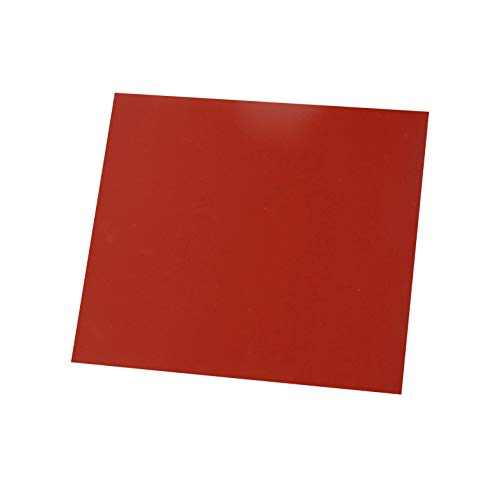 |
Soft silicone rubber sheet | ★★★★☆ | Check Price |
| 5 |  |
Heat resistance silicone rubber sheet | ★★★★☆ | Check Price |
| 6 |  |
Silicone Sponge Rubber Sheets | ★★★★☆ | Check Price |
| 7 |  |
Large Silicone Rubber Sheet | ★★★★☆ | Check Price |
| 8 | 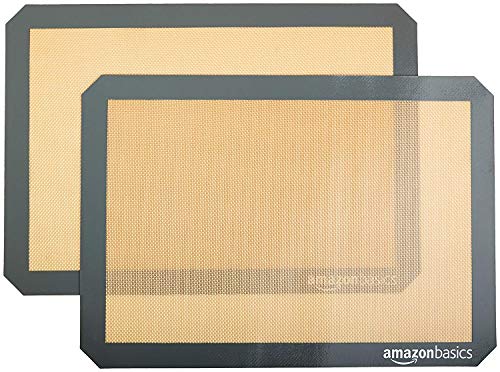 |
Non-stick, food safe silicone rubber sheet | ★★★★☆ | Check Price |
| 9 |  |
Thick Silicone Rubber Gasket Sheets | ★★★☆☆ | Check Price |
| 10 |  |
Silicone rubber sheets baking mats | ★★★☆☆ | Check Price |
What Sets Each Option Apart
Thickness, temperature rating, and intended use separate the top picks from the rest. Some sheets are thin enough for precision gasket work while others are thick enough to seal rough, warped flanges under bolt pressure.
A few are food-grade for baking, and one is an open-cell sponge that fills gaps solid sheets can’t reach. The reviews below call out exactly where each sheet fits and where it falls short.
1. Silicone Rubber Sheet Gaskets & Seals — Best Overall
Silicone rubber sheet Gaskets & Seals
A multipurpose silicone rubber sheet for cutting custom gaskets and seals to any shape your project needs.
Pros
- Cut-to-shape format fits any gasket template
- Handles temperatures from -60C to 320C
- 1.0mm thickness protects surfaces and edges
- Resistant to ozone, oxygen, and weathering
Cons
- Cutting your own gaskets requires sharp tools and patience
- Single thickness limits the gasket variety
The cut-to-shape format is what sets this sheet apart from pre-formed gaskets. You trace your old gasket onto the sheet, cut it out with a utility knife, and you have a replacement that fits exactly without waiting for a specialty part to ship.
Temperature tolerance from -60C to 320C covers everything from refrigeration seals to oven door gaskets. The 1.0mm thickness is thin enough to cut cleanly but thick enough to compress into a reliable seal under bolt pressure.
2. High Temperature Thin Silicone Rubber Sheet — Runner Up
High Temperature Thin Silicone Rubber Sheet
A thin silicone rubber sheet rated for high-temperature use, ideal for industrial gaskets and oven seals.
Pros
- Ultra-thin profile for precision gasket work
- High-temperature rated beyond standard silicone
- Resists ozone, weathering, and oxygen degradation
- Hardness around 50 Shore A for flexible sealing
Cons
- Thin profile is fragile under heavy compression
- Best for sealing flat surfaces only
This sheet runs about 50 Shore A hardness, which makes it flexible enough to conform to slight surface imperfections while still holding shape under bolt pressure. The thin profile is purpose-built for precision gasket work where thicker sheets would throw off tolerances.
Inorganic silicone formulation means fungus and mildew can’t take hold, which matters for seals in damp environments like marine equipment or outdoor electrical enclosures. It handles pharmaceutical and cosmetic manufacturing environments where contamination standards rule out organic rubbers.
3. High Transparent Silicone Rubber Sheet — Best Value
High Transparent Silicone Rubber Sheet
A high-clarity transparent silicone rubber sheet, useful when the seal or gasket needs to stay visible.
Pros
- Clear finish for visibility-sensitive projects
- 0.5mm thickness ideal for thin gaskets and shims
- Continuous use from -40C to 260C
- Tensile strength of 3.5 MPa for reliable seals
Cons
- Transparent silicone discolors over time
- Higher cost than colored alternatives
The transparent finish is the selling point here. You can see through the sheet to whatever surface it covers, which matters for projects where alignment, contact patches, or flow-rate monitoring need to stay visible.
At 0.5mm thick and 300 by 900mm per sheet, there is enough material to cut several small gaskets from a single purchase. The continuous-use temperature range of -40C to 260C handles everything from refrigeration units to hot-side engine compartments.
4. Soft Silicone Rubber Sheet
Soft silicone rubber sheet
A soft, low-durometer silicone rubber sheet that conforms to uneven surfaces for tight seals.
Pros
- 6 by 6 inch silicone gasket sheet
- 1/8 inch thickness at 60 Shore A hardness
- High-temperature resistance up to 392F
- UV and ozone resistant for outdoor use
Cons
- Soft material tears under sharp edges or burrs
- Not ideal for high-pressure applications
The 60 Shore A durometer is noticeably softer than the sheets ranked above it, which lets it conform to uneven mating surfaces that harder sheets would bridge over. The 1/8 inch thickness at 6 by 6 inches fits common gasket, washer, and cushioning templates without excess waste.
UV, ozone, and weather resistance make it a solid choice for outdoor electrical panels or automotive engine bays where cheaper rubbers crack within a season. Continuous-use temperature from -60C to 200C covers most workshop and kitchen applications.
5. Heat Resistance Silicone Rubber Sheet
Heat resistance silicone rubber sheet
A heat-resistant silicone rubber sheet built for prolonged exposure to high oven and engine temperatures.
Pros
- Built for prolonged high-temperature exposure
- Works for oven gaskets and engine bay seals
- Resists UV, ozone, and weathering
- Inorganic formulation prevents mildew growth
Cons
- Standard thickness only, no thin or thick variants
- Generic brand with limited support
This sheet is built for jobs where heat is the primary concern. Oven door gaskets, exhaust-side engine seals, and industrial equipment covers all fall within its temperature range where standard silicone would start to soften and lose compression.
The single-thickness format keeps things simple, but it does limit flexibility if your project needs a thinner or thicker gasket. Generic-brand sourcing means you are buying the material itself rather than a warranty or support infrastructure behind it.
6. Silicone Sponge Rubber Sheets
Silicone Sponge Rubber Sheets
Open-cell silicone sponge rubber sheets that compress to fill irregular gaps in seals and gaskets.
Pros
- Open-cell sponge compresses to fill uneven gaps
- Resistant to extreme temperatures
- Fine fabric finish for easy release from molds
- Excellent gasketing material for irregular surfaces
Cons
- Sponge cell structure can absorb liquids over time
- Less rigid than solid rubber for structural use
The open-cell sponge construction is what separates this sheet from every solid silicone option on the list. It compresses to fill irregular gaps that solid sheets would bridge over, making it the better choice for sealing against rough or warped mating surfaces.
Vibration dampening and sound insulation are added benefits that solid sheets can’t match. The trade-off is durability: sponge cells can absorb liquids over extended exposure, and the material lacks the structural rigidity needed for high-pressure bolted gasket joints.
7. Large Silicone Rubber Sheet
Large Silicone Rubber Sheet
An oversized silicone rubber sheet that gives you enough material to cut several gaskets or work mats from one piece.
Pros
- Oversized 15.7 by 11.7 inch panel for multiple projects
- Non-stick, non-skid, and heat-resistant surface
- Works as a craft mat for resin, epoxy, and paint
- Easy to clean with warm soapy water
Cons
- Large size is hard to store flat
- Overkill for small one-off projects
If you need to cut several gaskets from a single sheet, the oversized format saves money compared to buying multiple smaller sheets. The extra material also doubles as a full-size workbench mat for resin casting, epoxy work, painting, or soldering where spills need to peel off cleanly.
Storage is the main drawback. Rolling the sheet creates memory curl that takes time to flatten out, and finding shelf space for a large silicone panel is harder than tossing a 6-by-6-inch square into a drawer.
8. Non-stick, Food Safe Silicone Rubber Sheet
Non-stick, food safe silicone rubber sheet
A non-stick food-safe silicone rubber sheet certified for direct food contact in baking and food prep.
Pros
- FDA-compliant food-grade silicone
- Non-stick surface eliminates cooking sprays
- Oven safe up to 480 degrees Fahrenheit
- Reusable and dishwasher safe
Cons
- Food-grade certification adds to the cost
- Lower heat tolerance than industrial sheets
The food-grade certification is the reason to pick this sheet over cheaper industrial alternatives for kitchen use. It replaces parchment paper and cooking spray for baking cookies, pizza bread, salmon, and anything else that tends to stick to bare pans.
Cleanup is simple: soap, warm water, and air dry. The non-stick surface releases baked-on food without scrubbing, which saves time compared to scraping parchment residue off sheet pans after every use.
9. Thick Silicone Rubber Gasket Sheets
Thick Silicone Rubber Gasket Sheets
Thick silicone rubber gasket sheets built to handle high-pressure seals and heavy-duty industrial use.
Pros
- Thick stock handles high-pressure gasket joints
- Heat and electrical insulation in one material
- Resists weathering, ozone, and UV exposure
- Seals rough or uneven mating surfaces
Cons
- Thick stock is harder to cut with regular knives
- Heavier and bulkier than thin sheets
Thick silicone gasket sheets fill the gap that thinner options leave open on rough or warped mating surfaces. The extra material compresses under bolt load to seal joints that would leak with a 1mm sheet, and it also doubles as effective electrical insulation for circuit enclosures and control panels.
Cutting is the biggest downside. A standard utility knife struggles with thick silicone, so you will need a fresh blade or proper gasket-cutting tools to get clean edges.
10. Silicone Rubber Sheets Baking Mats
Silicone rubber sheets baking mats
Silicone rubber sheets cut into baking mat sizes, doubling as kitchen liners and pastry surfaces.
Pros
- Pre-cut 6 by 6 inch sheet ready for small projects
- 1/8 inch thickness at 60 Shore A hardness
- Handles temperatures from -40C to 200C
- UV and ozone resistant for outdoor use
Cons
- Pre-cut size limits use for non-baking projects
- Standard rather than reinforced edges
These baking-mat-sized sheets are purpose-cut for kitchen use rather than workshop gasket projects. They fit standard sheet pans, work as pastry rolling surfaces, and replace disposable parchment paper for everyday baking.
The pre-cut sizing is both the strength and the limitation. You get a ready-to-use mat straight out of the package, but the fixed dimensions mean you can’t repurpose the material for gasket cutting or industrial sealing the way you could with a larger raw sheet.
Frequently Asked Questions
What’s the difference between food-grade and industrial silicone rubber sheet?
Food-grade silicone passes FDA or LFGB standards for direct food contact, meaning its ingredients won’t migrate into whatever you’re cooking or storing. Industrial silicone is built for gaskets, vibration damping, and electrical insulation, and it often contains pigments or curing agents that aren’t safe to put near food.
For kitchen-safe silicone surfaces, silicone fondant mats are purpose-built for food contact.
What temperature can silicone rubber sheet handle?
Standard silicone sheet handles continuous temps from roughly minus 60°C up to about 230°C, which covers most gasket and kitchen applications. High-temperature formulations push to 300°C or higher, which is what you’d want for gasketing near exhaust systems or hot industrial equipment.
Can I cut silicone rubber sheet with scissors or a utility knife?
Thin sheets up to about 2mm cut cleanly with sharp scissors or a fresh utility blade, while thicker sheets up to 5mm work better with a rotary cutter on a cutting mat. Trace your pattern with a fine-tip marker before cutting, especially for gasket work where a clean edge is the difference between a tight seal and a slow leak.
A silicone cutting board underneath protects your countertop from blade marks during the process.
Is silicone rubber sheet resistant to oil, gasoline, and chemicals?
Silicone holds up well against UV, ozone, weathering, and most household cleaning chemicals, but it swells and degrades fast when exposed to petroleum oils, gasoline, strong acids, or solvents like acetone. For fuel or oil contact, you’ll want Viton or Buna-N rubber instead, since those are specifically built to handle hydrocarbon exposure that would ruin silicone within weeks.
Can silicone rubber sheet be used as a baking mat alternative?
Only if it’s explicitly food-grade and rated for oven temperatures, since general-purpose industrial sheet may contain pigments or curing agents that aren’t safe for food contact. Always check for an FDA or LFGB rating on the product listing before using any silicone sheet in the oven, because “silicone” alone doesn’t guarantee it’s safe to bake on.
For oven-safe baking surfaces, silicone placemats and dedicated baking mats are the safer choice.
How thick should a silicone rubber sheet be for DIY gasket making?
Smooth mating surfaces with evenly spaced bolts work fine with 1 to 2mm sheet, while rougher or warped flanges need 3 to 5mm to fill the gaps and seal properly. When in doubt, go thicker and let the bolt clamping force compress it down, because an overly thin gasket on an uneven surface will leak under pressure every time.
Final Thoughts
The Silicone Rubber Sheet Gaskets & Seals takes the top slot because the general-purpose grade fits most DIY gasket and seal-making projects. Standard thickness matches common cut-to-size templates without specialty tools.
The High Temperature Thin Silicone Rubber Sheet runner up is the right call when working with hot equipment, mufflers, or industrial applications. Higher heat tolerance handles temperatures that destroy general-purpose silicone within months.
The High Transparent Silicone Rubber Sheet is the value pick for projects where the silicone needs to be invisible like phone case linings or display protectors. Same general material at a clear finish for visibility-sensitive applications.
Cut silicone rubber sheets with sharp scissors or a fresh utility blade rather than dull tools. Clean edges produce better gasket seals than ragged ones since the sealing surface needs to be flat for full contact under compression.
For craft projects requiring custom molds from sheet material, silicone molding putty offers a faster path to detailed shapes.