 roundup
 10 Silicone Phone Cases for Grip, Drop Protection, and Style
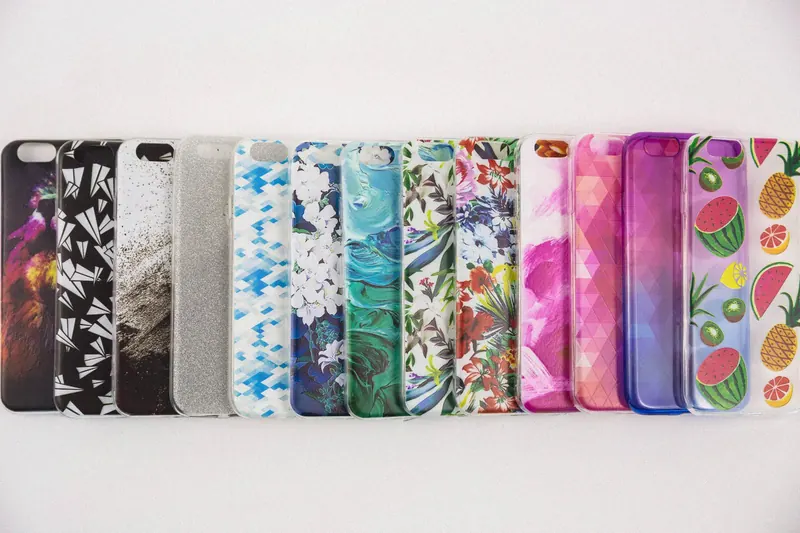
We tested 10 silicone phone cases for iPhone 15 through 17 and Galaxy S24. See which ones nail MagSafe hold, grip texture, and camera drop protection.

Silicone rings, watches, jewelry, and phone cases reviewed and compared.

We may earn a small commission through links on this page, at no extra cost to you. As an Amazon Associate, we earn from qualifying purchases. Ratings reflect our own editorial evaluation.
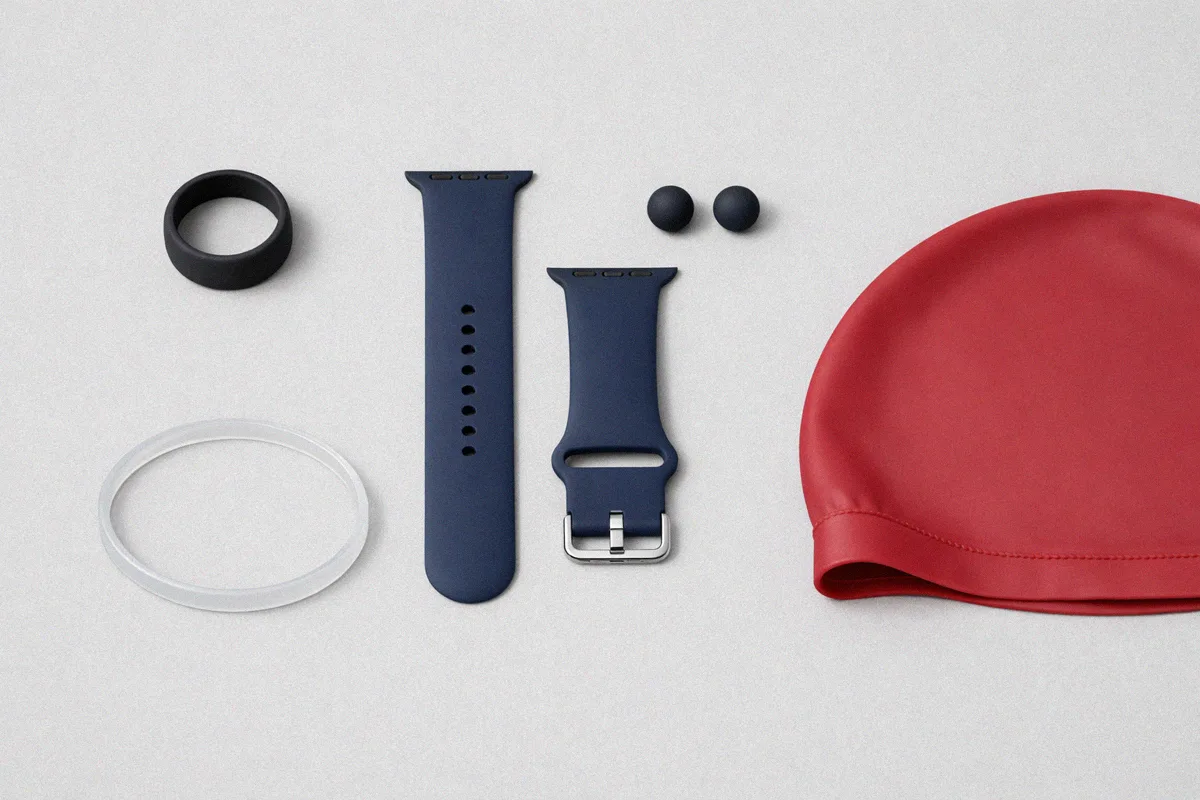
Silicone wearables are body-worn accessories made from food or medical-grade silicone. Think rings, watch bands, bracelets, earrings, swim caps. They move with you, brush off sweat and water, and sit softly against skin, which is why most people find them a lot easier to live with than metal, rubber, or plastic for everyday active wear.
The category took off once fitness trackers put soft straps on millions of wrists, and now it covers everything from gym-safe wedding bands to FDA-cleared medical sensors. Below, I'll walk through the eight product families you'll actually encounter, the certifications that matter, and the warning signs that separate real silicone from cheap filler-loaded knockoffs.
Silicone wearables are skin-contact products made from polydimethylsiloxane, or PDMS, the same synthetic polymer you'll find in medical implants and baby pacifiers. The good stuff uses platinum-cured silicone, which is a cleaner process than peroxide curing and doesn't leave chemical byproducts sitting against your skin.
The FDA regulates food-contact silicone under Title 21 CFR 177.2600, and anything billed as medical-grade has to clear ISO 10993 biocompatibility testing on top of that. Honest brands will tell you which standard they meet right on the product page. If you have to dig for it, that's usually a clue.
Eight main categories: rings, watches and watch bands, bracelets, jewelry, swim caps, athletic grippers, shapewear, and medical sensors. Every one of them exists because metal, fabric, or plastic was falling short on comfort, safety, or skin reactions for somebody.
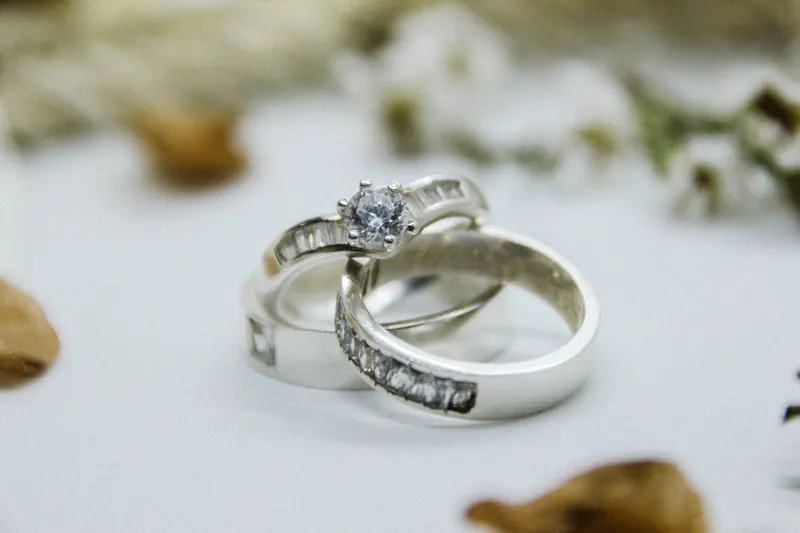
Silicone rings took off because electricians, nurses, and lifters can't safely wear metal on the job. They snap cleanly under enough force -- that's what saves a finger from a degloving injury when a band catches on equipment. The aesthetics have improved a lot, too: camo, rose gold, brushed metallic, and color-blocked stackable styles that look nothing like the rubber bands from ten years ago.
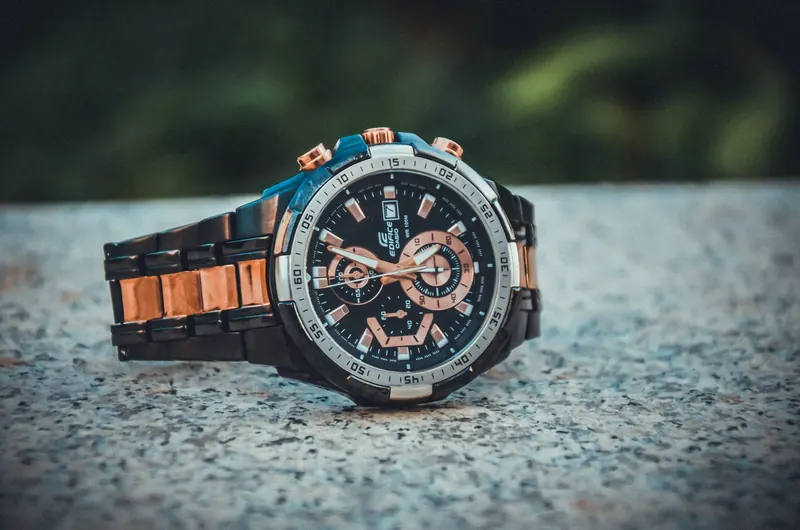
Silicone dominates the smartwatch strap market because it shrugs off sweat, pool water, and shower steam without complaint. A good silicone watch band swaps in seconds with quick-release pins, and the nicer Apple and Garmin bands use a premium fluoroelastomer that won't break down from sunscreen or body oils the way cheap silicone does.
Cause wristbands, medical ID bands, and even research-grade chemical sampling bracelets all lean on the same stretchy, skin-safe stuff. Debossed printing is the move if you want your logo to survive. Screen-printed text on a wristband is gone in a few months of wash cycles.
If you've ever had a pair of cheap studs turn your earlobes red, you already know why silicone earrings exist. They're a hypoallergenic fix for nickel reactions, and silicone necklaces originally took off as safe teething jewelry for nursing moms who needed something a baby could chew on. The fast-growing niche right now is silicone ear gauges for stretched-lobe wearers who want flexible plugs instead of heavy metal.
Silicone pushed latex out of competitive swimming because it stretches further, fits better, and doesn't trigger allergies. Goggles use silicone gaskets for the same reasons: gentle pressure against the eye socket, and no embarrassing red rings around your eyes after a set.
The thin silicone grippers along the inside of running shorts, cycling bibs, and compression sleeves are what keep the fabric from creeping up your thigh mid-workout. Printing the silicone straight onto the fabric gives you a non-slip band that doesn't add any real bulk or weight.
Silicone padded underwear, hip briefs, and bra inserts hold their shape year after year, feel warmer against skin than foam, and distribute pressure in a way that mimics real tissue. On the medical side, compression garments use silicone sheets to flatten hypertrophic scars and keloids over months of daily wear.
Continuous glucose monitors, heart-rate patches, and hospital ID bands all rely on skin-safe silicone to stay adhered for days without destroying the skin underneath. DuPont's Liveo line supplies the films, adhesives, and elastomer layers behind dozens of FDA-cleared monitors. CPAP mask cushions use a softer silicone gel to keep pressure off the bridge of the nose -- otherwise you wake up with sores.
Silicone works well against skin because it's biocompatible, hypoallergenic, and completely latex-free -- which is why doctors recommend it for eczema patients, kids, and anyone who reacts to nickel. It stretches and rebounds without losing shape, handles temps from -65 to 450 degrees Fahrenheit, and weighs exactly the same whether it's dry or soaking wet.
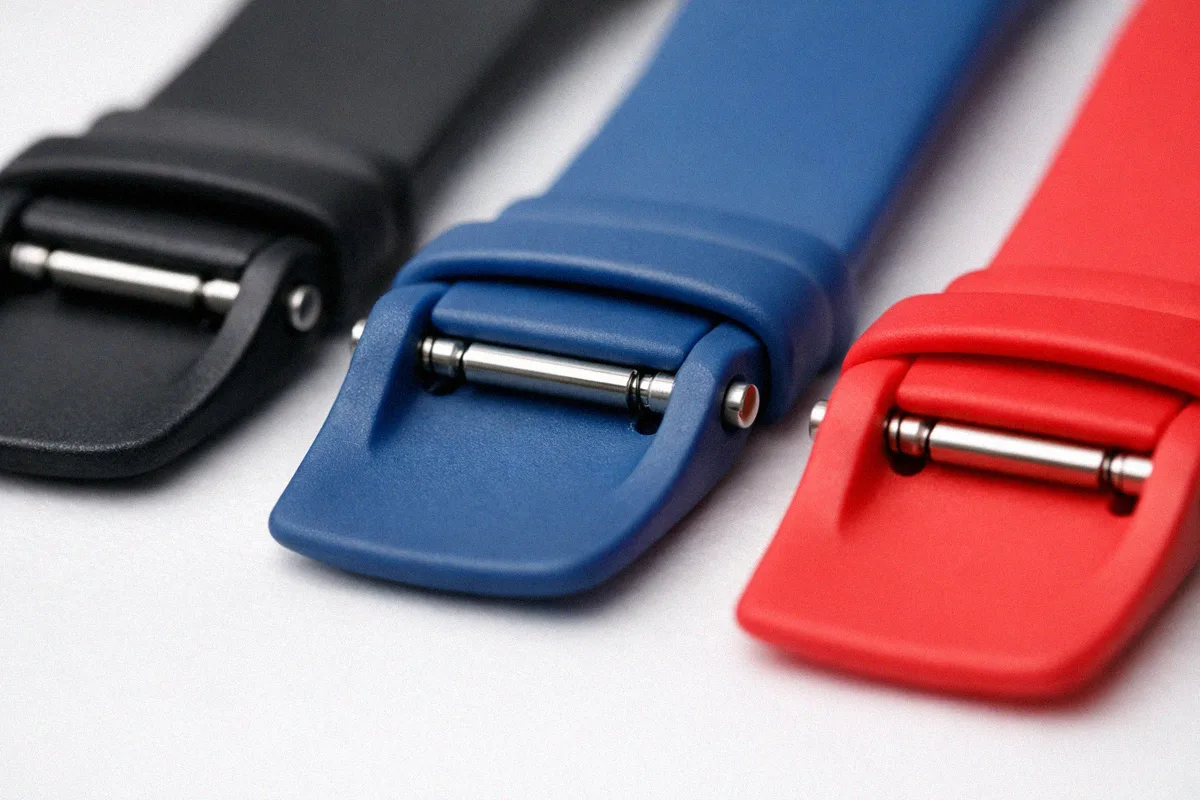
Natural rubber oxidizes, hardens, and yellows over time. Silicone doesn't do any of that. A ring or watch band feels the same after two years of daily wear as it did out of the box. That stability is also why medical implants and pacifiers have used the same silicone formula for decades without needing to change it.
Three red flags: missing certifications, a weird chemical smell, and filler that goes chalky the moment you twist it.
The certifications that actually matter are LFGB, FDA 21 CFR 177.2600, and ISO 10993. Platinum-cured silicone runs a bit more than peroxide-cured, but it skips the trace byproducts -- and that's a trade worth making for anything touching broken skin, ears, or a kid's mouth.
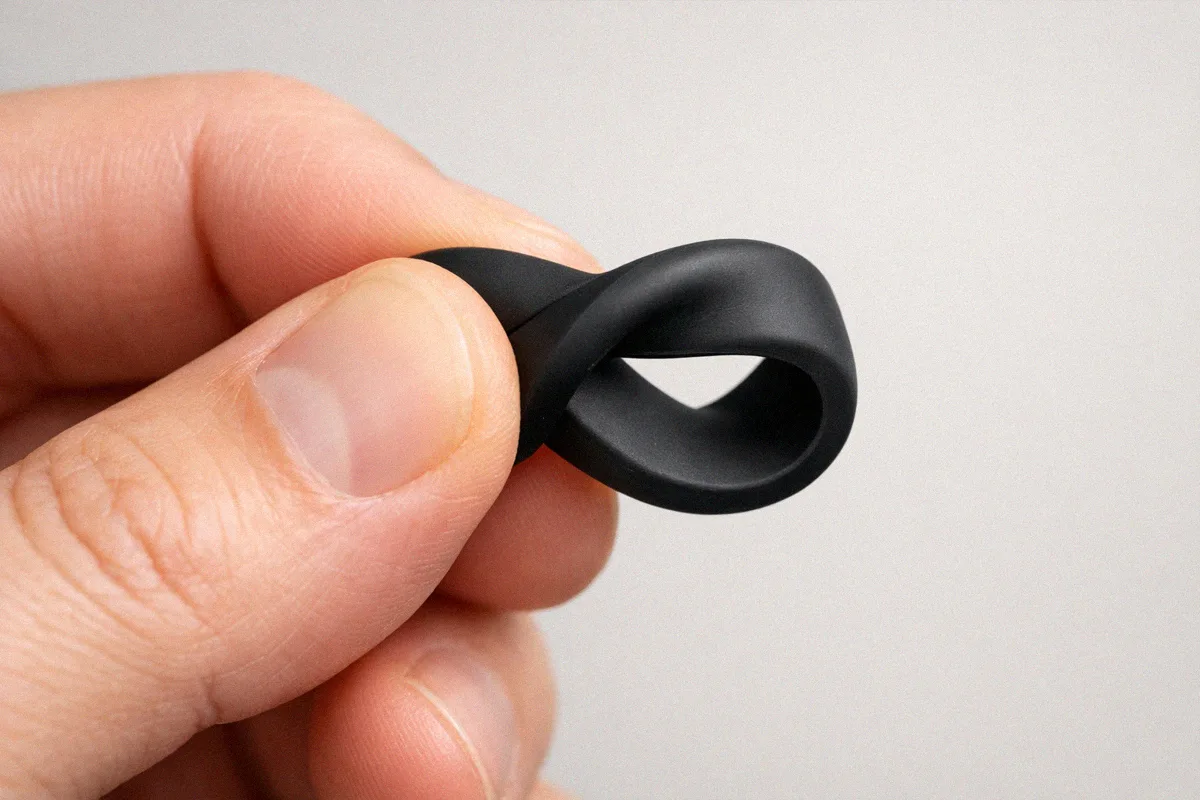
Try the pinch-and-twist test before you commit. Grab the piece, twist it hard, and watch the stress points. If the material flashes white or chalky, it's loaded with filler, and that filler has no business sitting on your skin. Bubbles in transparent pieces, rough mold seams, and any kind of solvent smell are all reasons to put the thing back down.
After a quick wash and rinse, real silicone shouldn't smell like anything. If there's still a chemical note hanging around days later, the curing agents never fully burned off -- and the piece will probably keep off-gassing on your skin.
For comfort, sweat, and allergy safety, silicone wins. Metal still owns dressy occasions, and leather holds its ground in the premium watch world because nothing else ages quite like a worn-in strap on a mechanical piece.
| Material | Skin Feel | Water Resistance | Typical Lifespan | Allergen Risk | Best Use Case |
|---|---|---|---|---|---|
| Silicone | Soft, flexible, warm | Excellent | 1 to 5 years | Very low | Active wear, sensitive skin |
| Natural rubber / latex | Soft but tacky | Good | Months to 1 year | High (latex allergy) | Low-cost disposable bands |
| Leather | Premium, stiff | Poor | Years if kept dry | Low (dye related) | Dress watches, belts |
| Stainless steel | Cold, heavy | Excellent | Lifetime | Medium (nickel) | Formal occasions |
| TPU plastic | Firm, rigid | Good | 1 to 2 years | Low | Budget fitness bands |
| Nylon fabric | Breathable, dry | Poor when soaked | 1 to 3 years | Low | Casual everyday use |
It comes down to five things: what certification it carries, how it was cured, how the finish actually looks up close, whether it fits properly, and whether the brand has any real track record.
Dish soap and warm water handle routine cleaning. For anything stubborn, soak it in warm water with a splash of white vinegar for ten minutes -- that'll lift body oils, sunscreen residue, and pool chlorine without affecting the material. Stay away from bleach, acetone, and alcohol cleaners. Perfume and petroleum-based products will discolor silicone, so keep those separate.
Yes. Medical and food-grade silicone is biocompatible and fine for continuous skin contact, including wearing it overnight.
They really do. A good silicone ring tears cleanly somewhere around 20 to 30 pounds of pulling force, which is exactly what saves a finger from degloving when the band snags on machinery, a weight plate, or a ladder rung.
Silicone is fully waterproof and closed-cell, so your straps won't absorb anything in the pool, the ocean, or the shower.
Plan on one to five years of daily use. The spread depends on how thick the piece is, how much sun it sees, and how often you stretch or yank it.
Go for it. Boil small pieces like rings for three to five minutes, wipe down bigger items with diluted vinegar, or toss them on the top rack of the dishwasher.
Silicone wearables flex, breathe, and handle sweat and water without flinching -- and they treat sensitive skin with the same gentleness as medical implants. Buy on certification and platinum curing rather than flashy branding, and you'll get years of comfortable daily wear without much effort on your part.
 roundup
 We tested 10 silicone phone cases for iPhone 15 through 17 and Galaxy S24. See which ones nail MagSafe hold, grip texture, and camera drop protection.
 roundup
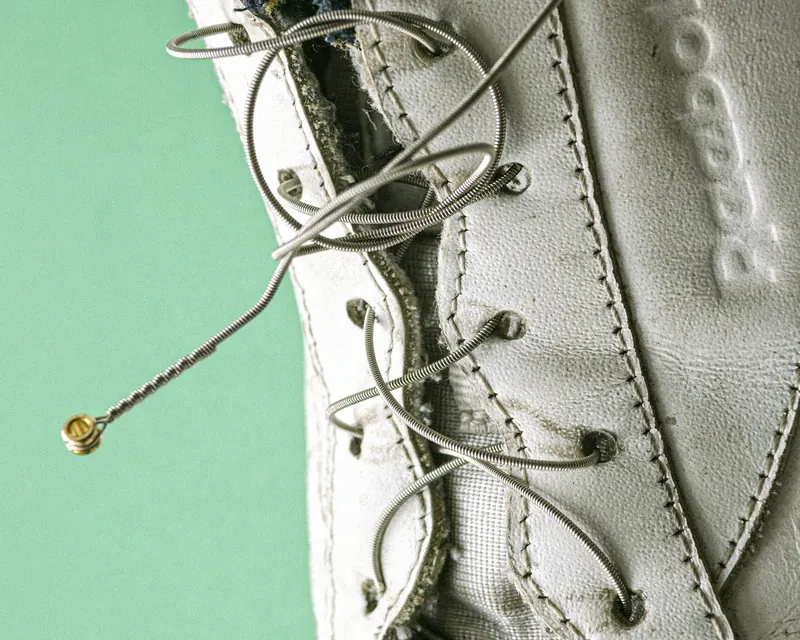
 Silicone shoe laces turn any sneaker into a slip-on with zero tying. We ranked 10 no-tie picks for runners, kids, and anyone tired of bending down.
 roundup
 Silicone molds for casting resin earrings, pendants, and rings with or without built-in holes. We compared 10 top picks by cavity count and detail.
 roundup
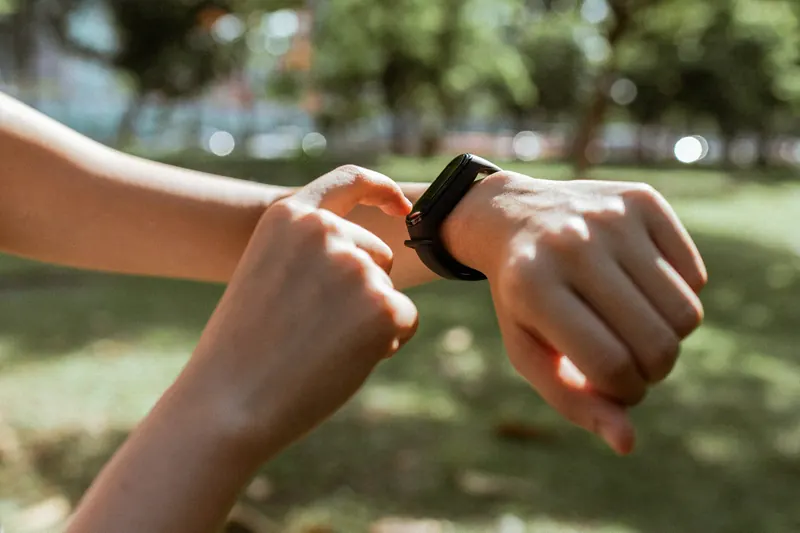
 Silicone sports watches handle sweat, rain, and pool water without skipping a beat. We ranked 10 durable picks for runners, lifters, and swimmers.
 roundup
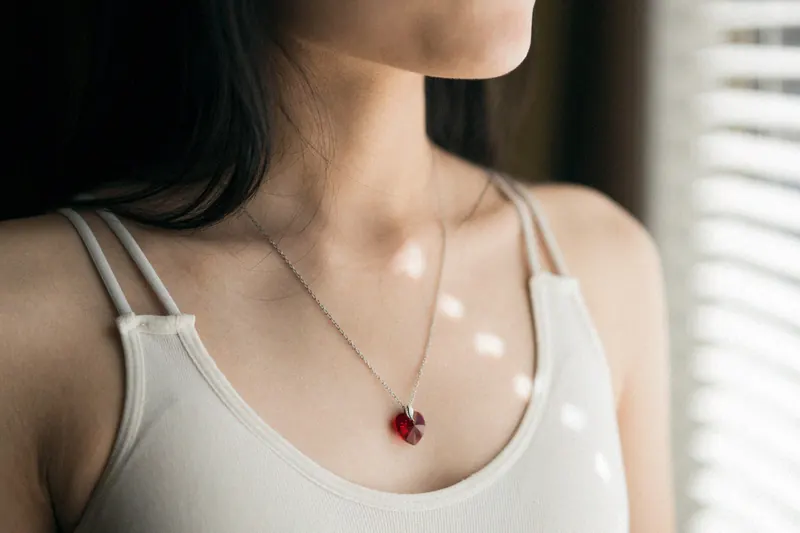
 Silicone necklace cords are soft, skin-safe, and hold pendants all day without kinks or tarnish. We ranked 10 picks for strength, feel, and clasps.
 roundup
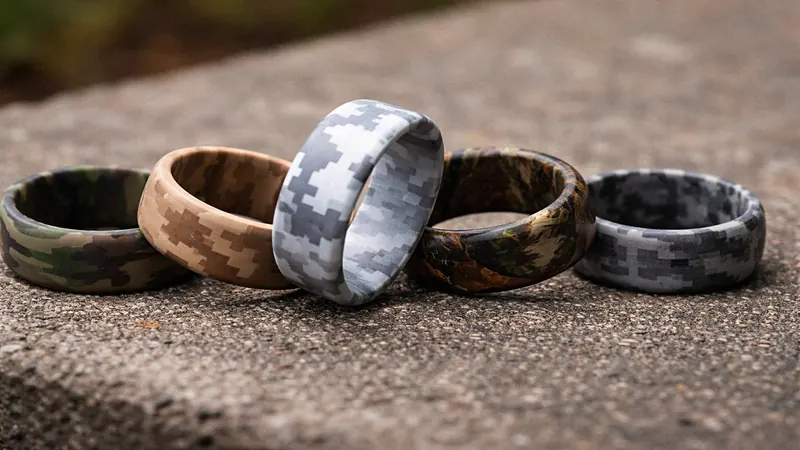
 10 camo silicone rings ranked for outdoor grip, comfort, and breakaway safety. Ideal for hunting, gym, and tactical use without risking a metal band.
 roundup
 Silicone lanyards are waterproof, wipe clean in seconds, and never fray like fabric. We tested the 10 best for badges, keys, and phone carry.
 roundup
 Silicone stackable rings let you mix colors and widths for any look. We compared 10 sets for comfort, durability, and style options for daily wear.
 roundup
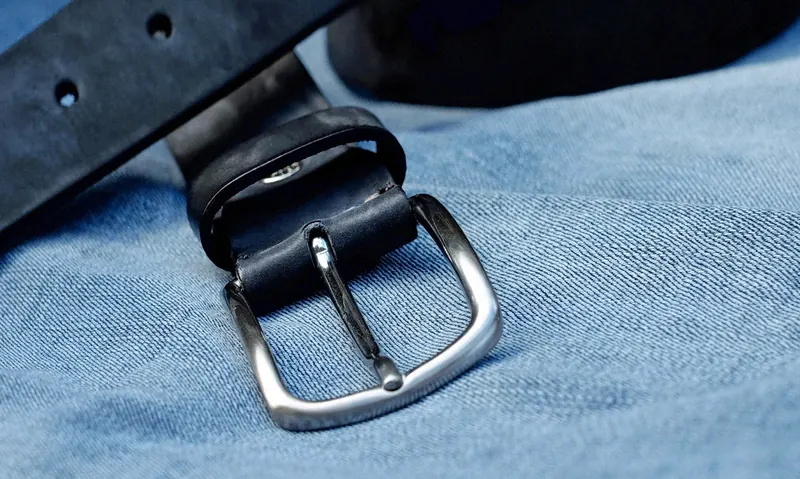
 10 silicone belts ranked for flex, grip, and style. Waterproof, sweat-proof alternatives to leather that pass through metal detectors without a beep.
 roundup
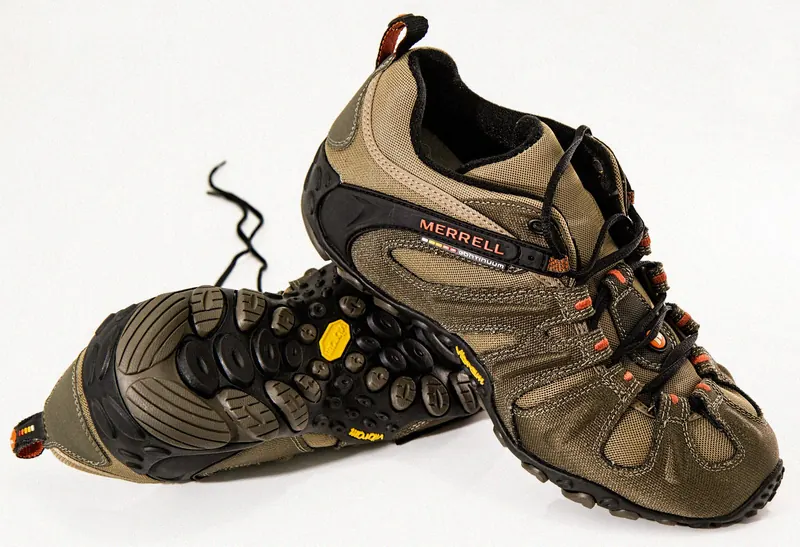
 Silicone non-slip shoe grips add instant traction on ice, snow, and wet surfaces. We tested 10 top ice cleats for winter walking and hiking safety.
 roundup
 Silicone shoe covers keep your sneakers bone dry in rain and mud without the bulk of boots. We ranked 10 waterproof, reusable picks with grip testing.
 roundup
 Silicone luggage tags survive rough baggage handling and make your bag easy to spot. We ranked 10 durable picks by visibility, strap strength, and style.