 roundup
 10 Silicone Ashtrays That Won't Break, Burn, or Stink
Heat-resistant silicone ashtrays for cigars, cars, patios, and balcony use. Unbreakable, non-slip, and dishwasher safe picks ranked for 2026.

Silicone household, auto, baby, and DIY products reviewed and compared.

We may earn a small commission through links on this page, at no extra cost to you. As an Amazon Associate, we earn from qualifying purchases. Ratings reflect our own editorial evaluation.
Silicone has worked its way into nearly every room at this point. Nursery feeding gear, pet bowls, garage hose fittings, craft molds -- there's a silicone version of just about everything, and most of it handles heat, chemicals, and daily wear that would wreck plastic or rubber in months.
A lot of this shift started when the research on microplastic contamination and chemical leaching from everyday plastics got hard to ignore. Once families caught wind of that, materials with cleaner safety profiles and longer lifespans became a pretty easy choice.
This guide runs through every major category of silicone home product you're likely to encounter. I'll cover which ones genuinely earn their premium over conventional alternatives, how to tell real silicone from filler-loaded fakes before you hand over your money, and what it takes to keep everything working for years.
Whether you're replacing cracked plastic baby gear, upgrading your garage, or just sick of buying new scrub brushes every few months -- seeing how silicone performs outside the kitchen tends to reshape the way you shop for household basics.
Quick version: silicone handles -40 to 600 degrees Fahrenheit, laughs off UV and household chemicals, and typically lasts 5 to 15 years. Most household plastics tap out in 1 to 3.
Chemically, it's a synthetic polymer -- silica, oxygen, carbon, and hydrogen linked into chains called polydimethylsiloxane (PDMS). That molecular structure is where the flexibility, heat tolerance, and chemical resistance come from. Petroleum plastics and natural rubber can't come close.
Standard household plastics start warping or off-gassing somewhere between 250 and 350 degrees. Natural rubber does even worse outdoors -- UV eats it alive, and the constant swing between hot and cold causes cracking within a couple of seasons.
Silicone holds its shape across that entire -40 to 600 degree range, depending on grade and curing method. UV, ozone, moisture, household chemicals -- none of it causes yellowing, cracking, or brittleness.
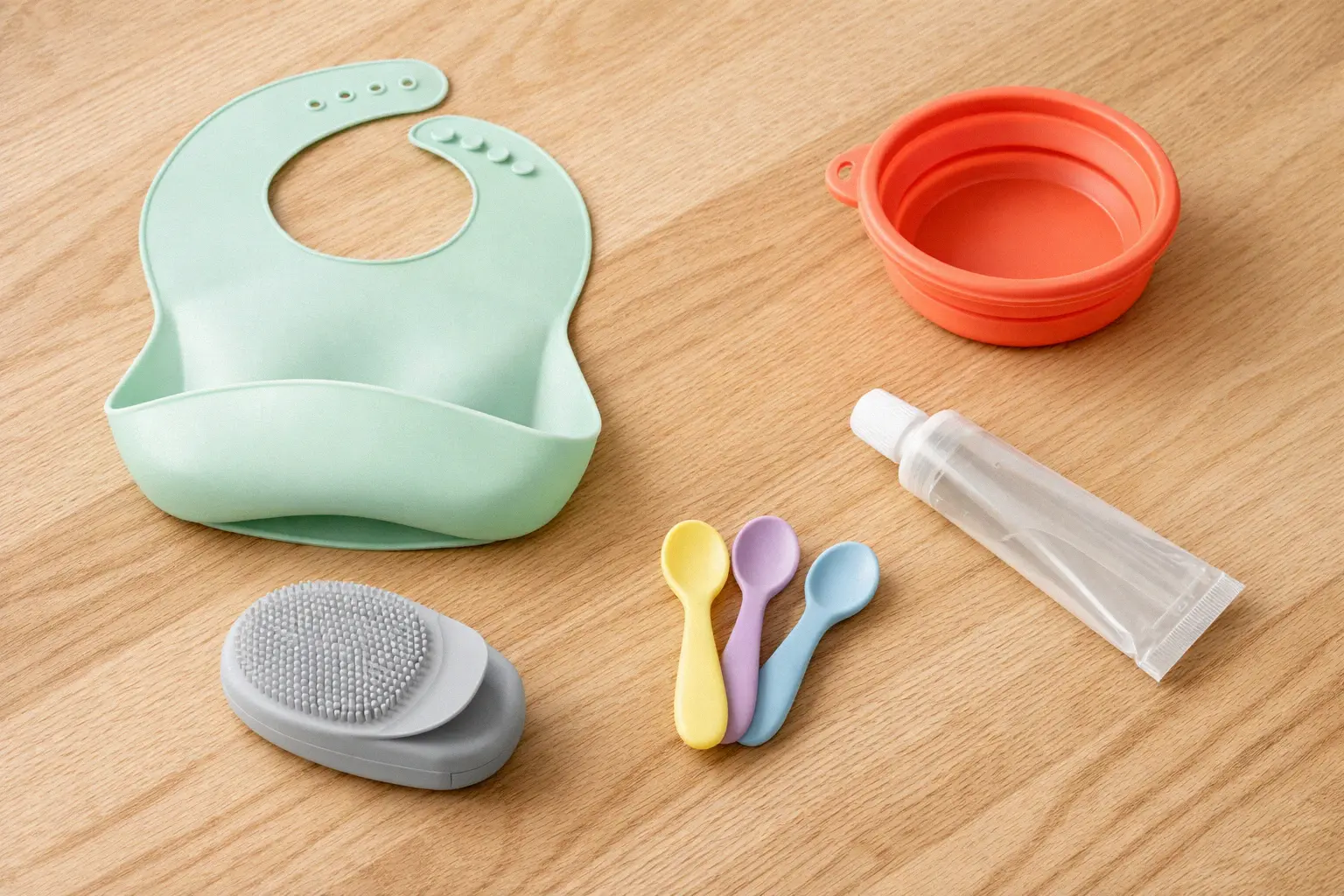
It's hypoallergenic and non-porous, too. Bacteria, mold, and mildew don't get the foothold they find in porous rubber or scuffed plastic, and that's a big deal for anything touching skin, food, or pets.
Here's how silicone stacks up against the two materials it usually replaces around the house:
| Property | Silicone | Plastic (PP/PE) | Natural Rubber |
|---|---|---|---|
| Temperature Range | -40°F to 600°F | -4°F to 250°F | -20°F to 180°F |
| UV Resistance | Excellent | Poor (yellows, cracks) | Poor (degrades) |
| Chemical Resistance | High | Moderate | Low |
| BPA/Phthalate-Free | Yes | Not always | Yes |
| Flexibility Retention | Decades | 1-3 years | 2-5 years |
| Odor Absorption | Minimal | High | Moderate |
| Mold/Bacteria Resistance | High (non-porous) | Low (scratches harbor growth) | Low (porous) |
| Typical Lifespan | 5-15 years | 1-3 years | 2-4 years |
| Microplastic Shedding | Under study (minimal) | Confirmed | N/A (natural fibers) |
| Recyclability | Specialty recyclers | Curbside (limited types) | Limited |
The honest trade-off: silicone costs more up front. A silicone dog bowl typically runs two to three times the price of a polypropylene one.
That price gap shrinks fast once you count replacements. In most household uses, one silicone product outlasts three to five plastic equivalents before it gives out.
The environmental math tips silicone's way too, even though most curbside recycling programs don't accept it yet. Every silicone piece you buy keeps a stack of plastic replacements out of the landfill.
Baby gear is one of the fastest-growing silicone categories, and it's obvious why once you talk to parents who've switched. BPA-free safety, dead-simple sterilization, and the fact that a good silicone bib or plate usually lasts through the entire toddler phase without needing a replacement.
Anything touching infant food or mouths falls under both the U.S. Consumer Product Safety Commission (CPSC) and the FDA. Food-grade and medical-grade silicone pass the strictest standards at both agencies -- the same material ends up in hospital pacifiers, bottle nipples, and neonatal tubing.
Silicone baby feeders are the easiest way to start solids without worrying about choking. A mesh or perforated silicone pouch holds the food, and as the baby gums and chews, the soft pouch releases little amounts of fruit, veg, or frozen breast milk at a pace they can actually handle.
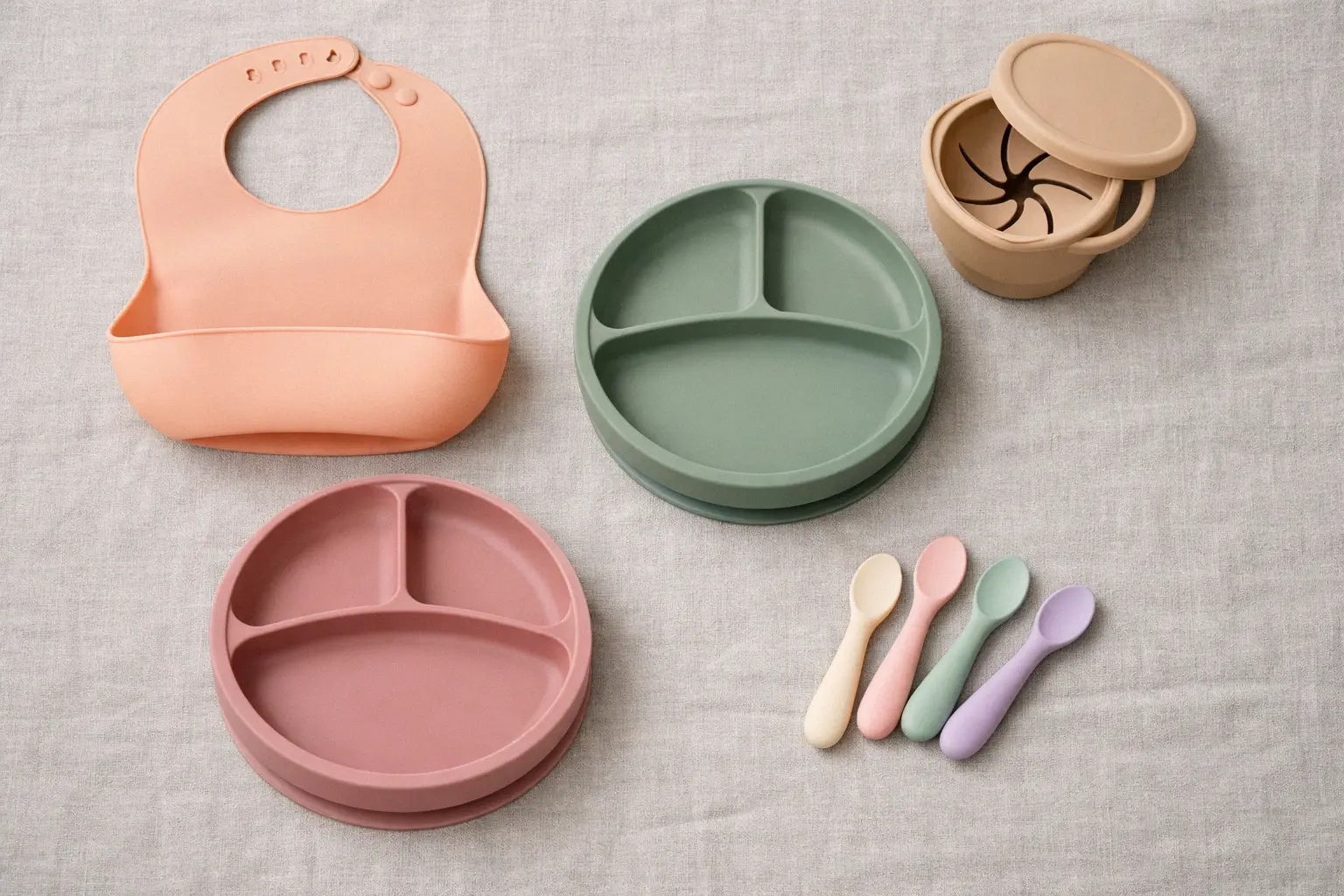
Silicone bibs with a built-in food catcher have pretty much replaced fabric bibs in a lot of homes. They rinse clean in seconds, laugh off pureed carrots and beets, and roll flat for the diaper bag without creasing.
Silicone suction plates and divided toddler trays lock onto the highchair and kill the toss-the-plate game every parent knows too well. The suction base holds through a serious toddler tug, but an adult can still pop the plate off cleanly by lifting from the edge.
Silicone teething rings give a firm-but-yielding chew that soothes sore gums without the rock-hard feel of wooden teethers or the chemical question marks around plastic. A lot of them come molded with ridges and little bumps that massage gum tissue while the baby gnaws away.
Silicone pacifier clips hold pacifiers to clothing with a breakaway clasp to keep strangulation risk out of the picture. The beads on most of these clips double as teething surfaces, so there's always something safe to mouth if the pacifier drops.
Always check that baby silicone actually carries FDA food-grade or medical-grade certification in writing. Anything labeled just "silicone" with no paperwork can hide plastic fillers, and fillers wipe out the exact safety margin you're paying a premium for.
Give baby silicone items a once-over every month. You're looking for tears, deep bite marks, or thinning spots where little pieces could break free. The stuff is seriously tough, but months of teething pressure will eventually find a weak point on pacifiers and teething rings.
Silicone cleaning tools solve two persistent headaches: the bacterial funk that builds up in porous sponges, and plastic broom bristles that curl and split after a few months. The non-porous surface dries fast, never grows mildew, and keeps working for years.
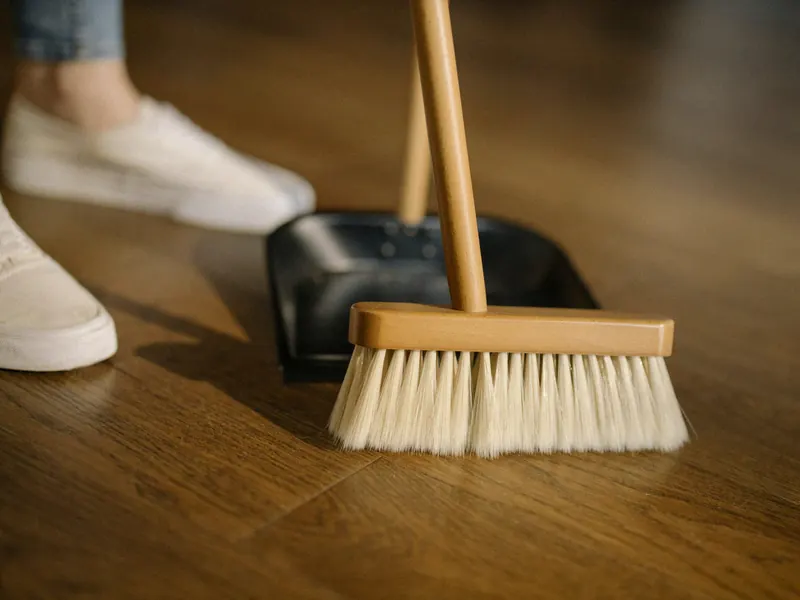
Silicone brooms sweep with flat, flexible bristles that build up a little static charge and actually grab dust, pet hair, and fine debris instead of pushing it around like a regular broom. The bristles rinse clean under the tap and don't flop sideways the way nylon or natural fibers do after a few months.
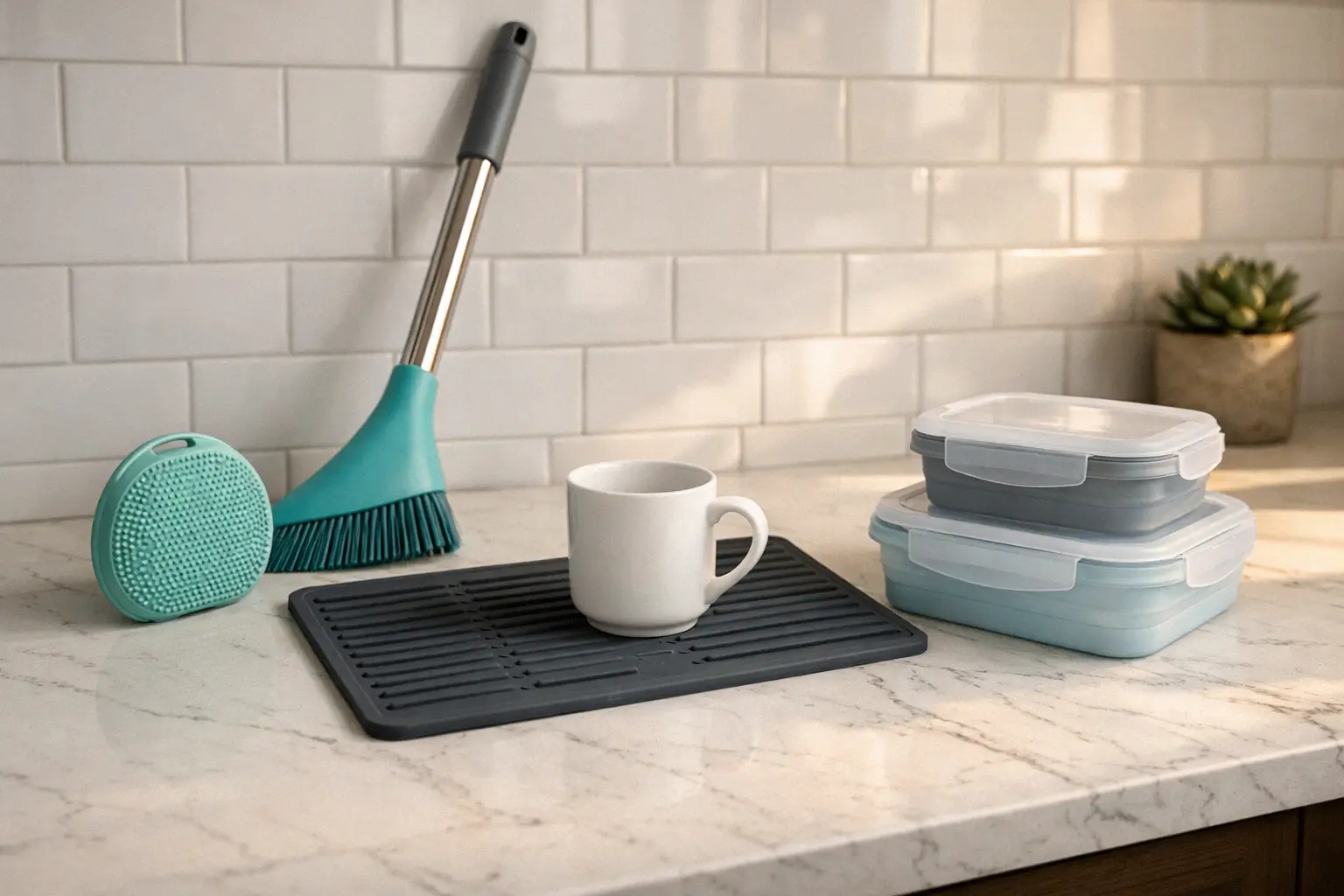
Silicone dish scrubbers and sponge replacements give you enough bite for countertops, sinks, and bathroom surfaces without scratching them up. Cellulose sponges go funky within days once bacteria move in. Silicone scrubbers stay smell-free between uses because the material doesn't hold water or organic gunk in the first place.
Collapsible silicone containers compress to a fraction of their full size when empty -- a minor miracle if your closets and cabinets are already stuffed. They hold their shape when expanded, then flatten with one hand when you need the shelf space back.
Silicone drawer liners and shelf mats grip the surface underneath without adhesive, so nothing slides around in kitchen drawers, bathroom vanities, or tool chests. You can cut them to size with regular scissors and peel them up clean whenever you rearrange.
Silicone floor mats under pet bowls, plant pots, or entryway boot trays catch spills and mud without soaking any of it up. One wipe and they're done, which beats tossing a fabric mat in the washer and waiting two days for it to dry.
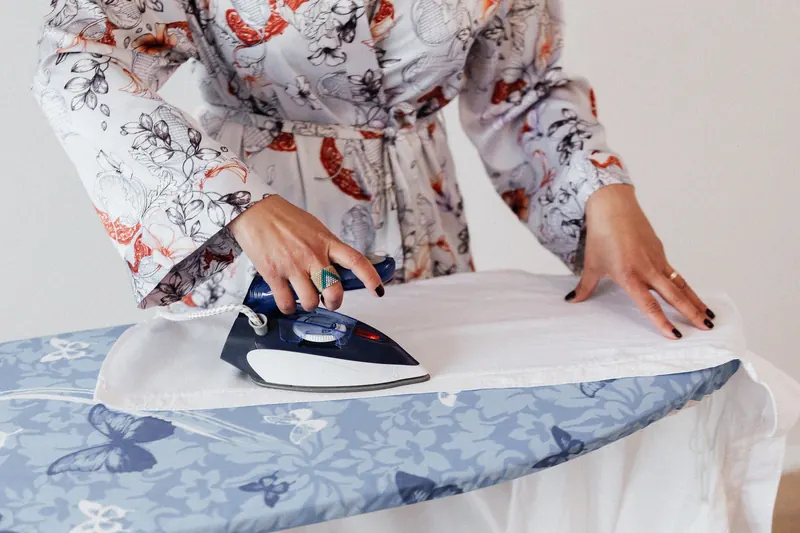
Silicone ironing board covers bounce heat back into the garment for faster pressing and keep moisture off the padding underneath. The surface grips fabric so clothes don't slide around mid-press, fixing the main annoyance with slippery cotton covers.
Silicone auto parts take engine heat up to 500 degrees, ignore coolant chemicals, and typically outlast factory rubber by two or three times. The performance aftermarket figured this out ages ago.
Consumer-facing silicone car accessories followed that lead, bringing the same toughness to the stuff drivers actually touch every day.
Silicone steering wheel covers give you a solid non-slip grip even when your hands are wet or sweaty. Leather wraps tend to crack and peel after baking in the sun through the windshield for a summer or two, but silicone keeps its texture and flex year-round no matter how hot or cold the parked cabin gets.
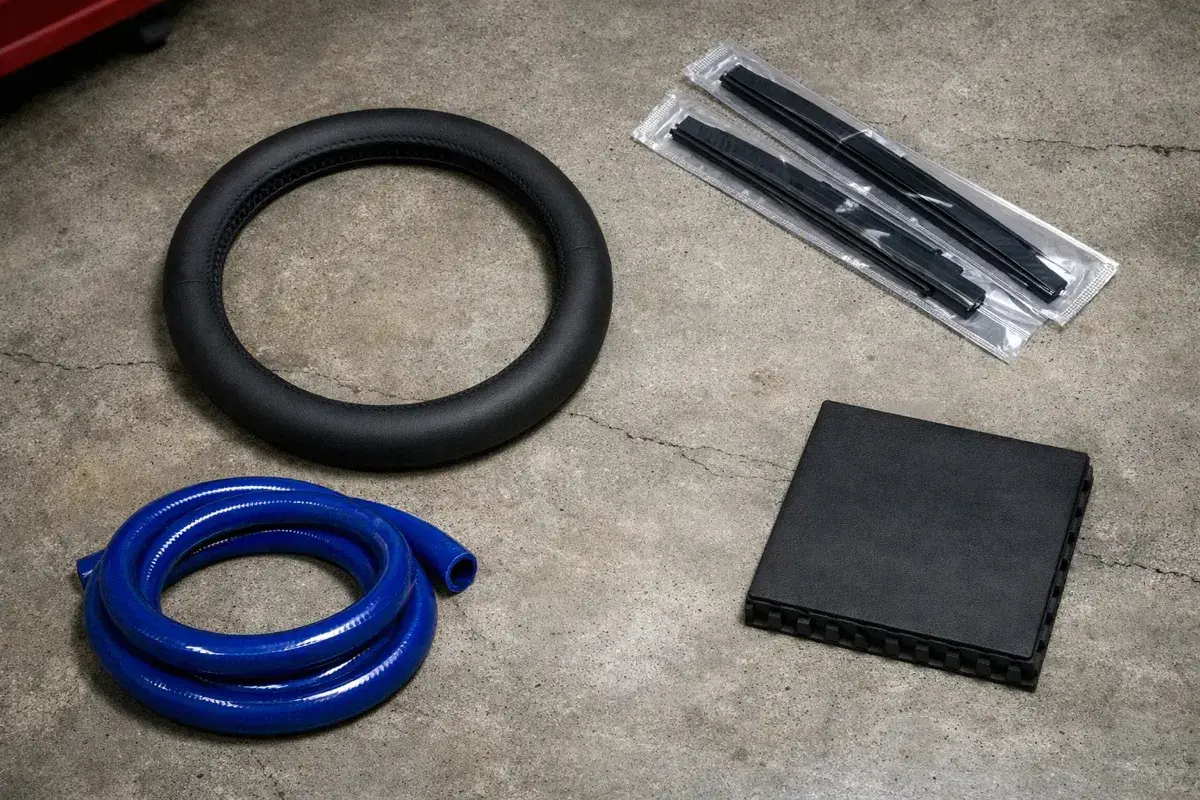
Silicone dashboard mats and phone holders rely on the material's natural grip to keep devices, sunglasses, and keys put on the dash, no adhesive strips or residue involved. They also survive the 140°F-plus cabin temperatures a parked car hits in summer, while cheap plastic equivalents warp and curl by August.
Silicone wiper blade refills stretch two to three times the lifespan of regular rubber blades. They also leave behind a thin hydrophobic film on the glass with every pass, so rain starts beading up and rolling off once you hit highway speeds.
That coating effect builds over the first couple of weeks and keeps topping itself up as long as the blades stay on the car.
Silicone vacuum hoses and heater hoses swap in for factory rubber lines in performance builds and older vehicles. They take the coolant chemicals, engine heat, and constant under-hood vibration without the cracking and swelling that eventually kills rubber hoses.
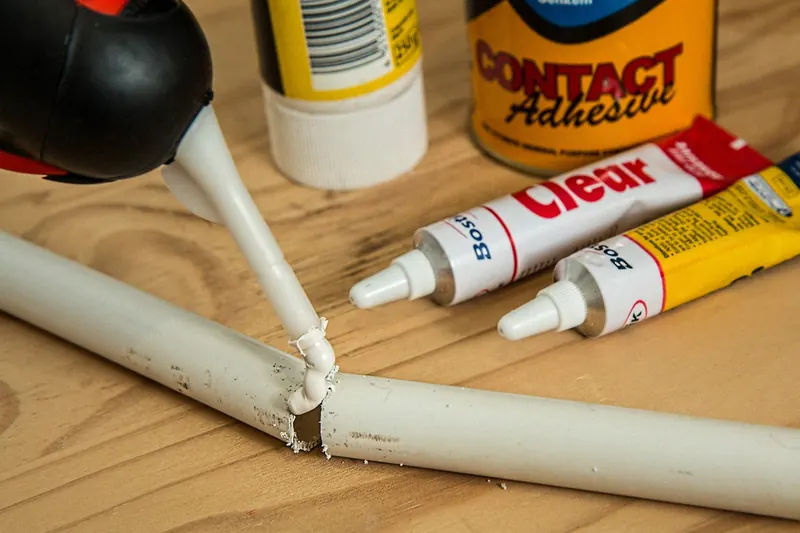
Silicone sealants and caulks form waterproof, flexible bonds for weatherstripping, window frames, and foundation cracks. Colored silicone caulk takes that a step further for visible spots where the usual clear or white bead would stand out against dark trim or a painted surface.
Anti-vibration silicone pads under compressors, generators, and shop machinery soak up the vibration that loosens mounting bolts and rattles noise through concrete floors. You get a quieter shop and less mechanical wear on the equipment mounts.
On the DIY and industrial side, silicone shows up as mold compounds, self-fusing tapes, heat-resistant mats, and roof coatings. Each application leans on the same core strengths: capturing fine detail, sticking to surfaces that don't usually cooperate, and surviving repeated heat cycling without degrading.
Two-part silicone mold compounds let you build your own reusable molds for resin, concrete, plaster, soap, or chocolate in whatever shape you need. Cured silicone picks up detail sharp enough to show fingerprint ridges, and castings usually pop out without any mold release.
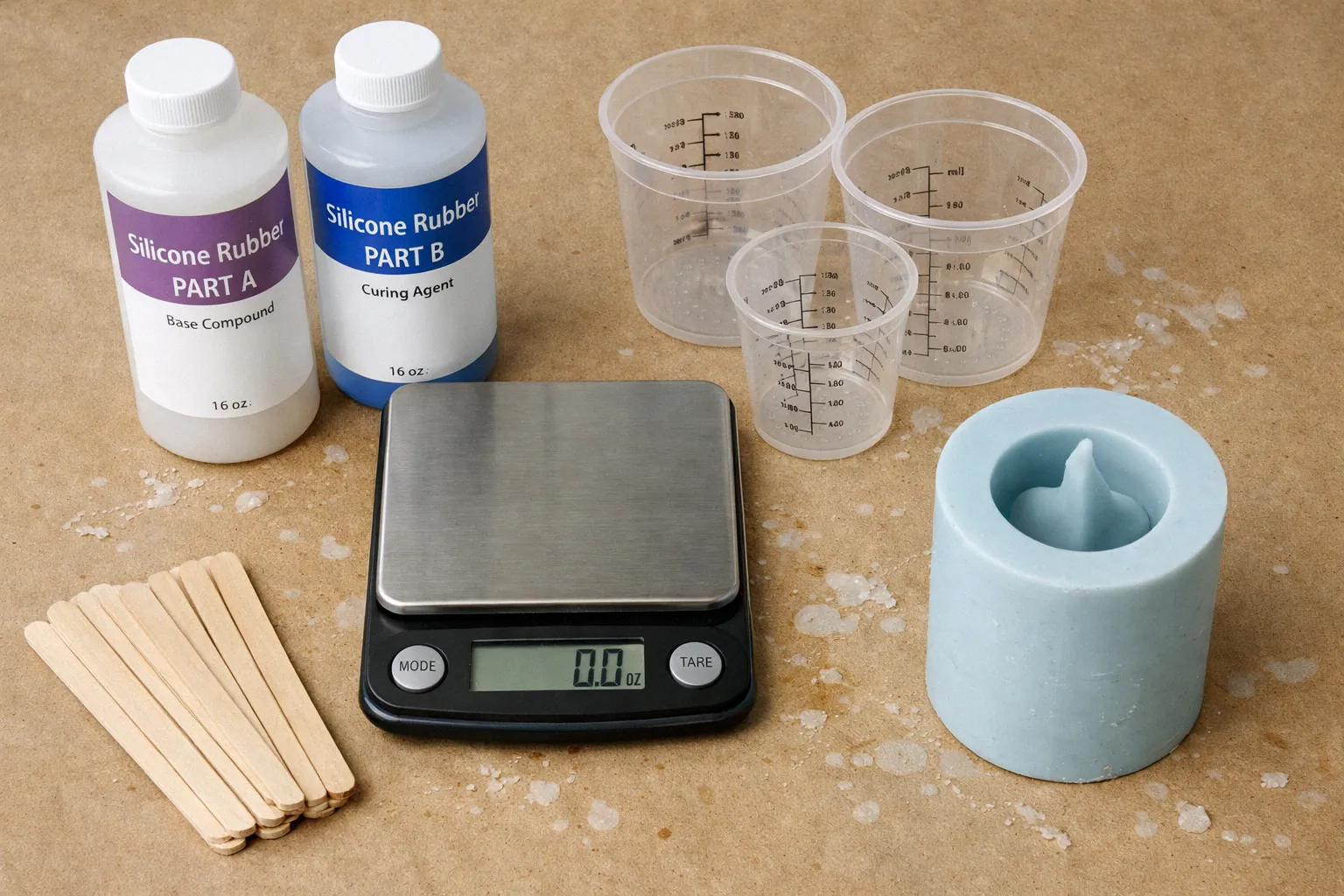
Silicone molds shrug off the exothermic heat that resin kicks out while it cures, and they handle candle-wax pouring temperatures without breaking down. A decent silicone mold will take hundreds of pours before it starts to show wear, so the up-front cost works itself out in a hurry.
Silicone adhesive tapes stick to themselves (not to anything else) through a process called self-fusing. Wrap them around a pipe joint, electrical connection, or hose fitting and you get a watertight, insulated band with zero sticky residue. The tape stretches to triple its original length as you wrap, then fuses into one solid piece.
Silicone roof coatings lay down a seamless, reflective layer over flat and low-slope roofs that holds up to ponding water, UV, and thermal cycling. One application usually buys you another 10 to 15 years of roof life and trims cooling bills thanks to the solar reflectivity.
Silicone workbench mats save your bench from soldering iron burns, glue spills, and chemical splashes during electronics work, model building, and craft projects. They're rated to around 500°F and wipe clean after contact with flux, epoxy, paint, or solvents.
Food-grade silicone tubing pulls double duty in home shops as transfer line for homebrewing, aquariums, and hydroponics. It handles hot or cold liquid without passing on any taste, leaching chemicals, or growing the nasty internal film that builds up inside vinyl and PVC tubing over time.
Pet owners who've switched to silicone are done dealing with scratched-up plastic bowls, chemical leaching questions, and toys that shatter after a week. Silicone pairs food-grade safety with the impact resistance that enthusiastic dogs and cats actually require.
Silicone dog bowls squish flat for travel and pop back to full size at mealtime. The non-porous surface doesn't collect the tiny scratches that build up on stainless steel and ceramic over years of use, so there are no microscopic grooves for bacteria to hide in between washes.
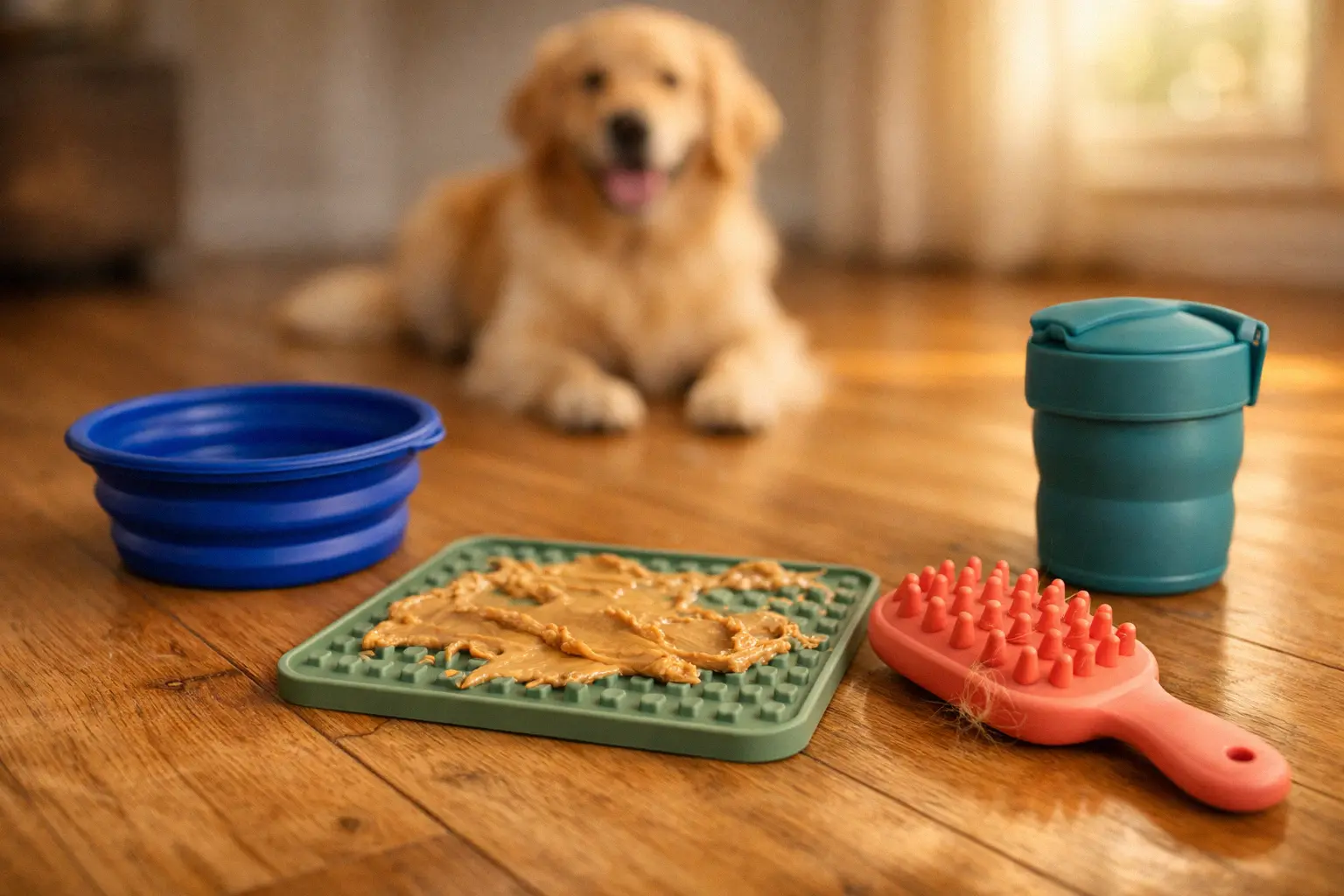
Silicone lick mats spread with peanut butter, yogurt, or wet food slow down dogs and cats that inhale their meals. The textured surface forces them to work for their food, stretching eating time from seconds to minutes and cutting the gulping that leads to bloat.
Silicone grooming brushes with flexible nubs remove loose fur during petting sessions without the pulling and snagging that wire slicker brushes cause. Cats that resist traditional brushing often accept silicone brushes because the soft nubs feel like being petted rather than groomed.
Silicone pet bath brushes work shampoo through thick coats while massaging the skin underneath. They rinse clean instantly and dry within minutes, preventing the mildew common with fabric and natural-bristle grooming tools.
Collapsible silicone water bottles with attached bowls give hikers and travelers one tool for keeping pets hydrated on the go. Just squeeze to dispense water into the bowl, then flatten the bottle when it's empty — takes up far less pack space than rigid plastic alternatives.
Silicone paw protectors shield dog pads from hot pavement, ice-melt chemicals, and rough terrain during walks. They stretch over paws like fitted socks and grip surfaces better than the hard-soled booties that many dogs resist wearing.
The difference between a silicone product that lasts a decade and a cheap imitation that quits in months boils down to three things: material purity, manufacturing process, and certifications you can actually verify.
Grip a flat section of the product firmly between your thumb and forefinger, then twist. Pure silicone keeps its uniform color under stress no matter how hard you twist.
If white discoloration shows up at the stress point, the product contains plastic fillers blended into the silicone compound to cut manufacturing costs.
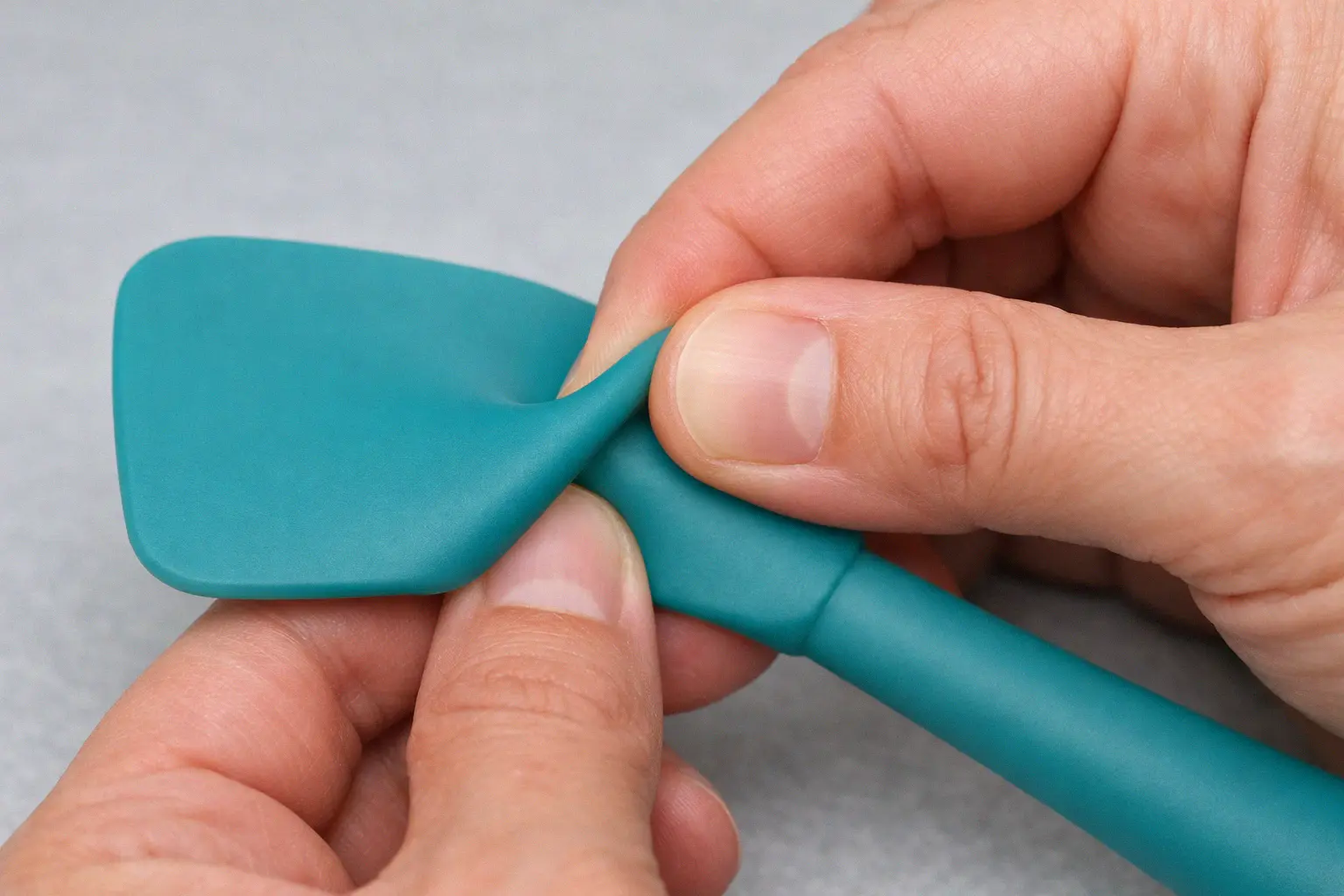
Products with fillers lose flexibility faster, can't handle heat as well, and may leach compounds that pure silicone wouldn't. Return anything that fails this test -- don't care what the label says.
FDA food-grade certification (CFR 177.2600) confirms a silicone product meets purity standards for direct food and skin contact. LFGB certification from Germany applies even stricter testing protocols and is considered the gold standard for silicone safety in European markets.
For baby products, look for CPSC compliance and ASTM F963 toy safety certification. For industrial and automotive applications, check for ASTM D2000 or SAE J200 ratings that specify the silicone's performance under sustained heat, pressure, and chemical exposure.
A strong chemical smell straight out of the packaging points to low-quality silicone or uncured residues from manufacturing. Premium platinum-cured silicone shouldn't smell like anything at room temperature.
Listings that say "silicone blend" or skip material composition entirely aren't worth the gamble. Reputable manufacturers post full material specs and certification logos on the packaging because they know transparency moves product.
Silicone needs less upkeep than just about any other household material. A handful of simple habits keep everything looking and working the way it should.
Warm water and regular dish soap cover routine cleaning for every silicone product in the house -- baby bibs, pet bowls, workbench mats, steering wheel covers, all of it. The non-porous surface lets go of food residue, dirt, and oils without much scrubbing.
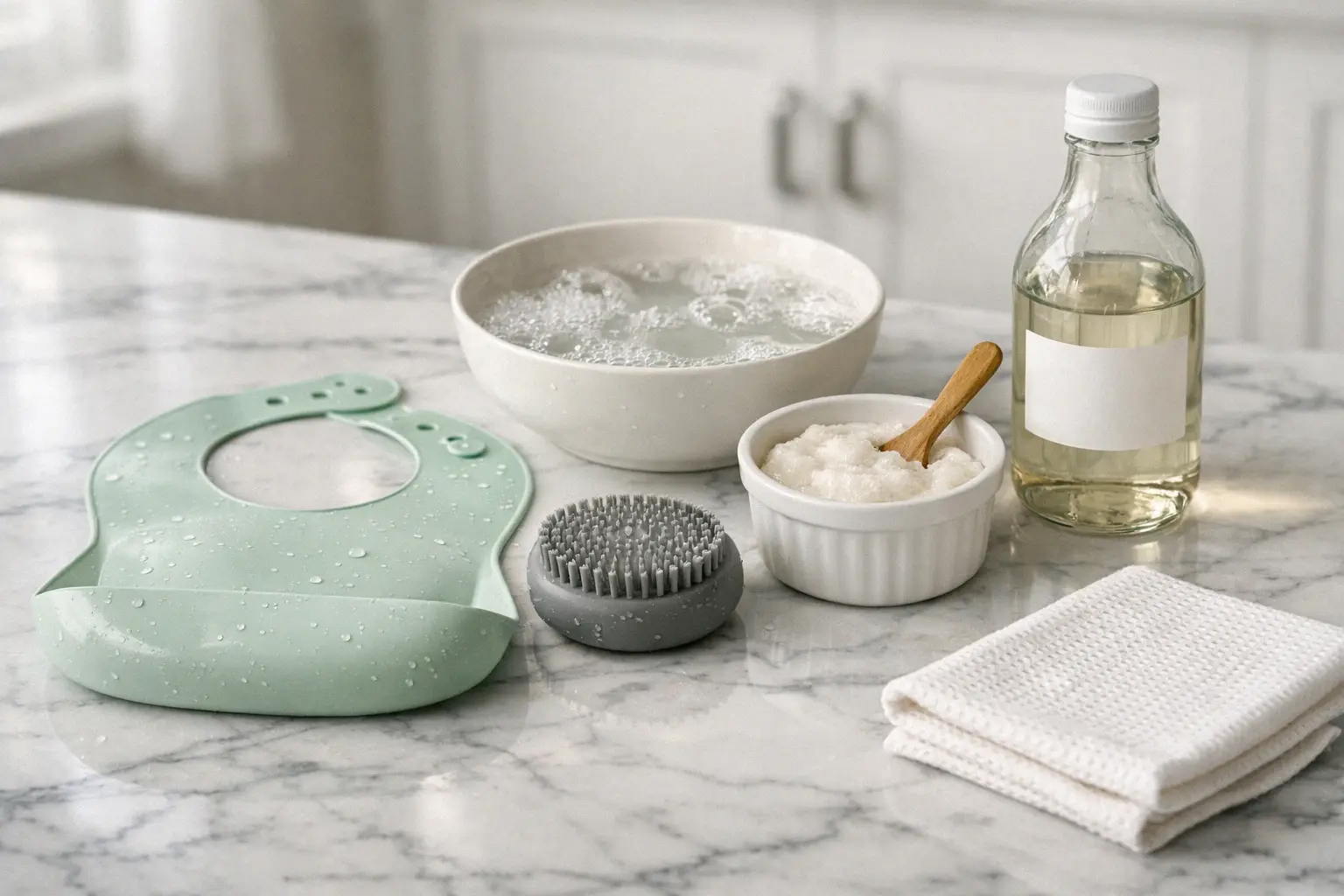
Most silicone products rated for food contact are dishwasher safe on the top rack. Auto accessories, industrial supplies, and pet grooming tools clean best by hand since they often carry grit or debris that could clog dishwasher filters.
Silicone can pick up strong odors from extended contact with pungent foods, pet treatments, or garage chemicals. A baking soda paste left on the surface for 60 minutes usually knocks those out without harming the material.
For the stubborn cases, boiling the item in water with two tablespoons of white vinegar for 10 minutes resets even deeply embedded smells. A couple hours of direct sunlight adds a natural deodorizing and mild bleaching effect for stained surfaces.
Light-colored silicone can absorb pigment from strongly colored foods like tomato sauce, turmeric, and berries, but these stains are cosmetic — they don't affect the material's safety or performance. A baking soda paste or direct sunlight for a few hours fades most stains completely.
Store silicone products flat or loosely rolled rather than tightly folded. Sustained compression at sharp fold lines can create permanent creases in thinner products like baking mats and floor protectors, even though the material will not crack or tear.
Keep silicone items away from sharp metal objects during storage. It handles punctures well, but a knife edge or exposed screw pressing against it for weeks will eventually create a weak point.
Yes — food-grade silicone stays flexible and structurally sound down to -40°F, so freezer storage, ice molds, and frozen baby food pouches are all well within its operating range. Unlike plastic containers that crack after freeze-thaw cycles, silicone flexes through temperature swings without losing shape or developing stress fractures.
Replace anything that develops visible tears, deep cuts, or a persistent tackiness that cleaning won't fix. If it's still sticky after a thorough wash, the silicone is degrading -- usually from exceeding its rated temperature too many times or just years of heavy use.
Baby products get the strictest replacement schedule. Swap out teething rings, pacifier clips, and feeding pouches every 6 to 12 months even if they look fine, because sustained chewing pressure creates micro-damage you won't always catch by eye.
Yes — food-grade and medical-grade silicone are chemically inert, BPA-free, phthalate-free, and hypoallergenic, with approval from the FDA, Health Canada, and the European Food Safety Authority (EFSA) for direct food and skin contact. The same material used in baby pacifiers and surgical implants is what makes up household silicone products.
Baby feeding gear (bibs, teethers, bottle nipples), kitchen utensils, bakeware, food storage containers, pet bowls, cleaning tools (brooms, scrubbers), bathroom accessories (shower squeegees, drain covers), auto parts (wiper blades, hoses, steering wheel covers), and DIY supplies (sealants, mold compounds, adhesive tapes). The material appears in nearly every room and workspace in a modern home.
Research published in Environmental Science and Technology found that silicone can release micro and nanoparticles under heat and mechanical stress, though these particles differ structurally from petroleum-based microplastics and their health implications remain under study. Pure, high-quality silicone sheds far fewer particles than plastic under identical conditions.
Most silicone household products last 5 to 15 years under normal use, though baby items should be replaced every 6 to 12 months due to teething wear. Auto accessories like wiper blades last 2 to 3 times longer than rubber equivalents, and industrial silicone products (sealants, roof coatings, molds) can exceed 15 years depending on environmental exposure.
Silicone isn't accepted in standard curbside recycling programs, but specialty recyclers like TerraCycle accept silicone products and downcycle them into playground surfaces and lubricants. Each silicone product replaces multiple disposable alternatives over its lifespan, so the material's extreme durability offsets the limited recycling infrastructure.
Food-grade silicone undergoes additional purity testing under FDA CFR 177.2600 to confirm it contains no BPA, lead, latex, or phthalates and remains chemically inert during food and skin contact. Industrial-grade silicone used in automotive, construction, and manufacturing applications may contain additives that improve mechanical performance but are not certified for direct contact with food, beverages, or skin.
 roundup
 Heat-resistant silicone ashtrays for cigars, cars, patios, and balcony use. Unbreakable, non-slip, and dishwasher safe picks ranked for 2026.
 roundup
 Silicone heating pads warm engines, oil pans, and batteries fast in cold weather. We compared 10 picks from 50W stick-ons to 400W industrial blankets.
 roundup
 10 silicone adhesive tapes tested for heat, cold, and water resistance. Rated for plumbing, electrical, and emergency repairs up to 500F and 950 PSI.
 roundup
 We tested 7 silicone pillows for cooling, loft, and neck support. See which TPE grid and gel models beat memory foam for side, back, and stomach sleepers.
 roundup
 10 silicone bike lights tested for brightness, battery life, and handlebar fit. Clip-on LED picks that keep you visible on every night ride in 2026.
 roundup
 Silicone heater hoses handle extreme engine heat better than rubber and last years longer. We reviewed 10 top-rated options by fit, pressure, and value.
 roundup
 Silicone pacifier clips keep binkies off dirty floors and wipe clean in seconds. We ranked 10 BPA-free picks for grip strength, safety, and cleaning.
 roundup
 These 10 silicone steering wheel covers improve grip and block heat and cold. We tested fit, comfort, and anti-slip performance on each one reviewed.
 roundup
 10 silicone baby feeders reviewed for safe solid food introduction. Mesh-style pouches that let babies explore new flavors without the choking risk.
 roundup
 Collapsible silicone dog bowls that clip to your backpack and weigh almost nothing. We ranked 10 portable picks from 12 oz travel to 56 oz hiking.
 roundup
 Silicone mouthpieces for snorkels, scuba regulators, and hydration packs ranked for comfort. We tested 10 picks for jaw fatigue, fit, and durability.
 roundup
 Silicone workbench mats protect surfaces from solder, spills, and heat while keeping small parts in place. We ranked 10 mats for DIY and electronics.