Cold mornings kill batteries and thicken engine oil to the point where starters can’t turn the crank. A silicone heating pad stuck to the oil pan or battery tray fixes that problem overnight.
These aren’t wellness pads. They’re industrial heaters built to warm metal, keep fluids flowing, and preheat 3D printer beds.
Wattage ranges from 20W for a small printer mat to 400W for a 5-gallon pail heater like the Duda Diesel PHS.
The picks below cover 120V plug-in pads, 12V battery-powered mats, and full industrial blankets from brands like ABN, BriskHeat, and Zerostart.
Here are 10 silicone heating pads, starting with the quick comparison chart.
Quick Comparison Chart
| # | Product | Our Rating | ||
|---|---|---|---|---|
| 1 |  |
ABN Silicone Heating Pad | ★★★★★ | Check Price |
| 2 |  |
BriskHeat SRL06121 SRL Silicone Rubber Heating Blanket | ★★★★★ | Check Price |
| 3 |  |
Duda Diesel PHS Small Silicone Pail Heater | ★★★★☆ | Check Price |
| 4 | 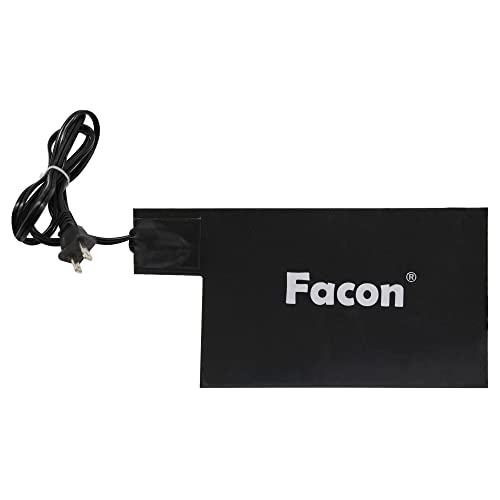 |
Facon Silicone Battery Heater Pad | ★★★★☆ | Check Price |
| 5 |  |
VINGVO 4 Pcs Silicone Rubber Heating Pad | ★★★★☆ | Check Price |
| 6 |  |
BCZAMD Silicone Rubber Heater Mat for 3D Printer | ★★★★☆ | Check Price |
| 7 |  |
Icstation 4PCS Silicone Heater Mat | ★★★★☆ | Check Price |
| 8 |  |
Zerostart 3400063 Silicone Pad Heater | ★★★★☆ | Check Price |
| 9 | 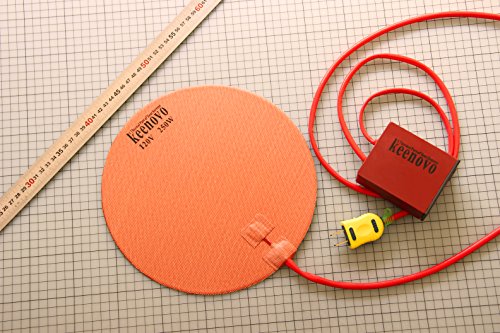 |
KEENOVO 10 inch Circular Silicone Heater Mat | ★★★★☆ | Check Price |
| 10 |  |
BriskHeat SRL-ADJ Heating Blanket with PSA | ★★★★☆ | Check Price |
A Closer Look at All 10 Silicone Heating Pads
Each pad below is scored on wattage, build quality, ease of install, and how well it matches its intended use case. The list covers 120V plug-in engine pads, 12V battery-powered mats, industrial blankets, and 3D printer bed heaters from brands like ABN, BriskHeat, and Zerostart.
1. ABN Silicone Heating Pad — Best Overall
ABN Silicone Heating Pad
ABN 2 by 5 inch 120V silicone engine block and oil pan heater with a peel-and-stick adhesive backing and 72-inch power cord.
Pros
- 120V 50W rated for engine block and oil pan heating
- 72 inch 2 prong power cord reaches any outlet
- Peel and stick adhesive mounts on clean metal
- Silicone coating resists oil acid and water
Cons
- Adhesive backing is permanent once stuck
- Thermostat not included so runs hot if left on
The ABN silicone heating pad is a 2 by 5 inch 120V pad rated at 50W, sized specifically for sticking to an engine oil pan, transmission case, or small fluid reservoir.
Plug it into any wall outlet and the pad reaches steady operating temperature in 10 to 15 minutes. The 72-inch power cord is long enough to route through most engine bays to a shore cord or garage outlet.
ABN also sells 4 by 5 and 1 by 5 inch versions of the same pad with different wattage ratings, so you can match the pad footprint to whichever metal surface you’re heating.
The silicone encapsulation resists oil, battery acid, and water spray, which matters because most installs end up near either an engine or a battery.
Clean the metal with a degreaser, peel the adhesive backing, and press firmly for 30 seconds. The bond cures harder every time the pad heat cycles.
Wrapping the cord entry point with silicone adhesive tape seals out moisture in wet engine bays.
The limits are real, and the adhesive is one-way. Once it’s stuck, pulling it off tears the backing, so plan the placement before committing.
There’s also no built-in thermostat, so ABN recommends wiring the pad through a separate thermostat for anything unattended longer than an hour or two. For a preheat before a cold morning start, a plain outlet timer handles that job fine.
2. BriskHeat SRL06121 SRL Silicone Rubber Heating Blanket — Runner Up
BriskHeat SRL06121 SRL Silicone Rubber Heating Blanket
BriskHeat SRL06121 6 by 12 inch 180W silicone rubber heating blanket with fiberglass reinforced layers for tanks drums and hoppers.
Pros
- 6 by 12 inch 120V 180W industrial rating
- Fiberglass reinforced silicone resists punctures
- 48 inch bare wire power leads for hard wiring
- Rated -60F to 450F exposure temperature
Cons
- Temperature controller sold separately
- Industrial pricing on the higher side
The BriskHeat SRL06121 is a proper industrial pad at 6 by 12 inches, 120V, 180W, built for warming tanks, hoppers, silos, and process piping.
Its heating element is laminated between two layers of 20 mil fiberglass-reinforced silicone rubber. That’s what separates this from the disposable-grade pads cheaper brands push at similar price points.
Power density comes in at 2.5 watts per square inch, enough to hold liquid-filled drums warm without scorching the contents.
Exposure temperature range runs -60F to 450F. It meets NEC Article 427 for industrial heat tracing, the NFPA section governing fixed electric heating equipment for pipelines and vessels.
Leads are 48 inches of silicone wire with bare wire termination. You wire it into whatever controller or switched circuit the facility already uses.
That’s the trade-off compared to the ABN and Zerostart consumer picks above. It demands more install work up front.
But it pays back with continuous-duty ratings the consumer pads can’t match.
Against the rank-1 ABN engine pad, the BriskHeat is the one to pick when the job is warming something bigger than an oil pan.
It also needs a separate temperature controller. BriskHeat sells those under the X2 or SDC series at additional cost.
For drum warming or a chemical tank, that combination is more reliable than an outlet timer on an engine pad.
3. Duda Diesel PHS Small Silicone Pail Heater — Best Value
Duda Diesel PHS Small Silicone Pail Heater
Duda Diesel PHS 400W silicone pail heater with an adjustable 86F to 302F thermostat that wraps around standard 5 gallon pails.
Pros
- 400W 110V heats biodiesel cooking oil or plumbing chemicals
- Adjustable 86F to 302F thermostat built in
- Fits standard 5 gallon plastic or metal pails
- 1.5mm thin profile stays flush against the pail
Cons
- Sized for 5 gallon pails not full drums
- Thermostat dial less precise than digital
The Duda Diesel PHS is a 31-inch wrap-around pail heater sized specifically for a standard 5-gallon pail, measuring 790 by 102 millimeters at just 1.5mm thick.
It ships with an adjustable thermostat that dials from 86F up to 302F. That covers the full range for biodiesel processing, cooking oil reuse, honey liquefying, and warming plumbing chemicals in a cold garage.
At 400W on a 110V outlet, it pulls under 4 amps, so a standard household circuit handles it without tripping.
The 1.5mm silicone is thin enough that the pail sits flat on the ground without rocking on the heater. Cheap pail heaters fail when they’re 3mm or 4mm thick and create a lump under the pail base.
The thermostat dial is analog, so the temperature isn’t precise to the degree. For warming work where you want “warm enough to pour easily,” it’s good enough.
Homebrewers use it for bucket fermentation temperature control too.
Against the ABN and BriskHeat options above, this pad is the value pick. It’s for anyone whose actual need is warming a 5-gallon container of liquid rather than a piece of metal.
The built-in thermostat also saves whatever a separate controller costs.
4. Facon Silicone Battery Heater Pad
Facon Silicone Battery Heater Pad
Facon 8.5 by 5.5 inch 60W silicone battery heater pad with a thermostat that cycles off at 68F to protect RV and automotive batteries.
Pros
- 8.5 by 5.5 inch 120V 60W sized for Group 24 and 27 batteries
- Built in thermostat cycles off at 68F
- 1.8mm slim pad fits under battery in the tray
- Acid resistant silicone coat
Cons
- Not for lithium ion or nickel cadmium batteries
- Adhesive may weaken in cold conditions
Facon’s battery heater pad is an 8.5 by 5.5 inch 120V 60W mat sized to fit under a standard Group 24 or Group 27 lead-acid battery in an RV or truck battery tray.
The 1.8mm thickness slides into the factory tray without needing to modify the battery hold-down. That’s the install detail that trips up most DIY battery warmers.
Plug it into shore power or a campground 120V outlet. The internal thermostat cycles the element on below about 58F and off at 68F, plus or minus 10 degrees.
Silicone here is acid-resistant, so a leaking flooded battery doesn’t destroy the pad. That matters in RVs where battery compartments live outside.
Flooded lead-acid chemistry is still the standard there.
Facon rates this for flooded and AGM lead-acid batteries only. The manual says it’s not for lithium-ion, NiCd, or batteries in an ABS case or insulated box.
Those types hold heat differently and can overheat on continuous pad contact.
Against a generic engine-block pad, the battery-specific thermostat is the reason to pick this one for a battery.
Sixty watts is too little to warm an engine block. But it’s exactly right to keep a battery above the temperature where cold-cranking amps start falling off a cliff.
That’s the SAE J537 rating standard for starter current at 0F.
5. VINGVO 4 Pcs Silicone Rubber Heating Pad
VINGVO 4 Pcs Silicone Rubber Heating Pad
VINGVO 4 pack of 20W 12V flexible silicone heater mats sized 2 by 5.9 inches for oil pans small reservoirs and 3D printer beds.
Pros
- 4 pack of 2 by 5.9 inch 12V 20W mats
- Ni chrome wire element sealed in silicone rubber
- Rated up to 200C surface temperature
- Thin and flexible wraps curved surfaces
Cons
- Small 2 by 5.9 inch footprint limits coverage
- Requires 12V DC power source
VINGVO ships these in 4-packs of 2 by 5.9 inch 12V 20W mats, and that bundle is the pitch.
At just a few dollars per pad, you can stick one on every cold-sensitive spot on a small engine, snowmobile, or off-grid setup and still have a spare.
Each pad uses a nickel-chromium wire element sealed in silicone rubber. It’s rated to 200C surface temperature.
The silicone is flexible enough to wrap a curved surface like a water line or fuel filter housing.
The 12V DC rating means these tie directly into a vehicle battery or small solar system. That’s where the 110V engine pads above can’t follow.
Install is peel, stick, and splice the leads. No thermostat or controller is included.
On anything running unattended, wire in a 12V thermostat. A cheap bimetallic snap switch works to keep the pad from running flat-out the whole time.
Against the single-pad 120V picks, this bundle is the right call for battery-driven jobs on multiple small surfaces.
The small footprint is also the limit. You can’t heat an engine block with a 2 by 5.9 inch 20W mat.
Pick the ABN or Zerostart pads for anything bigger than a fluid line or small reservoir.
6. BCZAMD Silicone Rubber Heater Mat for 3D Printer
BCZAMD Silicone Rubber Heater Mat for 3D Printer
BCZAMD 300 by 300mm 120V 750W silicone heater pad with a 100K NTC thermistor made for Ender 3 Max sized 3D printer beds.
Pros
- 300 by 300mm (12 by 12 inch) build plate heater
- 120V 750W for fast bed heat up
- Integrated 100K NTC thermistor for closed loop control
- Adhesive backing for direct stick on
Cons
- 3D printer specific use case
- Wires require careful routing under the bed
The BCZAMD is a 300 by 300mm silicone heater pad, which is the standard build plate size on Creality Ender 3 Max, CR-10 S4 Pro, and most other popular large-format printers.
At 120V 750W with a 100K NTC thermistor baked in, it hits 110C bed temperatures fast. It heats up in a quarter of the time the stock 24V 360W DC heater needs.
ABS and nylon prints that demand a 100C+ bed become practical on a Bowden printer that couldn’t get there before.
AC wiring is the piece that trips people up. Running the pad off line voltage means you’re switching 120V AC through a solid-state relay.
You bypass the printer’s onboard MOSFET, so the upgrade isn’t plug and play.
It’s a weekend wiring project with a mains-rated SSR, proper strain relief, and a separate ground. The thermistor leads into the stock temperature input on the mainboard.
Firmware treats it like any other thermistor.
The adhesive backing sticks to an aluminum or MIC-6 tooling plate without a separate mount. Once the pad is stuck, it stays.
If a 3D printer upgrade is the actual need, this pad delivers the heat. For general-purpose metal warming, the 120V line-voltage install is more work.
Pick one of the plug-in pads above instead.
7. Icstation 4PCS Silicone Heater Mat
Icstation 4PCS Silicone Heater Mat
Icstation 4 pack of 12V 25W silicone heater mats at 3.15 by 3.94 inches for compressor crankcases and small equipment warming.
Pros
- 4 pack of 3.15 by 3.94 inch 12V 25W mats
- Uniform temperature with 50 MOhm insulation resistance
- Wraps directly around refrigeration compressors and motors
- Flexible silicone rubber construction
Cons
- No built in temperature control
- Requires 12V DC source
Icstation ships these as 4-packs of 3.15 by 3.94 inch 12V 25W silicone heater mats.
Icstation rates them at 50 megohm insulation resistance and 1500V dielectric withstand for 5 seconds. That’s the paperwork you want in a pad bonded against a compressor housing or motor case.
Refrigeration crankcase heating on walk-in freezers and ice machines is the main use. A 25W mat is just right to keep refrigerant oil above freezing without overheating the crankcase.
The 12V input gives you the same battery-or-solar install flexibility as the VINGVO pack in rank 5.
Against that pack, the Icstation mats are slightly larger (3.15 by 3.94 inches vs 2 by 5.9 inches). They also run more wattage per pad (25W vs 20W), so coverage per mat is a bit more concentrated.
No built-in thermostat means you’ll run these through a controller for anything long-term.
For projects that need four separate small heaters scattered across an installation, this bundle covers it.
Pick the Icstation mats over the VINGVO set when the target surfaces are more rectangular than long-and-narrow. The wattage difference is worth noting when sizing the controller correctly.
8. Zerostart 3400063 Silicone Pad Heater
Zerostart 3400063 Silicone Pad Heater
Zerostart 3400063 3.5 by 4.5 inch 250W silicone pad heater sized for 5 to 13 quart oil pans and 6 to 16 gallon hydraulic reservoirs.
Pros
- 3.5 by 4.5 inch 120V 250W engine and hydraulic heater
- Sized for 5 to 13 quart oil pans
- Type A 2 prong plug for any household outlet
- Zerostart brand trusted in fleet and heavy duty
Cons
- Adhesive backing is one time use
- Best on smooth clean metal surfaces
Zerostart (a Phillips Industries brand) has made engine heaters for trucks, construction equipment, and fleet vehicles for decades. The 3400063 pad shows up in specs alongside Kim Hot-Start and Phillips Engine Heaters.
The pad itself is 3.5 by 4.5 inches, 120V, 250W, 2.1 amps, sized specifically for oil pans holding 5 to 13 quarts or hydraulic reservoirs of 6 to 16 gallons.
That sizing matches most diesel pickups, small hydraulic systems on skid steers, and light ag equipment.
Install is peel, press to a clean metal surface, and plug the Type A 2-prong cord into any 120V shore cord.
Fleet-grade construction is the reason to pick this over a generic pad at the same price. Zerostart pads routinely last a decade on an over-the-road truck block.
That’s a much harder life than a pickup or a hobbyist’s lawn tractor.
Compared to the rank-1 ABN pad, Zerostart is 5x the wattage (250W vs 50W) and sized for harder jobs.
Pick the Zerostart when the oil pan is bigger than a car’s, or when the vehicle sees sub-zero winter starts regularly. For a small hatchback or a motorcycle, the ABN is sized right.
The Zerostart is overkill there.
9. KEENOVO 10 Inch Circular Silicone Heater Mat
KEENOVO 10 inch Circular Silicone Heater Mat
KEENOVO 10 inch diameter 120V 250W round silicone heater with a digital thermostat controller for circular 3D printer beds and vacuum chambers.
Pros
- 10 inch circular form factor
- 120V 250W with digital thermostat controller included
- Low profile silicone fits flush under round surfaces
- Good for kettles vacuum chambers and round build plates
Cons
- Round shape does not fit square surfaces
- Niche use case limits versatility
KEENOVO’s 10-inch circular silicone heater is built for the one use case where round matters. Think delta-style 3D printer beds, vacuum chamber bottoms, kettle-warming setups, and lab heating tasks where the vessel is round.
The mat runs on 120V at 250W with an included digital thermostat controller for precise temperature management.
That round form factor is what makes this a niche pick. Most silicone heater pads are rectangular.
They waste energy heating perimeter areas the project doesn’t use.
This circular design matches round build plates and chamber bottoms exactly. The low-profile silicone keeps the heat source flush under the object without adding noticeable height.
The round shape that makes it specialized is also the obvious limit.
If your project surface is square or rectangular, you’ll end up with uncovered corners and uneven heat. Outside delta printing, vacuum work, and kettle warming, the rectangular pads in this list will serve you better.
10. BriskHeat SRL-ADJ Heating Blanket with PSA
BriskHeat SRL-ADJ Heating Blanket with PSA
BriskHeat SRL06121PADJB 6 by 12 inch 180W silicone rubber heating blanket with integrated adjustable control and pressure sensitive adhesive backing.
Pros
- 6 by 12 inch 120V 180W rating
- Integrated adjustable temperature control knob
- Pressure sensitive adhesive backing for stick on install
- Silicone rubber construction holds up to chemical exposure
Cons
- Premium industrial pricing
- PSA adhesive is one time stick like a decal
The BriskHeat SRL06121PADJB is the plug-and-play sibling of the rank-2 SRL06121.
Same 6 by 12 inch 180W 120V silicone rubber blanket, but with two upgrades baked in. It has a built-in adjustable temperature control knob and a pressure-sensitive adhesive (PSA) backing.
The built-in controller means no separate SDC or X2 thermostat to buy. The PSA turns the install from a hardwire job into a peel-and-stick.
The trade-off is cost. Integrated control and PSA bump the price above the bare SRL06121.
The PSA is a one-shot install, the same way most stick-on silicone pads are.
If you already own a temperature controller, the rank-2 version saves money. It gives you the flexibility of wiring the blanket to your own switch.
If you want a single-SKU blanket that can go on a drum or tank in 5 minutes and work without a separate controller, this is the one to pick.
The chemical-resistant silicone rubber carries over from the SRL line. Hot oil, mild solvents, and water spray don’t damage the blanket.
Temperature range still tops out at 450F exposure per the SRL spec sheet.
Frequently Asked Questions
Short answers to the most common questions about sizing, wiring, and installing silicone heating pads, also known as engine block heaters or oil pan warmers.
Will a silicone heating pad actually stop my diesel from gelling overnight?
Yes, if it’s sized and installed right. A pad on the oil pan keeps oil thin enough to pump on startup, and a fuel-filter heater or tank pad keeps paraffin wax from crystallizing.
Run the pad on a timer that kicks in a few hours before your morning start. That gives the best results without wasting electricity overnight.
Pairing the pad with upgraded silicone heater hose keeps the entire cooling system cold-weather ready.
Can I put a silicone heating pad under my RV holding tank or battery?
That’s exactly what the Facon Silicone Battery Heater Pad and similar adhesive-backed mats are built for. Clean the surface with alcohol, peel the backing, and press firmly for a solid bond.
The adhesive cures stronger over the first few heat cycles, so give it a day of use before testing its hold.
How long do silicone heating pads stay stuck?
On a properly prepped surface, years. The adhesive actually cures harder as it heat-cycles, so the bond improves over the first few weeks of use.
The key is thorough surface prep before you stick the pad down. Any grease, rust, or paint flake under the adhesive will cause it to peel later.
Do I need a thermostat with a silicone heater?
For anything unattended or running for hours, yes. The Duda Diesel PHS is a smart pick here.
It has a built-in adjustable thermostat that cycles on and off instead of running flat out. That prevents overheating and keeps energy costs down during long overnight sessions.
Can silicone heaters handle being submerged in oil or coolant?
They’ll tolerate splash and incidental contact, but they’re not built to sit inside a liquid. Industrial drum blankets like the BriskHeat SRL06121 wrap the outside of the container and heat through the wall.
That’s the intended design for safely warming fluids without any electrical parts touching the liquid.
What wattage do I need for an engine block heater?
A 250-300W pad is standard for small to mid-size gasoline engines. Diesel oil pans and bigger blocks do better with 400W or more.
Size the wattage to the surface area being heated. An undersized pad won’t warm the metal evenly, and an oversized one wastes energy.
Why is my silicone heating pad not getting as warm as it used to?
Three usual suspects. The adhesive has started peeling at an edge and broken thermal contact with the metal.
The element has developed a hot spot that tripped an internal fuse. Or the supply voltage has sagged below the pad’s rated input.
Can I cut a silicone heating pad to fit a smaller area?
No. Cutting severs the heating element and creates an electrical hazard.
Use silicone caps on exposed wire ends to prevent shorts during installation.
These pads are sized at the factory with the element routed precisely inside the silicone layers. Order the closest factory size to your application.
Accept minor overhang rather than risking a dangerous modification.
How do I wire a 12V silicone pad to stay on only when the engine is cold?
Run the pad through a normally-closed thermostat with the bulb mounted on the surface you’re heating. A 70F cutoff is standard for battery warmers, and 40F works well for oil pan mats.
Wire through a relay rated for the pad’s amperage to protect the thermostat contacts from burning out over time.
Will these pads work outdoors in rain or snow?
The silicone encapsulation is moisture-resistant, not marine-grade waterproof. For outdoor installs, mount the pad somewhere sheltered like the underside of an oil pan or inside an engine bay.
Keep the power-lead connection out of direct water spray by wrapping it in self-fusing silicone tape or heat shrink.
Final Thoughts
The ABN Silicone Heating Pad takes the top slot. The 2 by 5 inch 120V form factor and 72-inch cord hit the sweet spot for engine block, oil pan, and fuel reservoir warming.
Adhesive backing sticks to clean metal without needing brackets or straps.
The BriskHeat SRL06121 runner-up is the right call for industrial drum and tank warming. Larger surface area, continuous-duty rating, and the minus-60F to 450F exposure range actually matter here.
Fiberglass-reinforced silicone holds up to chemical exposure that destroys lighter pads.
The Duda Diesel PHS is the value pick for 5-gallon pail warming. It handles cooking oil, plumbing chemicals, biodiesel, or homebrew supplies.
The adjustable 86F to 302F thermostat dials in the temperature without overheating contents.
Silicone rubber heaters handle the heavy work of keeping engine oil thin, batteries at cold-cranking temp, and 3D printer beds at spec. All of them earn their cost back the first morning a cold engine starts on the first crank.