 roundup
 10 Fake Pregnancy Silicone Bellies for Film, Stage, and Cosplay
Silicone bellies for fake pregnancy props, ranked by realism, weight, and fit. We tested 10 picks for film, cosplay, costume, and stage work in 2026.

Silicone hair tools, body brushes, health aids, and personal care products reviewed and compared.

We may earn a small commission through links on this page, at no extra cost to you. As an Amazon Associate, we earn from qualifying purchases. Ratings reflect our own editorial evaluation.
Silicone snuck into personal care so gradually that most people didn't notice until it was everywhere. Facial cleansing pads, scalp massagers, heel protectors, flat iron grips -- pick up almost anything in the beauty aisle and there's a silicone version now.
That's not slowing down, either. People want tools that don't fall apart after three months and don't turn into bacteria farms between uses. Research in the Journal of Clinical and Aesthetic Dermatology backs what dermatologists have been saying for years: medical-grade silicone is one of the most skin-friendly synthetic materials out there.
This guide covers the full range of silicone beauty products -- from the formulations hiding in your serums to the tools sitting on your bathroom counter. I'll get into which ones actually deliver, how to tell quality from junk, and why cosmetic-grade silicone has nothing in common with the industrial stuff from the hardware store.
Whether you're overhauling your skincare routine or just replacing a worn-out brush, understanding silicone changes how you shop. Everything here draws on published dermatological research, FDA classifications, and real-world testing.
The global beauty industry crossed $430 billion in 2025, and silicone-based products keep grabbing a bigger share across skincare, hair care, cosmetics, and therapeutic body care.
A lot of that momentum comes from people ditching single-use plastic tools and synthetic-fiber applicators. Once durability and hygiene start driving purchase decisions, silicone has a pretty obvious edge.
Silicone landed in beauty because it nails every requirement for skin contact: hypoallergenic, non-comedogenic, heat-resistant, chemically inert. You can wear it against any skin type for hours without trouble. The FDA considers cosmetic-grade silicone safe for topical use, and dermatologists recommend it across the board -- sensitive, oily, dry, acne-prone, all of it.
At the molecular level, it's a polymer built from repeating chains of silicon, oxygen, carbon, and hydrogen. The one doing most of the work in beauty products is polydimethylsiloxane (PDMS), which clears FDA Code of Federal Regulations Title 21, Section 177.2600 for safe topical application.
Natural rubber falls apart when it keeps running into oils, sweat, and UV light. Silicone doesn't care. It holds its shape for years, and because the surface is non-porous, bacteria, mold, and fungus can't get a foothold.
Cosmetic chemists like it because it blends into creams, serums, primers, and lotions without interfering with active ingredients. It creates a smooth base that helps everything else spread evenly and absorb properly.
On skin, it's soft and springy -- snaps right back after every use. That elasticity is why silicone tools skip the micro-scratches that stiff plastic bristles leave behind over months of daily use.
Medical-grade and cosmetic-grade silicone go through purity testing that the industrial stuff never touches. If a product carries either label, it's already been screened for heavy metals, latex, BPA, and phthalates.
There are six main buckets: skincare tools, hair care devices, body care products, foot and orthopedic aids, makeup applicators, and formulation ingredients. Nearly all of them replace something less durable or less hygienic that's already in your routine.
Most people don't realize how wide the range is. Once you see the full picture, it's a lot easier to figure out which tools and formulations actually belong in your daily lineup.
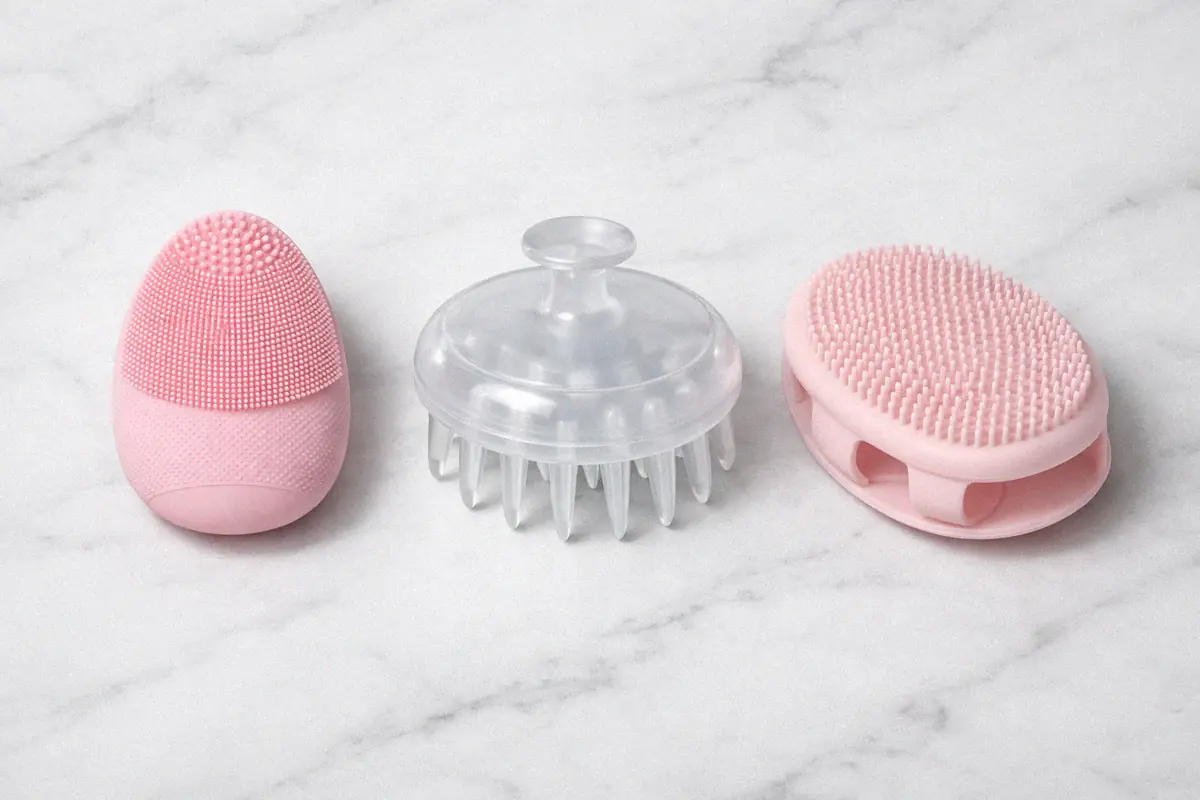
Silicone facial cleansing brushes have pretty much replaced those battery-powered spinning heads for a lot of people. The soft, tapered nubs on a silicone face brush lift dirt, oil, and dead cells without tearing up the skin barrier the way nylon bristles can.
Manual silicone face scrubbers cost way less than motorized ones, too. No charging, no replacement heads, no fussy cleaning routine. Rinse under warm water and you're done.
Silicone face mask applicators have caught on with skincare people as well. They lay down clay and cream masks in a thin, even coat without soaking up half the product like foam brushes and fingertips tend to.
Some tools have cleansing nubs on one side and a flat spatula edge on the other -- cleanse in the morning, apply masks at night, one tool for both jobs.
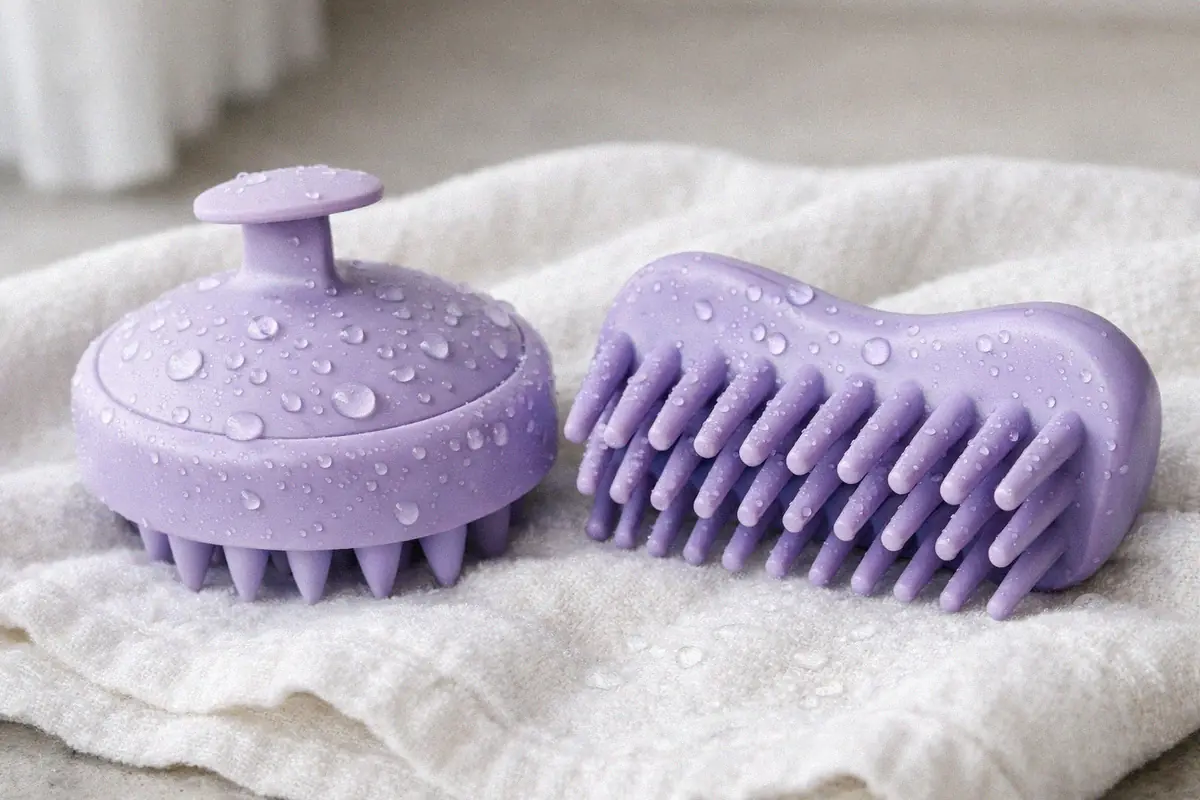
Your scalp's health directly affects hair growth, thickness, and how your hair looks day to day. Silicone shampoo brushes boost circulation while you wash, working loose the buildup, flakes, and sebum that fingernails miss.
The flexible tips massage without scratching -- a big deal if your scalp runs sensitive or is already irritated. Dermatologists often suggest silicone scalp massagers alongside dandruff treatments as a drug-free boost.
Silicone hair brushes built for detangling move through wet hair with way less breakage than stiff bristle brushes. The rounded tines flex and part strands instead of ripping through knots, and that's a big deal for curly, coily, and chemically treated hair.
Silicone hair curlers set heatless curls and waves while you sleep. They hold your hair in place without the crease marks foam and velcro rollers leave behind, and they keep their shape after hundreds of uses.
For heat styling, silicone flat irons and silicone diffusers spread heat evenly across the hair. Both keep you safe from the hot-spot damage that bare metal plates and hard plastic attachments tend to cause.
If you only make one swap today, make it the silicone body brush over your old loofah or mesh pouf. Natural loofahs start trapping moisture and growing bacteria within 48 hours of first use, according to research in the Journal of Clinical Microbiology. Honestly, it's pretty gross once you see the numbers.
Silicone body scrubbers sidestep the whole mess. The solid, non-porous build has no internal crevices for bacteria to hide in, and the surface dries within minutes.
Dual-sided silicone body brushes give you fine nubs on one face for a gentle wash and firmer bristles on the flip side for real exfoliation. One tool, two jobs, cheaper over its lifespan than buying both separately.
Long-handled silicone back scrubbers reach the spot between your shoulder blades that hands and washcloths always miss. The flexible head molds to your spine and upper back so you actually get full coverage.
Silicone foot pads, heel cups, and toe correctors tackle pain points that millions of adults deal with every day. Metatarsal pads spread pressure across the ball of the foot, easing the concentrated force behind calluses, neuromas, and forefoot pain.
Medical-grade silicone gel molds around your foot under body weight but keeps enough bounce to absorb impact. Gel heel cups tuck inside dress shoes, sneakers, and work boots without the bulk foam inserts bring.
Silicone shoe inserts come in full-length and targeted shapes for arch support, ball-of-foot cushioning, and heel correction. Podiatrists usually steer patients toward silicone over foam because it doesn't squish flat under repeated loading the way EVA foam does.
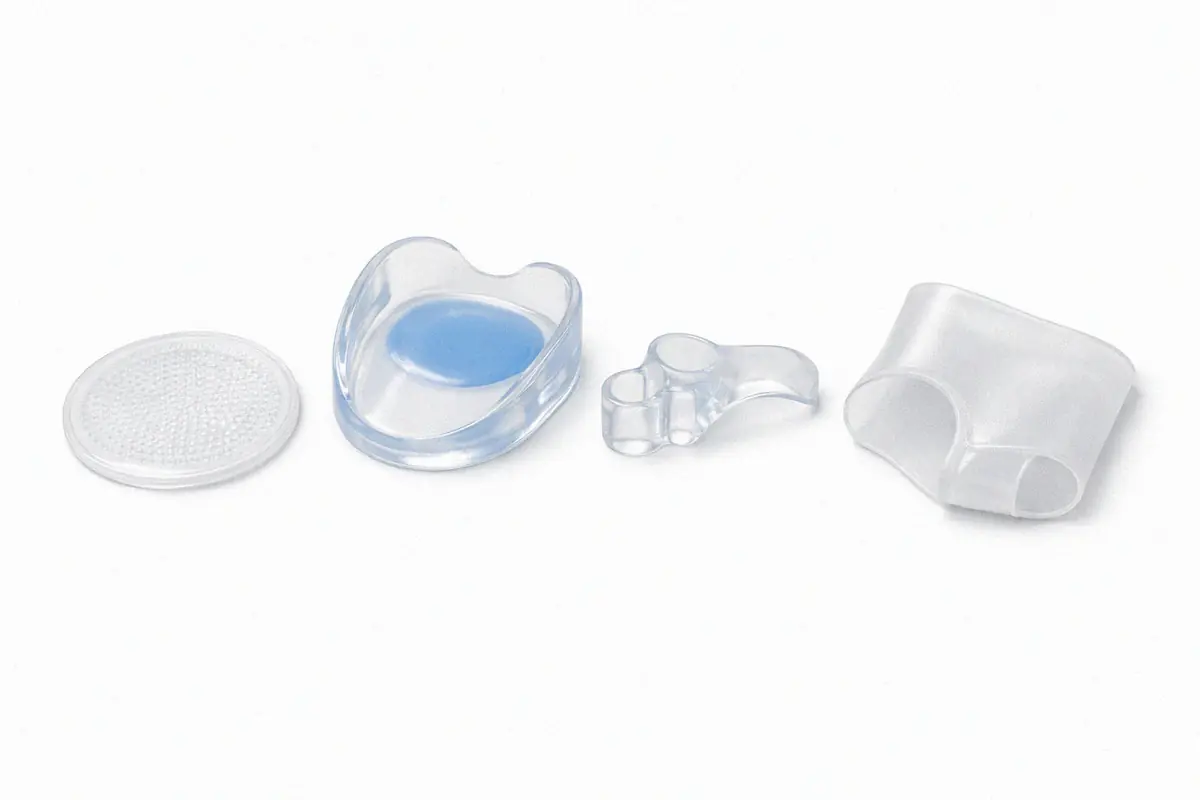
Toe separators and bunion guards cut from clear silicone gel nudge joint alignment back into place over time. They disappear inside most shoe styles and clean up with soap and water.
Silicone metatarsal sleeves slide over individual toes and cushion the ball of the foot without any adhesive strips or tape to mess with. They stay put while you walk and shift weight off the pressure points that cause burning and numbness.
Silicone makeup sponges came along as a direct counter to traditional foam beauty blenders. The non-absorbent surface doesn't waste a drop of product, and that savings adds up fast when you think about how much foundation a foam sponge soaks up over its life.
The technique takes some adjustment, though. Silicone sponges work best with patting and pressing rather than bouncing. You end up with a thin, even layer while using noticeably less product each time.
Silicone lip plumper devices use gentle suction to pull blood flow to the lips temporarily. The soft, flexible rim makes an airtight seal without the bruising rigid plastic alternatives can cause.
Silicone nail mats protect your work surface during manicures and gel applications. They shrug off acetone, alcohol, and UV exposure without degrading, staining, or curling at the edges.
Three silicones handle most of the heavy lifting in skincare: dimethicone, cyclomethicone, and cyclopentasiloxane. They each do something different -- locking in moisture, smoothing texture, helping other ingredients absorb. You'll spot them in moisturizers, primers, serums, sunscreens, and scar treatment gels.
Dimethicone is the one you'll see most often. It creates a breathable barrier that traps moisture without that heavy, greasy feeling petroleum-based alternatives leave behind. The Cosmetic Ingredient Review Expert Panel cleared it as safe for both leave-on and rinse-off products at concentrations up to 30 percent.
Cyclomethicone is volatile -- it evaporates after you apply it and leaves a dry, silky finish. That's exactly why it's the backbone of lightweight serums, mattifying primers, and oil-free moisturizers built for combination and oily skin.
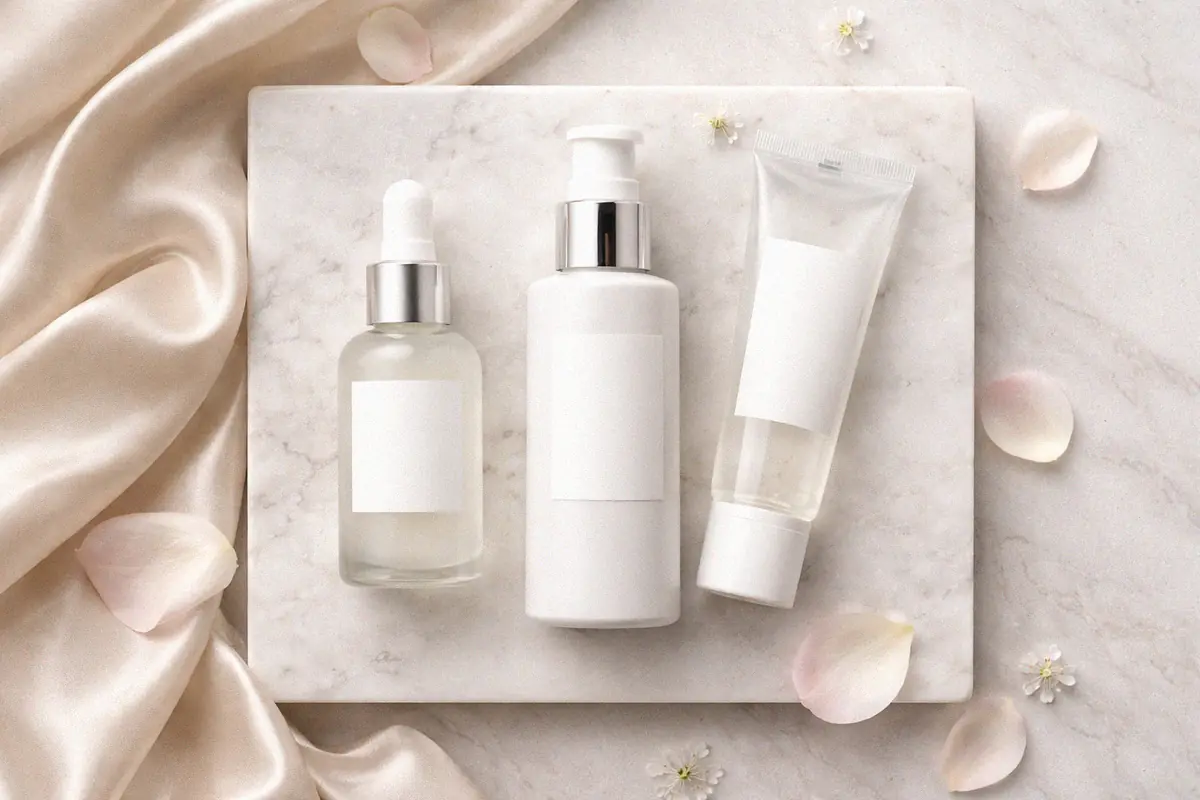
Silicone-based scar treatment sheets and gels are some of the most-studied topical therapies for hypertrophic scars and keloids. Peer-reviewed work in Dermatologic Surgery showed that wearing silicone gel sheeting consistently for 12 weeks reduces scar thickness, redness, and texture irregularity.
In sunscreens, silicones help the formula spread evenly and stop UV filters from clumping together. Without them, a lot of mineral sunscreens leave that obvious white cast because the zinc oxide and titanium dioxide particles bunch up instead of dispersing.
Anti-aging serums rely on dimethicone to hold retinol, vitamin C, niacinamide, and hyaluronic acid against the skin long enough for absorption. That same layer also protects light-sensitive actives from oxidation caused by air and sunlight.
Primers lean on cyclopentasiloxane and dimethicone crosspolymer to fill fine lines and pores. Those two silicones create the smooth, blurred canvas that foundation glides across, and they're what stretches your makeup wear time by several hours.
Short version: silicones coat each strand in a thin protective layer that reduces friction, blocks humidity, and seals split ends. The result is smoother, shinier hair with less breakage when you style.
Dimethicone and amodimethicone do most of the work here. Dimethicone coats the whole shaft evenly -- adds shine, kills static, smooths the cuticle down.
Amodimethicone is pickier. It goes after damaged sections first, depositing more product where the cuticle is lifted or broken. That targeted approach is why professional conditioners and leave-in treatments favor it.
Heat protectant sprays and serums with silicone build a thermal shield around every strand before you flat iron, curl, or blow dry. Silicone hair sprays hold up past 400 degrees Fahrenheit without breaking down.
You'll hear the complaint that silicone builds up on hair over time and leaves a waxy residue. Fair concern, but it really only happens with non-water-soluble silicones like dimethicone when you never reach for a clarifying shampoo.
Water-soluble versions like PEG-modified dimethicone rinse out with any standard sulfate-free shampoo. The lighter, water-soluble silicones give you frizz control and definition without the moisture-blocking issues people pin on the heavier stuff.
For most people, no. Silicone-free products suit folks who never use clarifying shampoo and want to avoid buildup entirely, but you're giving up frizz protection and heat shielding in the trade.
A water-soluble silicone conditioner paired with a monthly clarifying wash gives most hair types the smoothing benefits without any pile-up. Going fully silicone-free really only makes sense for low-porosity hair that already has a hard time absorbing moisture.
Silicone-based hair serums rubbed into damp hair before air drying build a humidity-resistant shield that keeps frizz away for 24 to 48 hours. A pea-sized dab worked from mid-shaft to the ends gives you visible smoothness without the greasy weight of oil-based alternatives.
Silicone body care goes well beyond shower brushes -- exfoliating mitts, scar treatment sheets, compression garments, wrinkle pads, nipple covers. They're all designed for extended skin contact. The category also reaches into stretch mark treatments, gel pads, and therapeutic post-surgical garments.
Silicone exfoliating mitts slide over your whole hand and distribute pressure across big areas -- back, thighs, torso. The textured surface buffs away dead skin without the roughness of pumice or stiff dry brushes.
Body-size silicone scar sheets are bigger than facial versions and adhere directly to surgical scars, C-section scars, burn marks, and stretch marks. Clinical protocols call for 12 to 24 hours of daily wear over at least 90 days.
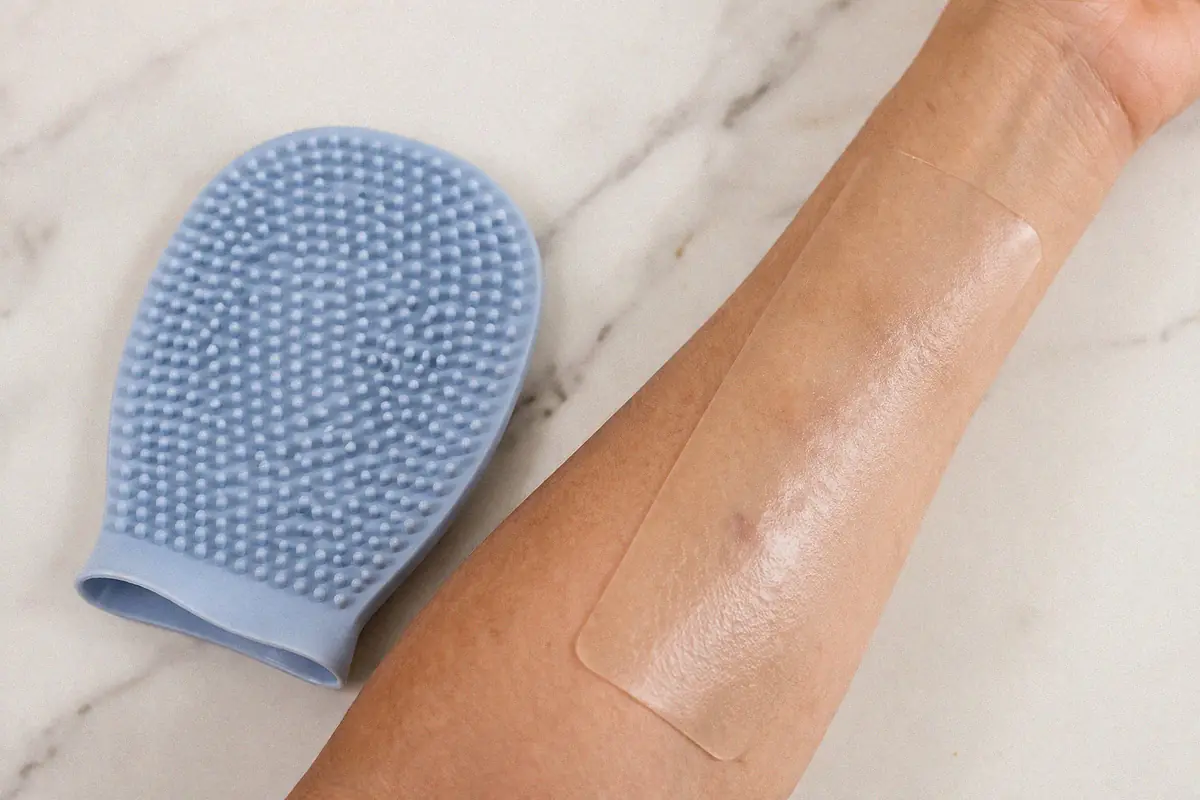
Body-firming patches loaded with silicone gel push hydration into spots prone to crepey skin. They trap moisture against the surface and temporarily plump and smooth the treated area.
Post-surgical silicone compression garments pair scar-healing properties with graduated pressure that cuts swelling and helps tissue remodel. Plastic surgeons routinely prescribe them after abdominoplasty, liposuction, and breast augmentation.
Silicone nipple covers and body tape have turned into wardrobe essentials for anything backless or strapless. The adhesive-free silicone grips skin through static friction, leaves zero residue, and holds up through multiple wears before you replace it.
Under-eye silicone patches tackle fine lines and puffiness while you sleep. The gentle compression plus moisture retention plumps the thin periorbital skin in ways topical creams can't really touch.
Chest and neck wrinkle pads worn overnight work on the same occlusive principle as scar sheets, smoothing out sleep lines. Use them night after night and they gradually soften the creases that form when side-sleeping mashes delicate skin against the pillow.
Silicone foot care tackles calluses, cracked heels, bunions, plantar fasciitis, Morton's neuroma, hammer toes, and straight-up foot fatigue. Medical-grade gel cushioning outlasts foam and fabric by years, not months.
Moisturizing silicone heel sleeves seal your own skin moisture and whatever cream you apply against cracked, dry heels around the clock. Wear them under socks during the day and barefoot at night for nonstop hydration.
Bunion correctors made from clear silicone gel slip between the big toe and second toe to nudge the joint back toward its natural alignment. Unlike rigid plastic splints that rub and create pressure sores, silicone correctors flex and give with every step.
Plantar fasciitis heel cups with a deep center cradle soak up the shock that inflames fascia tissue. The gel spreads impact across the entire heel instead of dumping it all on the one painful spot.
Silicone toe caps and sleeves shield individual toes from friction blisters, corns, and the pressure of ingrown toenails. Runners, hikers, and nurses who spend long shifts on their feet lean on these as a preventive measure.
Full-length silicone insoles built for high heels and dress shoes stop the forward slide that concentrates pressure on the forefoot. The grippy surface keeps your foot anchored without the bulk of traditional orthotic inserts.
The durability gap here is hard to argue with. A solid silicone heel cup holds its cushioning for 6 to 12 months of daily use. Comparable foam inserts? Flat in 60 to 90 days.
Silicone makeup tools eliminate product waste, resist bacterial growth, and clean in seconds. Those three things address the biggest complaints makeup artists and everyday users have about traditional foam and brush applicators.
A silicone beauty blender sponge applies liquid foundation, BB cream, and concealer without absorbing a single drop. Independent testing found that traditional foam sponges soak up between 20 and 40 percent of the product loaded onto them.
Over a year of daily use, that absorption adds up to tossing the equivalent of several full bottles of foundation. Switching to a non-absorbent silicone applicator saves real money over time.
Silicone eyeliner stencils and eyeshadow shields speed up precision work for anyone who struggles with freehand technique. The flexible material hugs the orbital bone and brow contour, giving you a clean edge for winged liner and smokey eye looks.
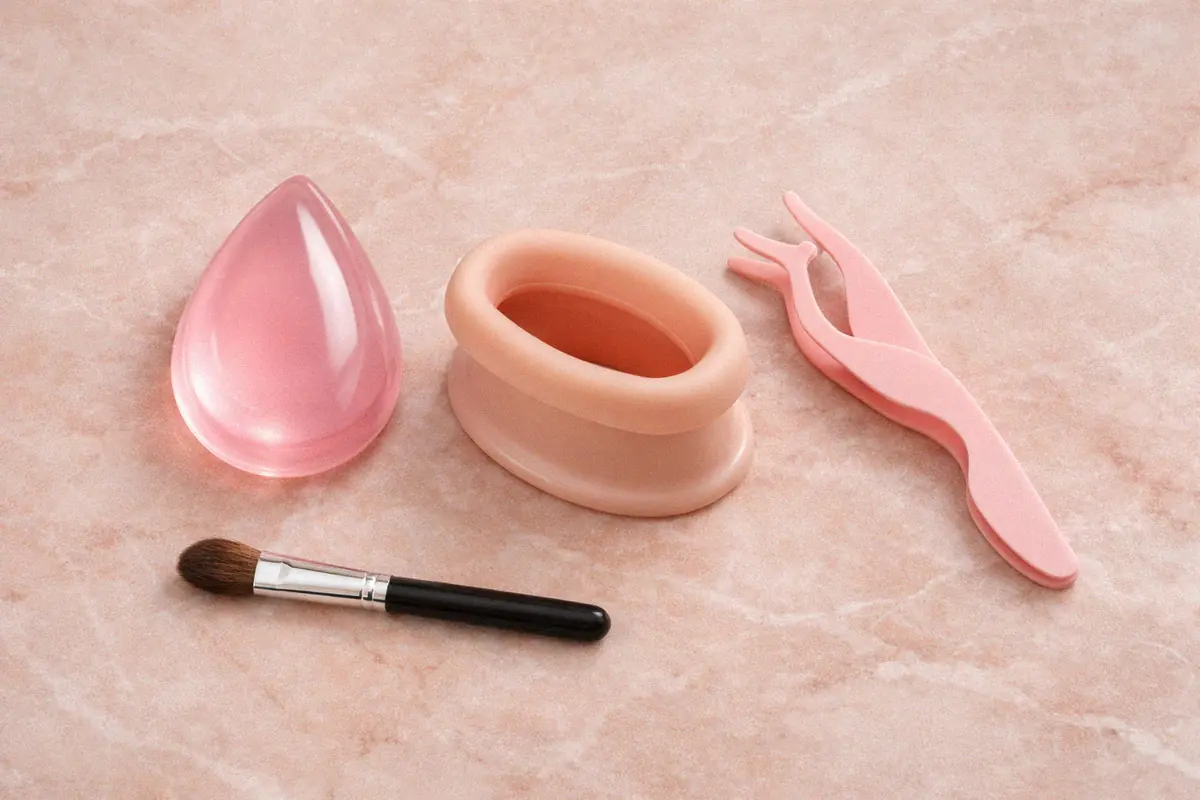
Professional makeup artists tend to favor silicone mixing palettes for blending custom foundation shades. The non-porous surface prevents oxidation and contamination between clients — something porous acrylic palettes can't guarantee.
Silicone false eyelash applicators grip lash bands with gentle precision. The curved, flexible tips position the band closer to the lash root than metal tweezers or fingertips can manage.
Cleaning silicone makeup tools takes under 30 seconds — warm water, mild soap, done. Compare that to foam beauty blenders that need soaking, squeezing, and drying cycles that breed bacteria if you skip even once.
Both the FDA and the Cosmetic Ingredient Review Expert Panel classify cosmetic-grade silicone as non-toxic, non-allergenic, and non-comedogenic. It's been studied and approved more thoroughly than most materials in personal care.
Non-comedogenic means it won't clog pores when formulated properly. Dermatologists at the American Academy of Dermatology have confirmed that dimethicone and cyclomethicone don't trigger acne or inflammatory breakouts in controlled clinical testing.
Allergic reactions to purified cosmetic silicone are vanishingly rare. A broad review in Contact Dermatitis found that genuine silicone allergy accounts for less than 0.5 percent of all contact dermatitis cases.
You'll still run into claims that silicone "suffocates" the skin, but there's zero clinical backing for that. Dimethicone's molecular structure allows water vapor and oxygen to pass through the barrier it forms -- it's semi-occlusive, not a plastic wrap.
| Concern | Clinical Evidence | Verdict |
|---|---|---|
| Clogs pores | Non-comedogenic in clinical patch testing | Myth |
| Causes acne | No causal link in peer-reviewed studies | Myth |
| Suffocates skin | Semi-occlusive; allows gas exchange | Myth |
| Builds up on hair | True for non-water-soluble types without clarifying | Partially true |
| Causes allergic reactions | Under 0.5% incidence in clinical literature | Extremely rare |
| Traps bacteria on skin | Non-porous surface resists microbial colonization | Myth |
Where things go wrong is when manufacturers cut costs by adding fillers, plasticizers, or lower-grade silicone compounds. If a product smells strongly of chemicals, feels unusually sticky, or leaves visible residue, it likely contains impurities that cosmetic-grade silicone doesn't.
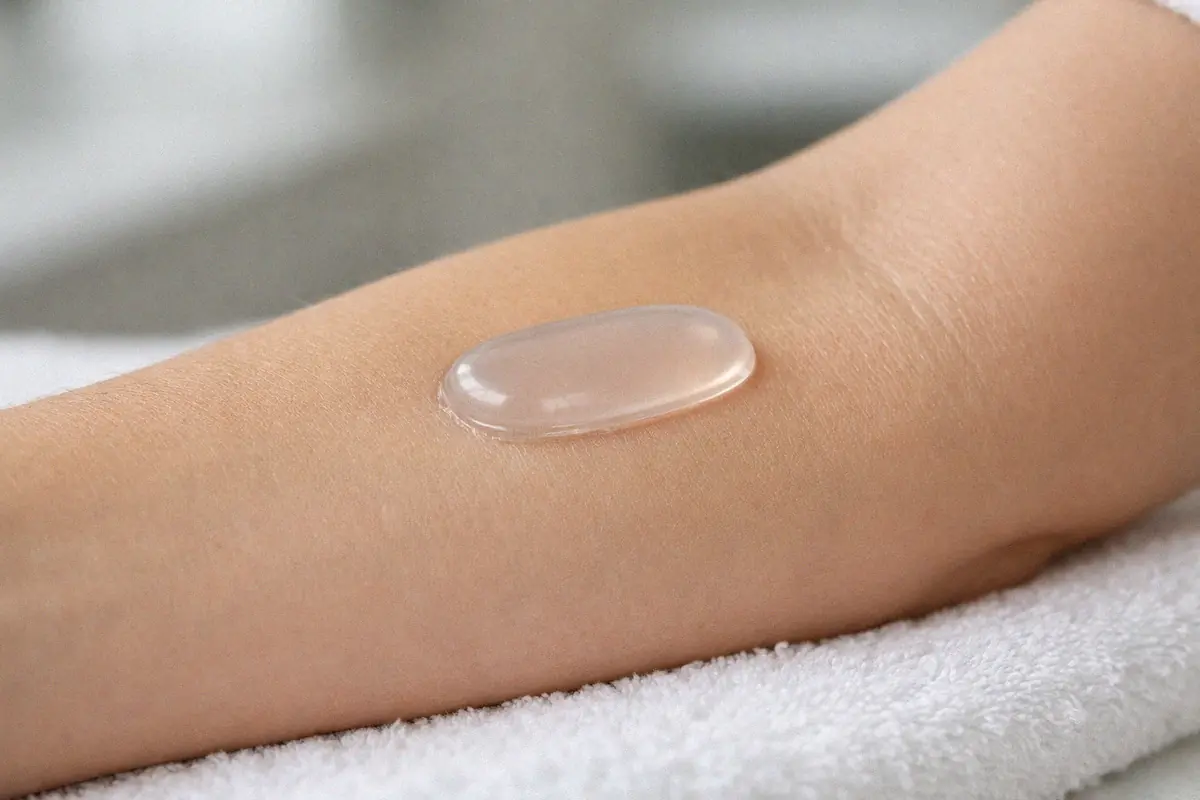
Patch testing remains the gold standard for anyone with sensitive or reactive skin. Apply a small amount of any new silicone product to the inner forearm for 24 hours before using it on the face, scalp, or body.
Pregnant and nursing women can use cosmetic-grade silicone products without concern according to current dermatological guidance. The molecular weight of topical silicones prevents them from penetrating the skin barrier and entering systemic circulation.
Five things separate good silicone beauty products from cheap knockoffs: material grade, construction quality, flexibility, odor, and third-party certification. Checking all five before buying saves you money and potential skin irritation.
Material grade matters most. Look for products specifically labeled medical-grade or cosmetic-grade silicone. If a listing just says "silicone material" with no grade mentioned, that's a yellow flag.
Platinum-cured silicone is the highest purity you can buy and costs more to produce. The curing process leaves no residual byproducts behind. Peroxide-cured is the cheaper, more common alternative -- still fine, but it sometimes carries a faint chemical smell on first use.
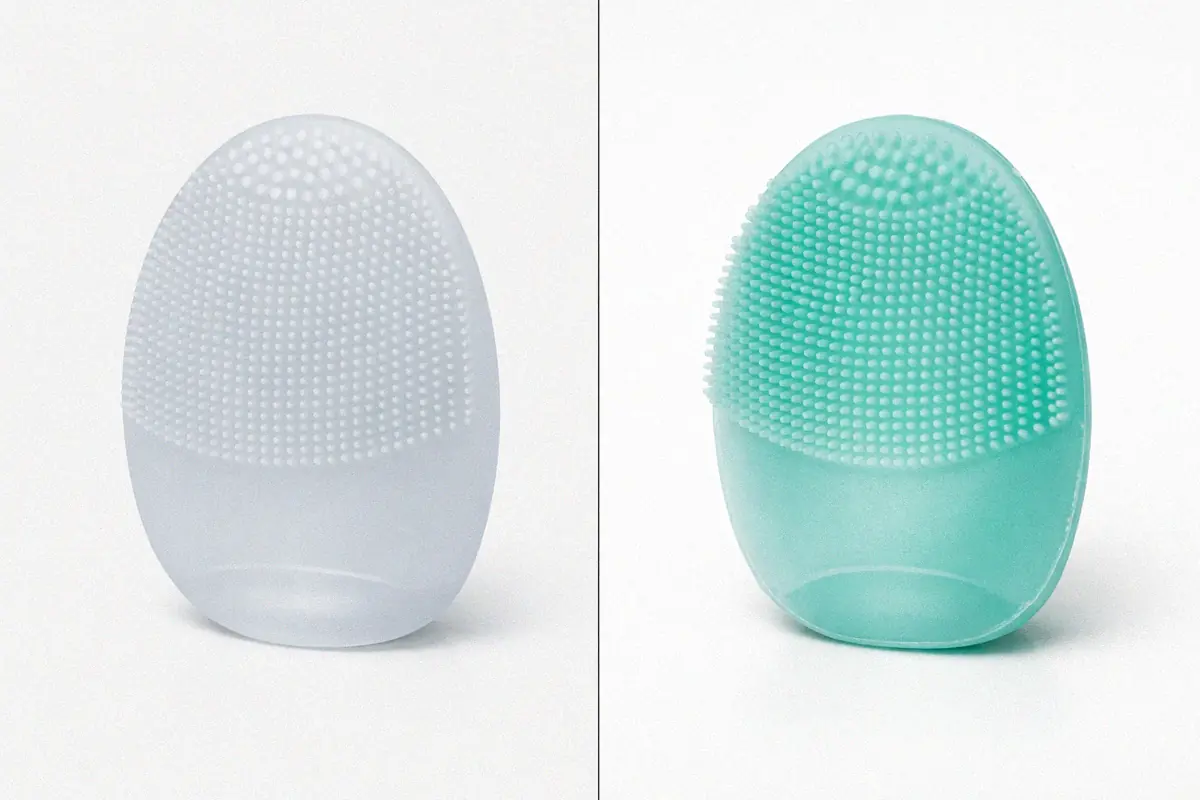
Construction quality shows in the seams and edges. Good silicone beauty tools have smooth, flash-free edges -- no mold lines or rough spots that could scratch skin.
Flexibility is a solid clue about purity. Quality silicone bends, stretches, and snaps back instantly. Products loaded with filler feel stiff and will tear if you stretch them.
Third-party certifications give you proof beyond whatever the manufacturer claims on the box. FDA registration, SGS testing reports, and LFGB certification all mean the product passed independent purity and safety testing.
Price is a rough guide but not a guarantee. Spending a few extra dollars on established brands that actually publish their material certifications tends to pay for itself in longevity.
Color consistency is another quick tell. Real silicone holds uniform color throughout. Blended or filled products show visible color variations, streaks, or cloudy patches where the cheap filler didn't mix evenly with the silicone base.
In most beauty product categories, silicone beats plastic, natural rubber, foam, and fabric on durability, hygiene, and skin compatibility. Here's how they compare head to head.
| Property | Silicone | Plastic | Natural Rubber | Foam |
|---|---|---|---|---|
| Bacterial resistance | Excellent (non-porous) | Moderate | Poor (porous) | Very poor |
| Skin compatibility | Hypoallergenic | Variable | Latex allergy risk | Variable |
| Durability | 2-5 years typical | 6-18 months | 3-6 months | 1-3 months |
| Product absorption | Zero | Low | Moderate | 20-40% |
| Heat resistance | Up to 450°F | Warps at 200°F | Degrades at 250°F | Melts at 180°F |
| Chemical resistance | High | Low-Moderate | Low | Very low |
| Environmental impact | Long lifespan, not biodegradable | Short lifespan, not biodegradable | Biodegradable | Short lifespan, landfill |
Natural rubber carries a latex allergy risk that affects roughly 1 to 6 percent of people. Silicone sidesteps that completely -- there are no natural rubber proteins in it.
Foam beauty blenders make the hygiene gap obvious. Their porous interior absorbs product and moisture, turning into a bacteria incubator -- which is why dermatologists push for replacing them every two to three months.
Plastic beauty tools leach microplastics and chemical additives when they're exposed to heat, alcohol-based products, and UV light. Silicone won't do that. It's chemically inert, so nothing migrates into your products or skin.
The one category where traditional materials win is biodegradability -- silicone doesn't break down in landfills. But its durability means one product replaces several disposable alternatives over time, so the waste math still tilts in silicone's direction.
The routine is simple: warm water, mild soap, and the occasional boil to sterilize. That's it. No specialized cleaning agents needed, and your silicone beauty tools will perform like new for years.
A simple three-step routine covers most silicone beauty tools:
Medical-grade and cosmetic-grade silicone can handle sustained boiling without degrading, warping, or releasing anything. That's what makes boiling a perfectly safe sterilization method.
Storage matters more than most people think. Keep silicone tools somewhere ventilated -- not sealed inside a damp toiletry bag or shut drawer where leftover moisture sits.
Try to avoid storing them in direct sunlight for long stretches. Silicone handles UV far better than plastic and rubber, but prolonged intense sun can eventually discolor lighter-colored products.
Most silicone beauty tools are dishwasher-safe, too -- top rack is the way to go. Especially handy for body brushes, foot pads, and bigger tools that benefit from sustained heat and detergent.
With regular cleaning, most silicone beauty tools last 2 to 5 years before you'd even think about replacing them. Swap them out when you spot permanent discoloration, tears, loss of flexibility, or a lingering odor that survives a good boil.
Yes. Cosmetic-grade silicone is non-comedogenic and hypoallergenic. Clinical studies show it doesn't clog pores or trigger inflammatory acne. That said, if you have severe contact dermatitis, a patch test is still a good idea.
Good silicone face brushes, body brushes, and applicators go 2 to 5 years with regular use and basic cleaning. Foot care products like heel cups and inserts wear out faster -- 6 to 12 months under daily load-bearing use.
On hair, yes -- non-water-soluble silicones like dimethicone can pile up if you skip clarifying shampoo. On skin, buildup isn't really a concern because normal cleansing removes topical silicones just fine.
Medical-grade silicone meets tighter purity standards designed for implantable devices and wound care. Cosmetic-grade is tested for topical skin contact. Both are perfectly safe for external beauty use.
Not biodegradable, no. But a single silicone tool replaces dozens of disposable alternatives over its life. The net waste reduction generally comes out ahead despite the material sticking around in landfills.
Pinch and twist the product. Real silicone flashes white at the stress point and bounces right back to its original color.
If it stays discolored, feels rigid, or reeks of plastic, it's probably loaded with fillers. Third-party certifications from FDA, SGS, or LFGB give you extra peace of mind.
Silicone's takeover in beauty isn't hype -- it comes down to real, measurable advantages in safety, hygiene, durability, and performance. Nothing else matches the combination of skin compatibility, bacterial resistance, and sheer versatility across skincare, hair care, body care, foot care, and cosmetics.
The key is picking the right grade for what you're doing. Medical-grade and cosmetic-grade silicone deliver the safety and performance that the clinical research actually supports.
My advice: start with whatever solves your biggest daily annoyance -- a face brush, a scalp massager, a pair of heel cups. You'll feel the difference inside a week.
 roundup
 Silicone bellies for fake pregnancy props, ranked by realism, weight, and fit. We tested 10 picks for film, cosplay, costume, and stage work in 2026.
 roundup
 Silicone nose pads stop glasses from sliding and cushion bridge dents for a few bucks. We tested 10 stick-on, push-in, and screw-in replacement options.
 roundup
 Silicone foot pads cushion sore heels, arches, and metatarsals for all-day relief. We ranked 10 top picks for blisters, ball-of-foot pain, and more.
 roundup
 Silicone spray for hair tames frizz and adds shine without weighing strands down. We tested 10 formulas from budget to salon-grade for every hair type.
 roundup
 Silicone padded underwear adds a natural-looking lift that stays hidden under any outfit. We ranked 10 top picks for realistic feel, comfort, and shape.
 roundup
 Silicone heel cups cushion every step and ease plantar fasciitis pain. We ranked the 10 best for shock absorption, arch support, and daily shoe fit.
 roundup
 We compared 10 silicone hair brushes for detangling, scalp massage, and wet-hair use. See which ones glide through knots without breakage or pulling.
 roundup
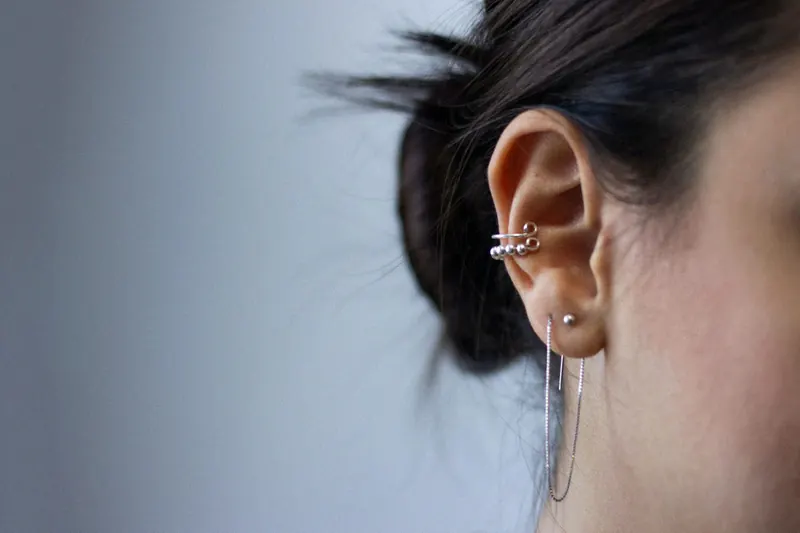
 Silicone ear gauges are softer and lighter than metal or acrylic plugs. We ranked 10 skin-safe options for stretched lobes from 14G up to 1 inch.
 roundup
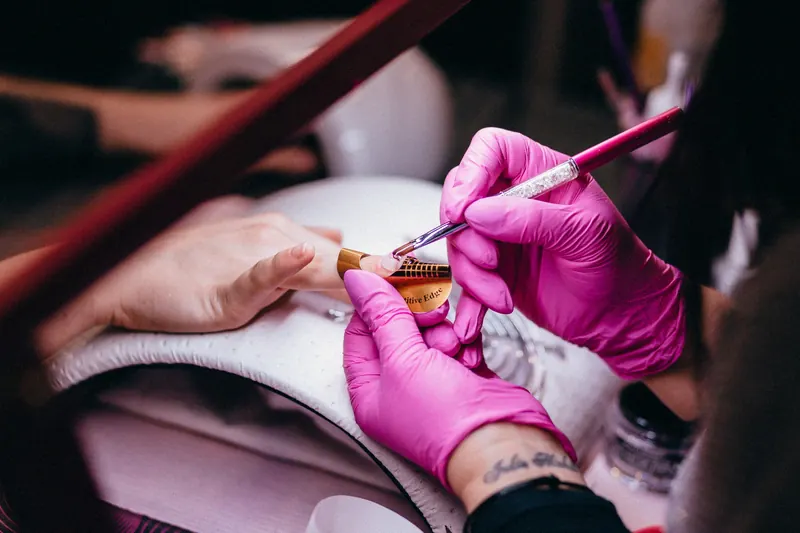
 Silicone nail mats catch polish drips and peel clean in seconds. We reviewed 10 top picks for workspace coverage, grip, and acetone resistance.
 roundup
 Silicone hammer toe correctors realign bent toes and reduce pressure without surgery. We ranked 10 top picks for comfort, fit, and all-day wear.
 roundup
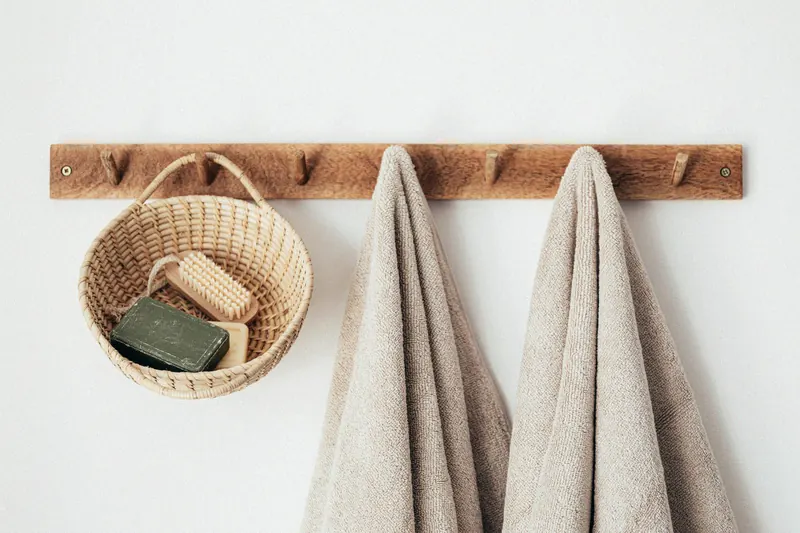
 10 silicone body brushes reviewed for exfoliation, lather, and hygiene. They stay cleaner than loofahs and rinse bacteria-free after every shower.
 roundup
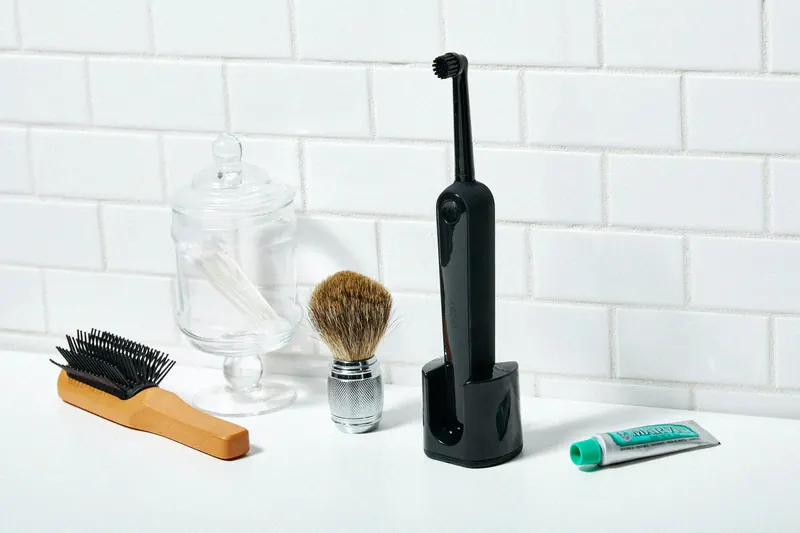
 Silicone shampoo brushes deep-clean your scalp and boost circulation during every wash. We tested 10 top picks for all hair types and sensitivities.