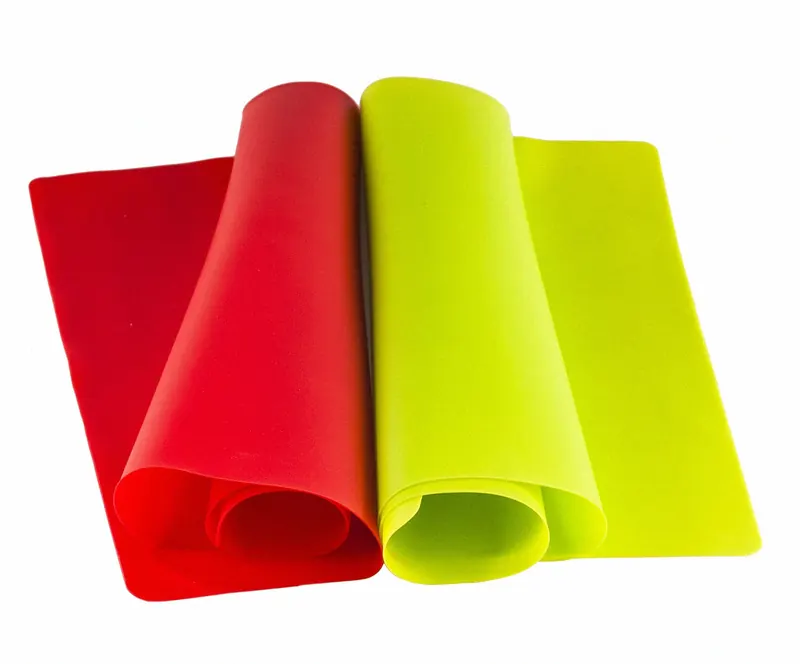
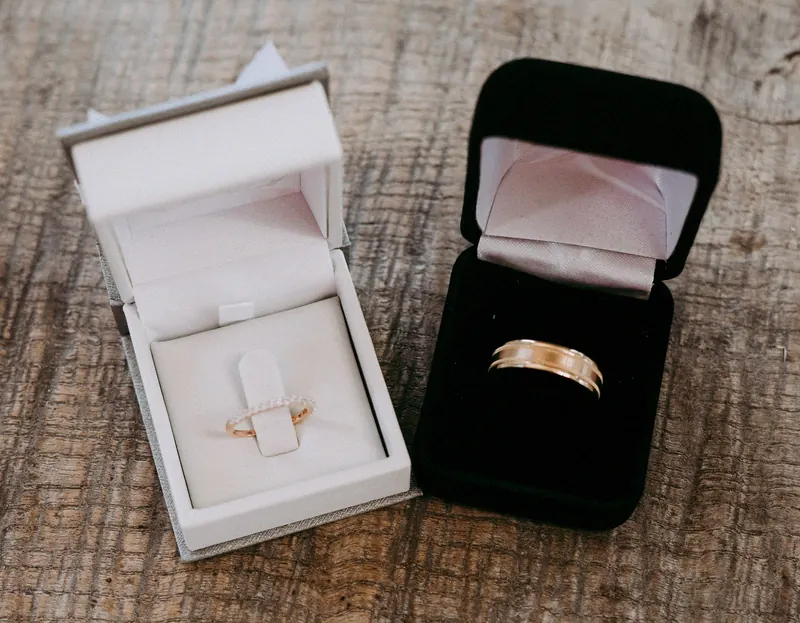
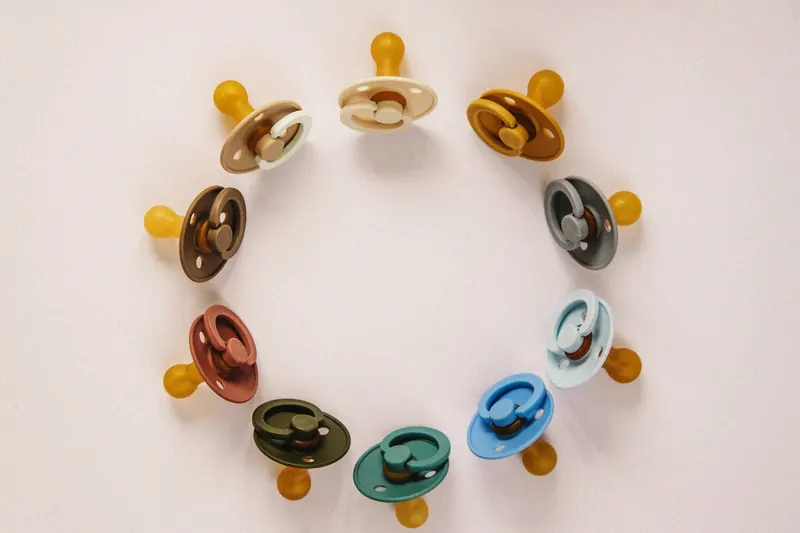
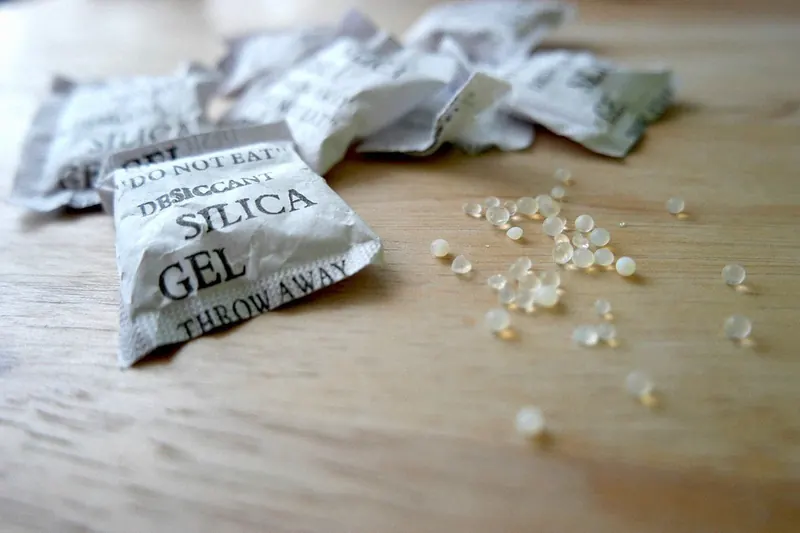
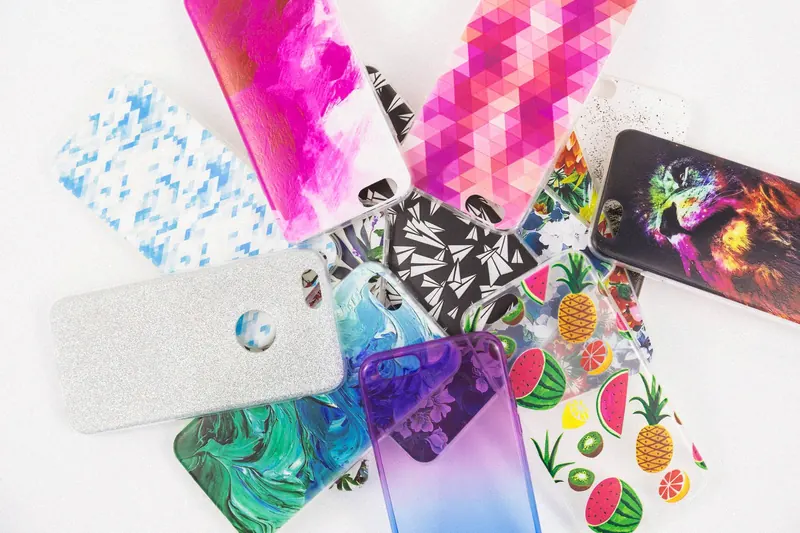
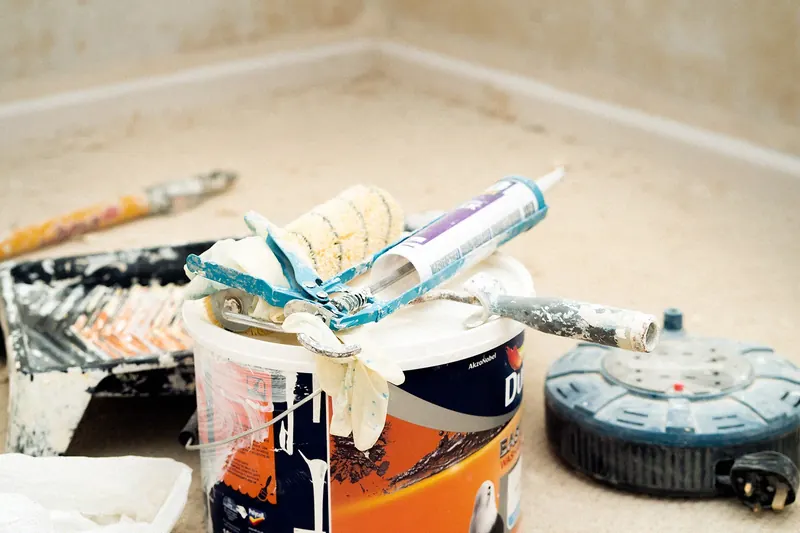
These guides walk through the everyday stuff: how to clean silicone without wrecking it, what the material can and can't handle, why the grades matter, and which DIY projects are actually worth trying. Warm soapy water does most of the work. Baking soda paste handles stains, vinegar soaks pull trapped odors out of the pores, and food-grade silicone sits comfortably between -40°F and 500°F for a good 10 to 20 years if you treat it right.
Pretty much every silicone thing in your house plays by the same rules, whether it's a spatula, a phone case, or your wedding band. You probably don't think about any of that until something goes sideways — a baking mat gets a tomato stain you can't scrub out, a phone case turns yellow and tacky, or a ring stretches out after a year of daily wear.
That's usually the moment people toss the thing when five minutes of cleaning would've saved it. The information is out there, but it's scattered across narrow product pages that never connect back to the basics, so nobody ever learns the basics.
This page pulls the useful bits into one spot. You'll get cleaning steps for the different product types, a plain explanation of why silicone acts the way it does, the safety numbers the FDA actually publishes, and fixes for the handful of weird problems that trip people up.
Once you know how the material works, you buy differently and care for things differently. The guides linked below go deeper on specific topics, but what follows gives you enough to get started.
What Silicone Actually Is and Why It Matters
Silicone's a synthetic polymer made from repeating chains of silicon and oxygen atoms with carbon and hydrogen attached. The base compound is polydimethylsiloxane, usually shortened to PDMS, and it's what gives the material its stretch, heat tolerance, and chemical stability across every product you've ever held.
People confuse silicon and silicone all the time, and the mix-up leads to real confusion when someone's trying to figure out if a product is safe. Silicon (no "e") is the element -- sand, rock, computer chips. Silicone (with the "e") is the engineered polymer that does things no raw natural material can.
Three grades to know. Food-grade silicone meets FDA regulations under CFR Title 21, Section 177.2600 for direct contact with food and drinks at cooking and freezing temperatures. Medical-grade goes through additional biocompatibility testing for surgical implants, prosthetics, and diagnostic tools. Industrial-grade shows up in automotive gaskets, electrical insulation, and aerospace seals -- places where conditions get brutal.
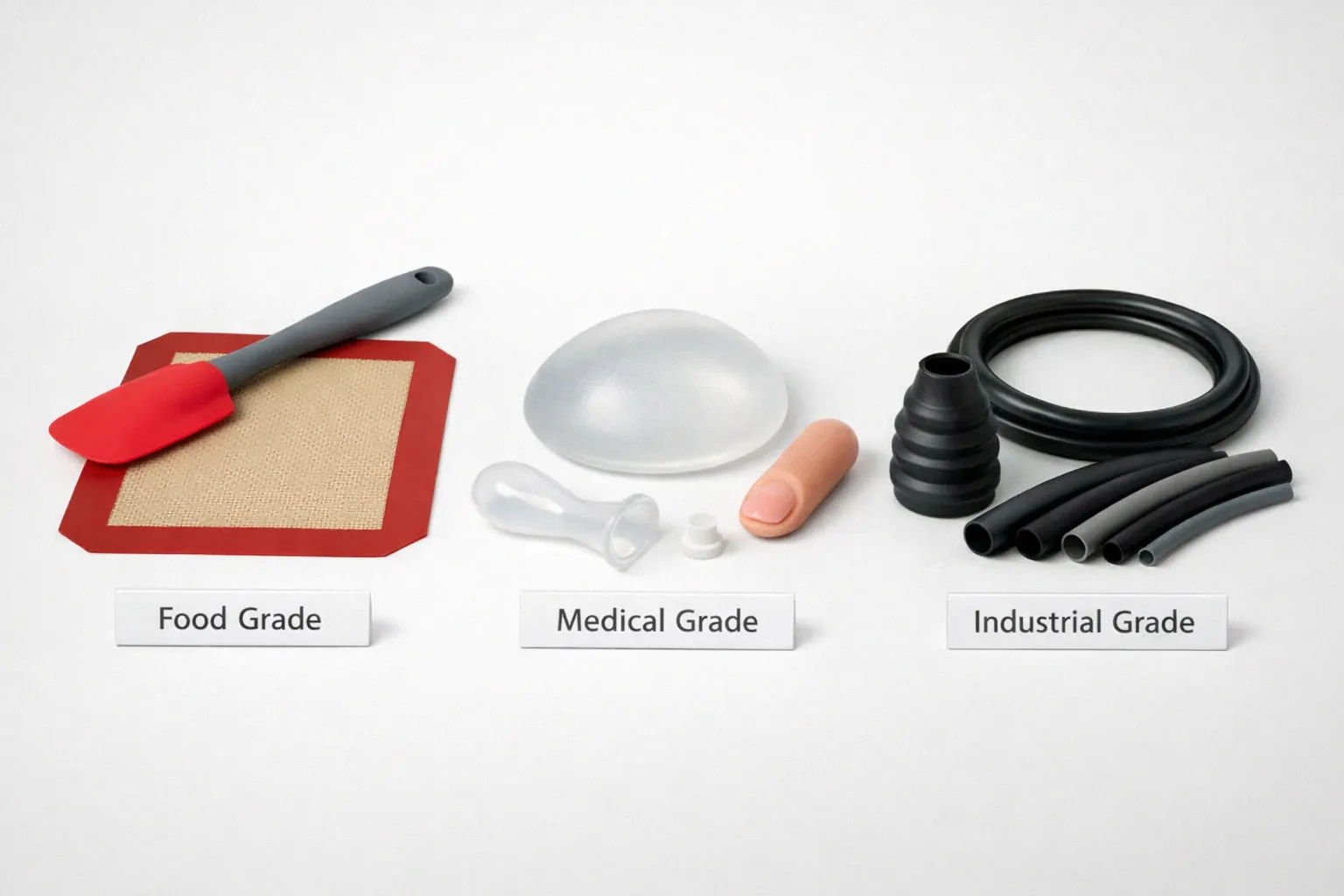
Grade tells you about purity and testing, not how tough the material is. A food-grade spatula and an industrial gasket can both last decades in the jobs they were built for, but only the food-grade version has been tested and cleared to touch what you eat.
Within any grade, platinum-cured sits at the top for purity. The platinum catalyst doesn't leave chemical byproducts behind, so there's nothing to off-gas later. Peroxide-cured silicone costs less and is far more common -- it sometimes smells faintly chemical the first couple of uses before washing out.
That purity difference matters because what's on the label doesn't always match what's inside. Cheap imports sometimes cut the silicone with plastic fillers to save a few cents per unit. Quick way to catch them: pinch or twist the silicone hard. Pure silicone flashes white at the stress point and snaps back. Filler-blended stuff stays the same color.
How to Clean Silicone Products the Right Way
Day-to-day cleaning looks the same for almost any silicone item. Warm water, a few drops of mild dish soap, and a soft sponge or microfiber cloth lift off surface gunk without scratching or wearing down the material.
Problems start when grease, strong pigments, or pungent ingredients sit on silicone for too long. The surface has microscopic pores that open wider when heated, and oils and color compounds slip below where regular soap and water can't reach.
Removing Stains and Discoloration
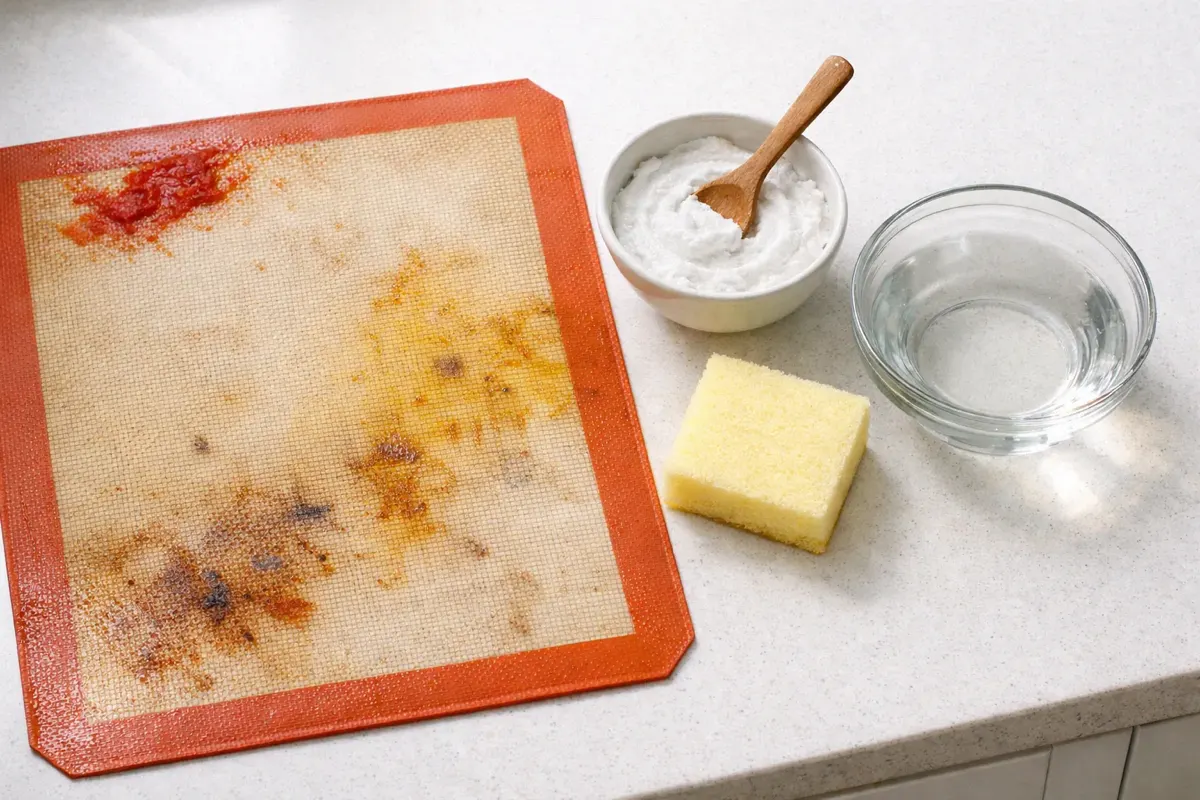
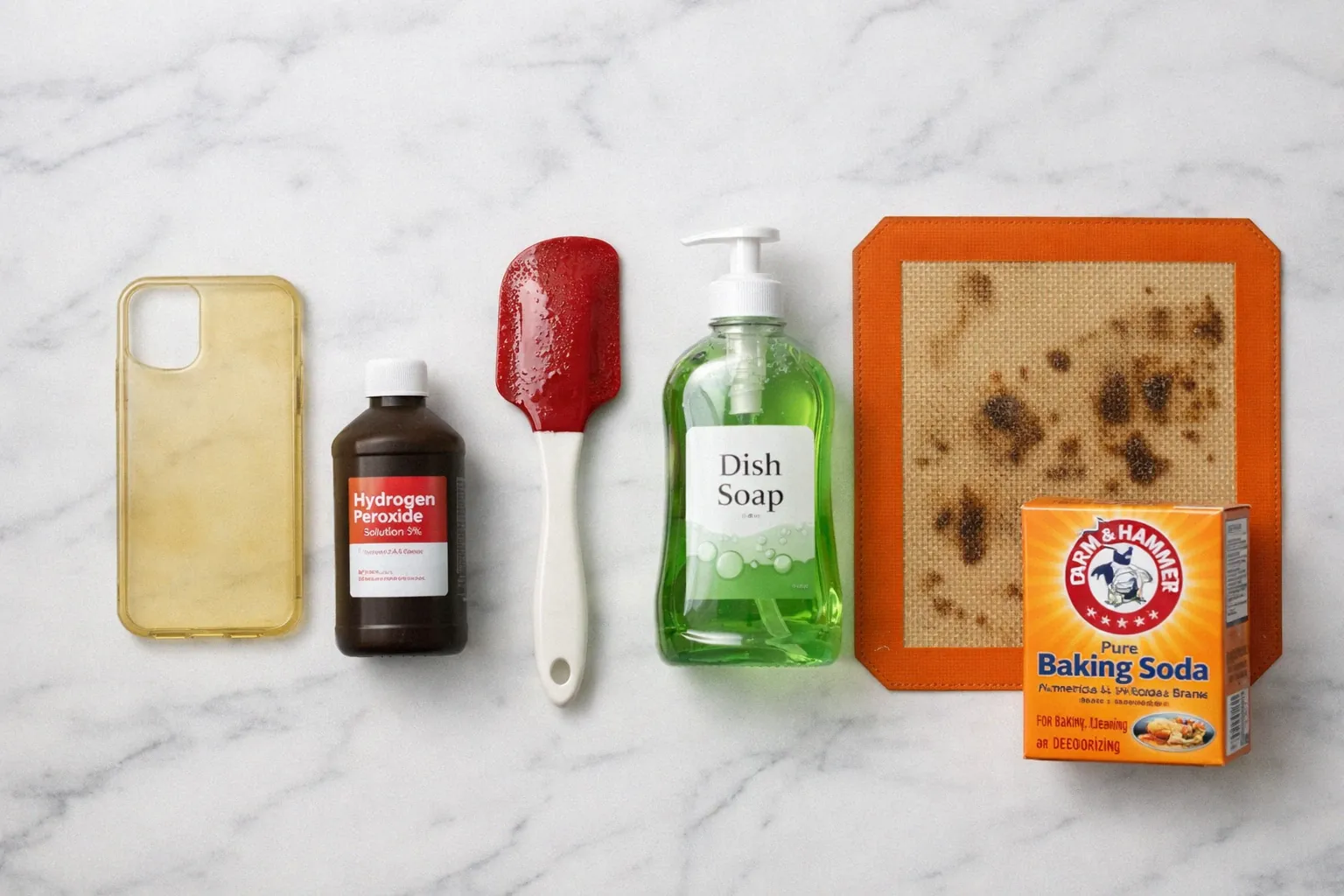
Mix three parts baking soda to one part water until you've got a thick paste. Spread it on the stain, leave it for 30 minutes, then scrub gently with a non-abrasive sponge and rinse.
For the stubborn stuff — tomato sauce, turmeric, berry juice that's had days to set in — leave the paste on for two hours instead. A 3% hydrogen peroxide solution works as a backup on white or light-colored silicone. Dab it on the stain, set the item in direct sunlight for a few hours, and rinse.
Sunlight speeds up the oxidation that pulls pigment out of the surface, which is why it helps. Stay away from bleach, steel wool, and abrasive scrub pads on any silicone product. They chew up the outer layer and open new micro-pores that grab stains even faster next time. Our walkthrough on cleaning silicone baking mats covers the full process with product-specific recommendations.
Getting Rid of Trapped Odors
Silicone absorbs smells from garlic, onion, seafood, and strong spices through the same pore mechanism that causes staining. A four-hour soak in equal parts white vinegar and water clears most trapped scents without hurting the material.
If a smell survives that treatment, bake the item at 250 degrees for 20 to 30 minutes on a foil-lined sheet pan. The heat reopens the pores and drives out the trapped volatile compounds that liquid soaks alone can't budge.
One small change fixes a problem more people run into than you'd think: switch to fragrance-free dish soap. The synthetic fragrance compounds in scented detergents get absorbed by silicone and then released back into your food the next time you cook with it. That weird "soapy taste" people complain about usually isn't leftover soap — it's the fragrance molecules baked into the pores of the material.
Silicone Safety and Temperature Limits
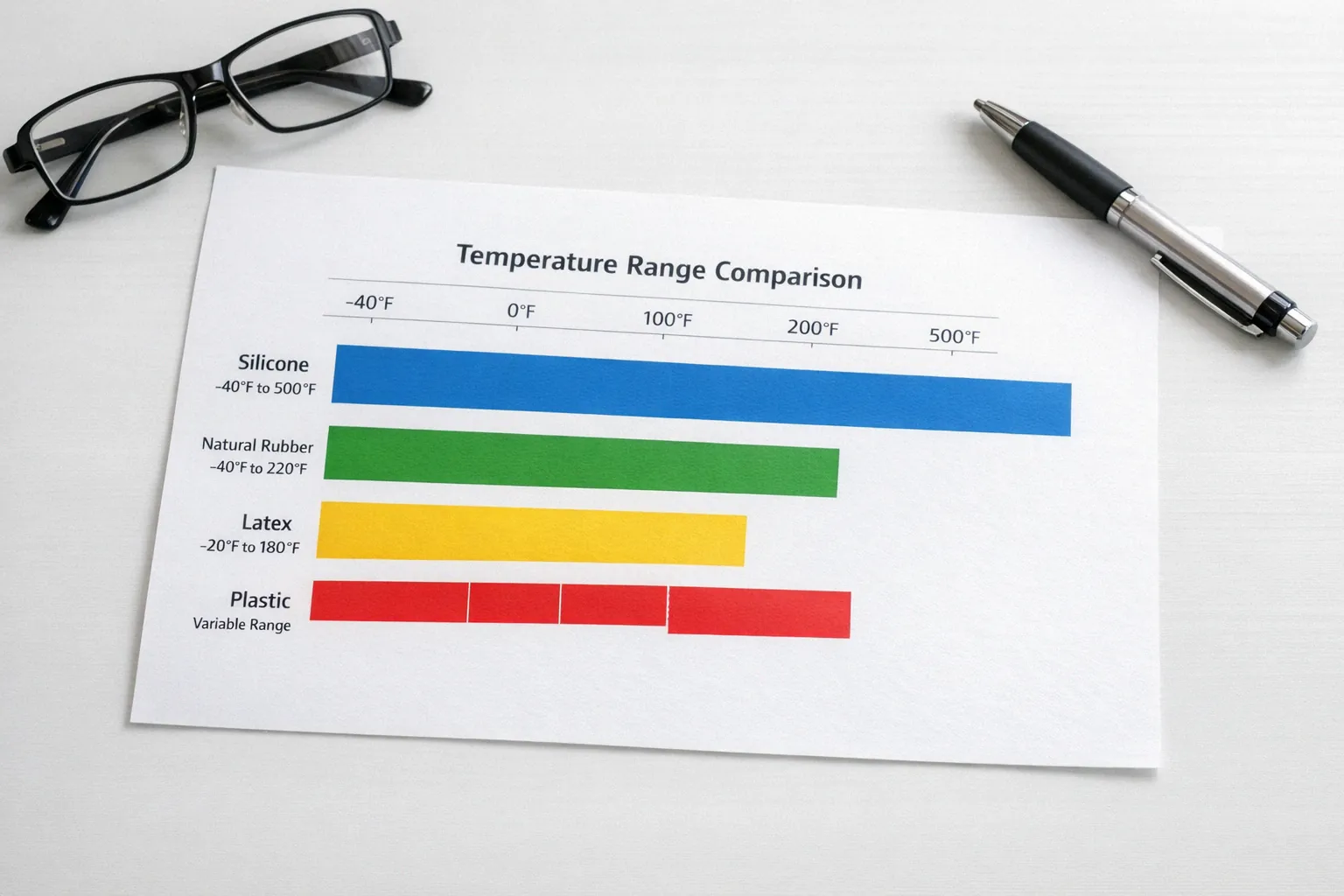
Food-grade silicone is safe from -40 to 500 degrees Fahrenheit (-40 to 260 Celsius). That range covers everything from deep-freeze storage to hot oven baking without the material breaking down or off-gassing anything concerning.
Go past 500 degrees and silicone starts slowly decomposing -- but it never melts into a puddle the way plastic does. It gradually breaks down into silica (inert, non-toxic) and carbon dioxide gas. Our breakdown of whether silicone melts gets into the specific chemistry.
Under normal conditions, silicone is non-flammable. It resists ignition, produces minimal smoke, and self-extinguishes once you remove the flame. That fire resistance is part of why silicone shows up in aerospace and electrical insulation alongside kitchen products.
Every food-grade silicone product sold in the U.S. has to test clean for BPA, lead, latex, and phthalates. The FDA treats food-grade silicone as chemically inert -- it won't react with food, acidic ingredients like tomato sauce or citrus juice, or any cooking liquid within its rated temperature range.
The real risk for shoppers isn't the silicone itself. It's counterfeit or mislabeled products from unregulated manufacturers. Anything cut with plastic fillers loses the chemical inertness that makes pure silicone safe, and those fillers can release unwanted compounds when heated.
Silicone vs. Rubber, Latex, and Plastic
Which material to pick depends on the job, your budget, and how long you need it to last. Silicone wins on durability and heat tolerance, but it doesn't sweep every category.
| Property | Silicone | Natural Rubber | Latex | Plastic |
| Temperature range | -40°F to 500°F | -40°F to 220°F | -20°F to 180°F | Varies widely |
| Allergen risk | None | Low | High (1-6%) | None |
| Chemical resistance | Excellent | Moderate | Low | Varies by type |
| UV/ozone resistance | Excellent | Poor | Poor | Moderate |
| Biodegradable | No | Yes | Yes | No |
| Typical lifespan | 10-20 years | 3-5 years | 1-3 years | 5-10 years |
| Relative cost | High | Medium | Low | Low |
Natural rubber has better tensile strength and stretch -- that's why it still dominates industrial hoses, heavy-duty bands, and tires. It biodegrades, but UV light and ozone eat it alive compared to silicone. Our silicone vs rubber comparison covers the application-specific trade-offs.
Latex comes from the same plant source as natural rubber, but it carries a genuine allergen risk. Roughly 1 to 6 percent of people have some level of latex sensitivity, and reactions run from mild contact dermatitis to full anaphylaxis. Hospitals, food service, and childcare brands have been switching to silicone to avoid the problem entirely.
Plastic is the cheapest option in most categories. The trade-off is that it can't compete with silicone on heat tolerance, chemical inertness, or lifespan. Recent research also confirmed that many common plastics shed microplastics when heated -- which drove a wave of home cooks toward silicone kitchenware in a hurry.
The right choice genuinely depends on the job. Silicone makes sense where heat, chemical contact, longevity, or allergen safety matters. Rubber and plastic still make sense for high-strength mechanical work or situations where biodegradability outweighs lifespan.
DIY Silicone Projects Worth Trying
Liquid silicone rubber has made mold making, casting, and custom fabrication accessible to anyone with a kitchen table and some patience. No special training or expensive equipment needed.
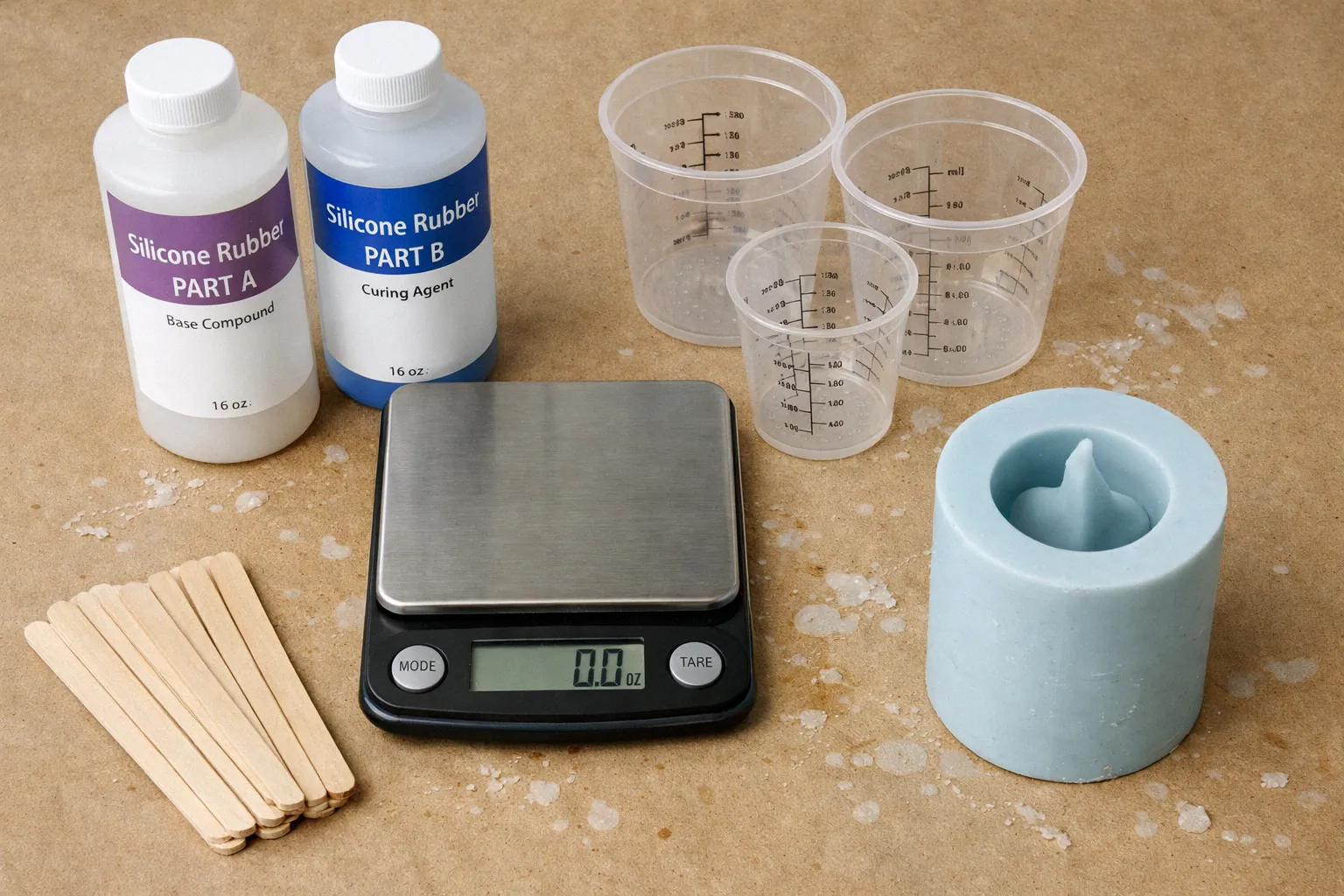
Most people come in through mold making. Two-part silicone kits let you pull flexible, reusable molds off almost anything you already own: candles, bars of soap, resin castings, chocolates, concrete planters, decorative hardware, you name it. Our guide on how to use silicone molds covers mixing ratios, pour techniques, curing times, and clean demolding methods for beginners.
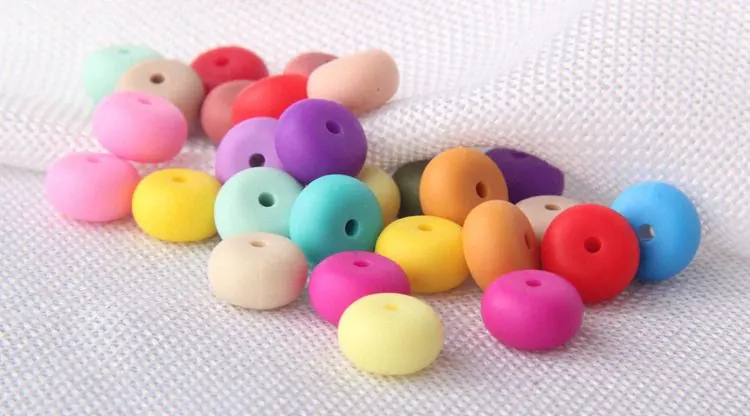
Silicone bead making has grown into a real cottage industry. Food-grade silicone pellets get pressed into custom bead molds to make non-toxic teething accessories, sensory jewelry, lanyard beads, and keychain charms. They do well on handmade marketplaces because they're dishwasher-safe, hypoallergenic, and you can get them in any color you can dream up.
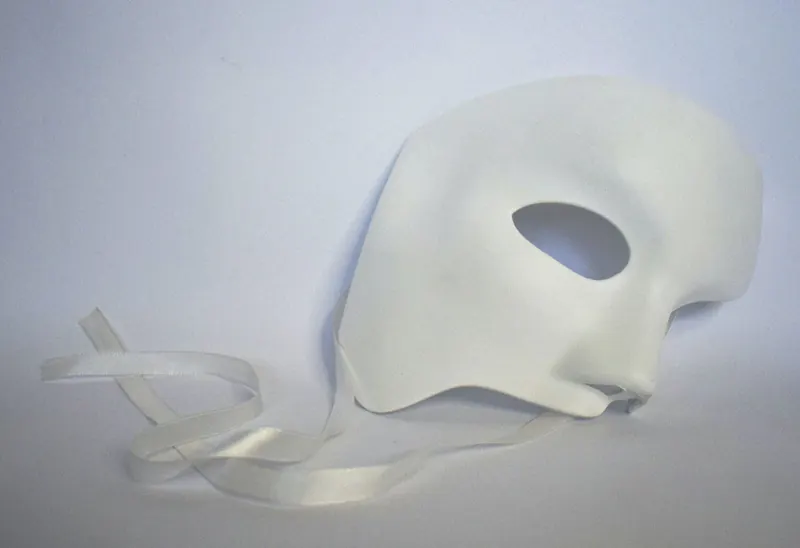
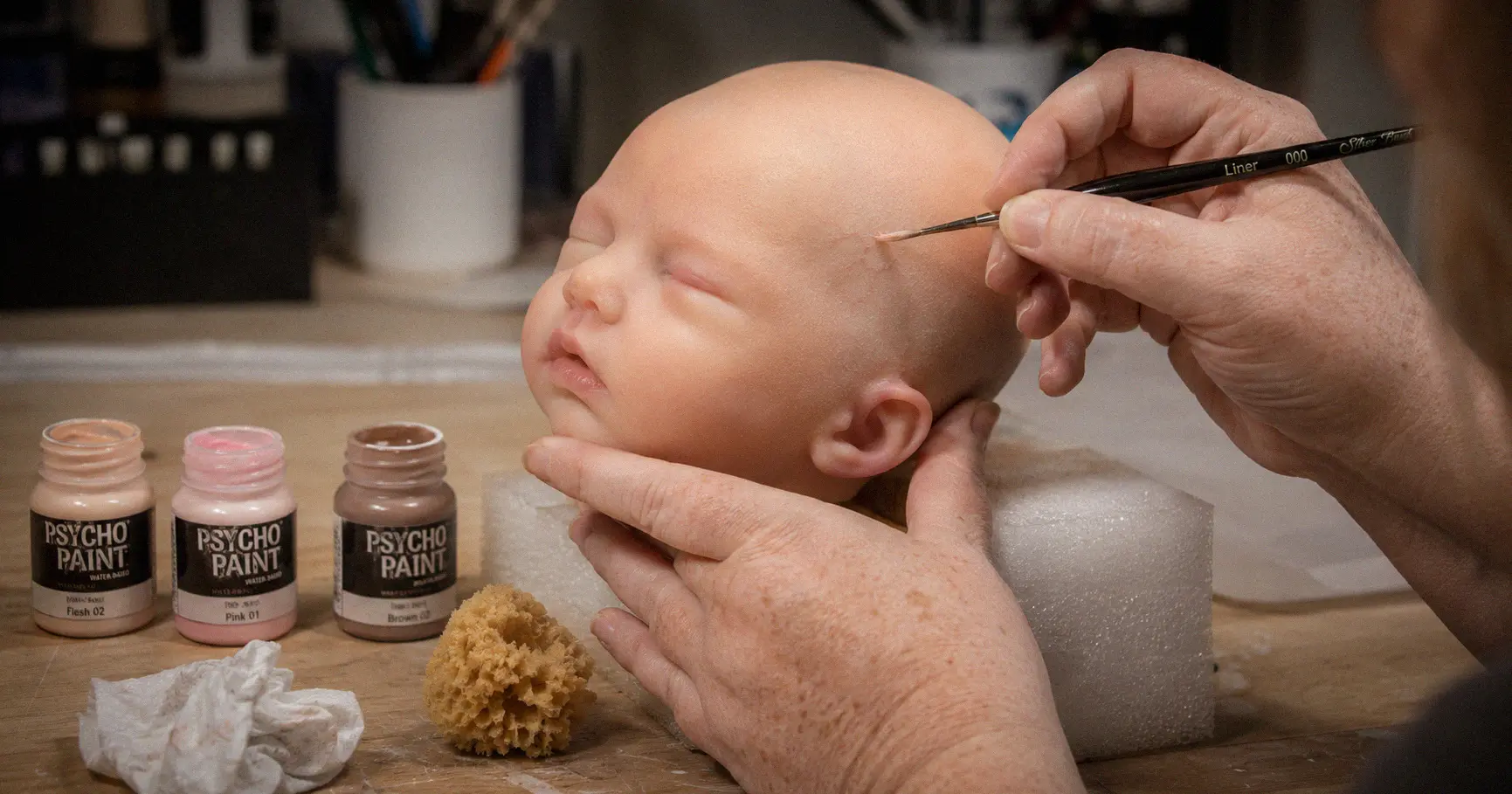
Prosthetic and costume work sits at the top of the DIY silicone ladder. Platinum-cure silicone picks up skin-level texture, takes pigment beautifully, and flexes the way real tissue does. Artists and theatrical folks use it to build hyper-realistic masks, wound prosthetics, and custom special effects pieces.
If you're getting started, here's what you actually need: a digital scale (mixing ratios are by weight, not volume), disposable mixing cups, wooden stir sticks, a mold release agent, and a reasonably well-ventilated workspace. Tin-cure silicone handles most hobby projects for less money. Platinum-cure costs more but gives you sharper detail, longer mold life, and no shrinkage, which is worth it for production molds or anything that'll touch food or skin.
How Long Silicone Products Last
A decent silicone product gives you 10 to 20 years of normal household use. That comfortably beats natural rubber (3 to 5 years), latex (1 to 3 years), and most plastics, which go brittle, crack, or yellow permanently somewhere between years 5 and 10.
Where you fall in that 10-to-20 range depends on three things. Material grade matters most -- platinum-cured outlasts peroxide-cured by several years at the same usage. How close you push it to the 500-degree ceiling also counts, since products regularly used near their limit wear out faster than those kept under 400 degrees. And your cleaning habits play in -- abrasive pads and harsh chemicals speed up surface wear noticeably.
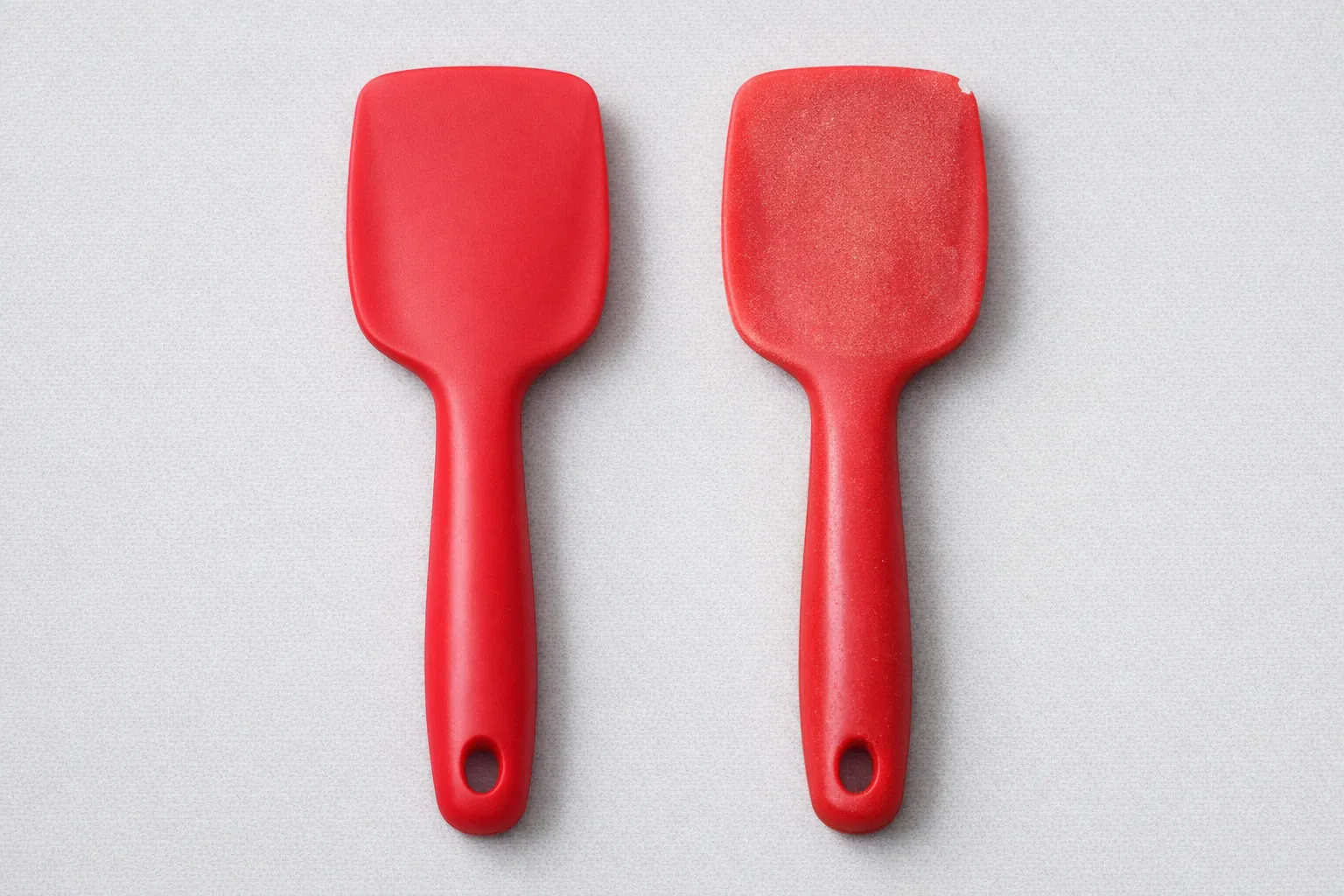
There are four signs a silicone product is done: a sticky, tacky surface that cleaning won't fix, visible cracks or tears at stress points, loss of bounce-back so it no longer returns to its original shape, and a baked-in smell that survives both heat treatment and a vinegar soak.
Silicone rings are their own special case because they take constant wear, sweat, hand-washing chemicals, and physical stress all day long. Our guide on how long silicone rings last provides realistic expectations based on ring thickness, activity level, and brand quality.
Storage makes a real difference no matter what you paid for the item. Keep things flat or in their original shape, and don't leave them folded or compressed for long stretches. Keep them away from sharp edges that can nick the surface, and don't let them sit in contact with petroleum-based stuff like motor oil or petroleum jelly, which causes swelling you can't undo.
Common Silicone Problems and How to Fix Them
Most silicone problems have simple fixes that don't mean tossing the product. Figure out the root cause and you won't be dealing with the same issue a week later.
Sticky or Tacky Surface
Grease buildup is the usual culprit. Boil the item in water with a tablespoon of baking soda for five minutes, wash with dish soap, and dry it completely.
If the stickiness comes right back after cleaning, you're probably dealing with plastic fillers rather than pure silicone. Filler-blended products degrade in ways pure silicone doesn't, and replacement is the only real fix.
Yellowing and Discoloration
Extended UV exposure and repeated contact with strongly pigmented foods cause white and clear silicone to yellow gradually. Soaking in hydrogen peroxide and then setting the item in direct sunlight for a few hours reverses mild to moderate cases.
Severe yellowing in older products is purely cosmetic. It does not affect food safety, structural integrity, or heat tolerance — the product still performs identically to its original state.
Odor That Won't Go Away
Trapped cooking oils create smells that survive dishwasher cycles and regular hand washing. For stubborn garlic, onion, or fish odors, combine the baking method (250 degrees for 20 to 30 minutes) with an overnight vinegar soak.
You might need two or three rounds for silicone that absorbed strong scents over months of use. If the odor won't quit after repeated treatment, the material has probably reached the end of its useful life.
Shrinking or Loose Fit
Despite what you might read online, silicone doesn't shrink from heat. What looks like size change is actually the result of stretching the material beyond its elastic recovery threshold over time.
Once silicone stretches past its designed memory limit, it won't bounce back. There's no home fix for permanently stretched silicone -- you just have to replace it.
Silicone Caulk That Won't Cure
Standard silicone caulk needs moisture in the air to cure. Low indoor humidity, room temperatures below 40 degrees, or a bead that's too thick can all stall or delay curing past the typical 24-to-48-hour window.
To get things moving: improve air circulation, bring the room above 60 degrees, and keep your bead thickness within the manufacturer's recommendation.
Frequently Asked Questions
Is silicone safe to use in the microwave?
Yes. Food-grade silicone is fully microwave-safe -- it doesn't absorb or emit radiation during heating. The container stays cool while the food inside gets hot, which makes silicone containers genuinely practical for daily reheating and defrosting.
Can silicone products go in the freezer?
Absolutely. Food-grade silicone stays flexible down to -40 degrees without cracking or going brittle. It works great for ice molds, frozen food storage, and portioning out make-ahead meals.
Is silicone environmentally friendly?
It's complicated. Silicone isn't biodegradable and can't go in curbside recycling. But its 10-to-20-year lifespan means it generates far less total waste than single-use plastic alternatives that get replaced over and over.
Does silicone leach chemicals into food?
Certified food-grade silicone is chemically inert and doesn't leach harmful compounds anywhere within its rated temperature range. FDA compliance testing and third-party lab certification verify that for products meeting food-contact manufacturing standards.
Is silicone vegan?
Yes. It's entirely synthetic with no animal-derived ingredients at any stage of production. The raw material is silica -- a mineral from sand and quartz -- so it meets vegan and cruelty-free standards.



 how to