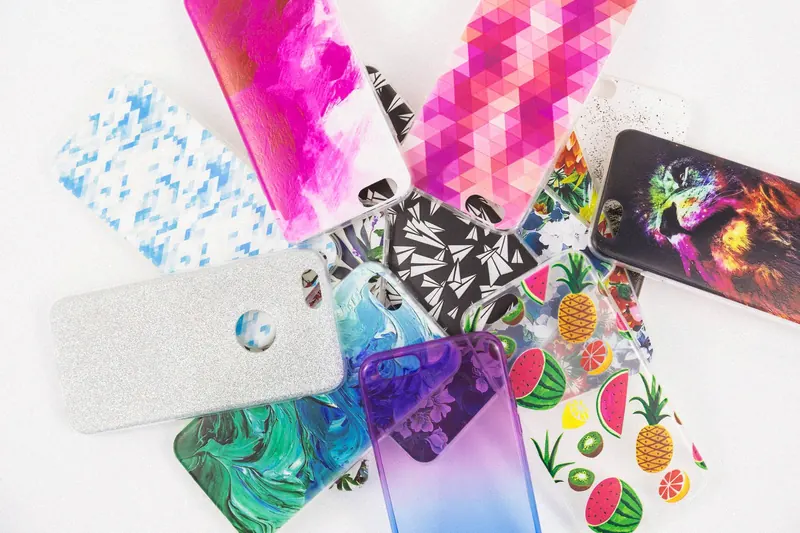
Silicone phone cases pick up skin oil, lint, and grime faster than hard plastic ones. After a few weeks, the corners go gray and a clear case starts turning yellow.
Most of that mess comes off with warm water, dish soap, and a soft toothbrush. For deeper stains, a baking soda paste or a short diluted bleach soak (one tablespoon per cup of water, 15 minutes max) can bring back the original look.
Not every cleaner is safe, though. Acetone and undiluted bleach will cloud the silicone permanently.
This guide covers three cleaning methods, from a quick weekly wipe to a full yellowing rescue, plus what to avoid so you don’t ruin the case in the process.
How To Clean A Silicone Phone Case For A Brand New Look
There are three methods to clean your phone case, depending on the need and time frame, and in this article, we will go through them and demonstrate the process.
Everyday Problems With the Phone Case
Removing Regular Dirt From The Phone
Regular dirt that can be attached to phone cases includes dust, mud, powder, flour.
Any dirt that can be attached to your clothing can be attached to phone cases.
Getting Rid of Stubborn Stains
Stubborn stains such as greasy and oily stains are hard to remove and thus need more tough detergents to get off the stains.
You will several items to get rid of the stubborn stains
Such as bowl, hand, and face protective gloves, toothbrush, water, baking soda, and soft dry cloth.
Disinfect It Weekly To Kill Germs
Everywhere you go, the phone is a major accompaniment.
Now and then, you wash your hands, but you don’t realize the germs remaining on the phone that you pick soon after washing your hands.
To successfully disinfect the silicone phone, you will need several items.
Such as 70% alcohol-based solution (Isopropyl alcohol), water, toothbrush, linen material.
Purchasing a new phone takes work out in the marketplace to get an appealing and durable case.
Silicone phone cases are durable, flexible, and in most cases vegan-friendly compared to leather, which could be why you opted for the same from various brands in the market.
Properties Of Silicone Cases
- Heat resistance
- Resistance against harsh weather conditions
Your phone case becomes dull with time, you must confirm with me you had, or you have met people with such phone cases.
How Often Should You Clean a Silicone Phone Case?
A light wipe once a week plus a proper wash once a month is the sweet spot for most people. The weekly wipe handles fingerprints and the thin layer of skin oil that builds up daily.
The monthly wash lifts the deeper grime out of the camera cutout and along the edges where lint piles up.
Push that schedule tighter if you work a dusty job, eat while using your phone, or carry it in a bag full of loose receipts and crumbs. Stretch it out if the case mostly lives in your pocket.
The real goal is staying ahead of the grime instead of letting it harden and stain the silicone. For routine cleaning, warm soapy water is all you need.
Stay away from anything corrosive.
Method 1 - Dirt Removal
We hope this method will help you and show you how to clean a silicone phone case.
Requirements
- Water
- Washing soap
- Toothbrush
- Soft dry cloth
- Bowl
Step 1: Remove The Case From The Phone
Peel one corner back with your thumb and walk the gap along the long edge until the whole case slides off. Never try to clean a case with the phone still inside.
A tiny gap along the edge is enough for water to reach the charging port or speaker grille, and that’s a repair bill nobody wants over a 30-second shortcut.
Humid climate? Plan on overnight air-drying after cleaning rather than slapping a damp case back on the phone.
A damp case trapped against a phone back is the fastest way to grow that funky smell everyone complains about.
Step 2: Make a Warm Soapy Soak
Fill a bowl with warm water and add a small squirt of dish soap. Warm water dissolves grease faster than cold, and the soap cuts through the oily film silicone loves to hold onto.
Drop the case in and let it sit for 10 minutes. If it floats, weigh it down with a coffee mug or a small jar.
Step 3: Scrub With A Soft Toothbrush
An old toothbrush is the best tool here, hands down. Work from the inside of the case outward and pay special attention to the camera cutout, button recesses, and the four corners, that’s where lint compacts into hard little plugs.
It’s also where most people quit too early, so keep going another 30 seconds once you think you’re done.
One thing to watch: don’t scrub hard on any printed or textured area of a colored case. Enough friction will lift the dyes and leave a pale spot you can’t fix.
Step 4: Rinse And Dry Completely
Rinse under cool running water until every bubble is gone. Leftover soap attracts dust once the case dries.
Shake off the excess, pat with a clean lint-free cloth, and leave the case to air dry for at least an hour before you put it back on. Overnight is better in humid climates.
Skip the hair dryer even though it feels faster, warm air can soften silicone just enough to throw off the fit.
Method 2 - Stubborn Stains Removal
Baking powder solution is best for removing stubborn stains from the silicone phone case.
Baking soda contains hydrogen peroxide that breaks compounds providing colors to these stains.
Some of the stains baking soda can effectively remove from silicon phone cases include:
Greasy And Oily Stains
Silicone doesn’t absorb any oils. Thus, the oil stains settle on the silicone case’s surface.
This becomes easy to get rid of oil stains using baking soda.
Tea Stains
This stain may be sticky and thus may be required to use more strong detergents to get off it.
Ink Stains
The use of isopropyl alcohol, which is mostly 70%, is ideal for removing ink stains.
Pour the alcohol on ink-stained parts to lift and dissolve as much as possible first.
Avoid pouring baking soda on unstained parts as much as possible.
Rub gently to avoid damage to the case.
Tomato Sauce Stains
When a silicon phone case picks stains from tomato sauce, using soapy water with scrubbing won’t eliminate them.
Requirements
- Water
- Baking soda
- Toothbrush
- Soft dry cloth
Step 1: Remove The Silicone Case From The Smartphone
The silicone phone case’s elasticity allows it to be easily removable by stretching a corner of the case.
Then simultaneously along the phone’s edge until the case is free to detach from the phone without any further difficulty.
Every time you’re cleaning a phone case with a liquid, it is advisable to remove it and not to be damaged.
If the phone case is made of removable layers, separate the inner and outer hand parts for easy and effective cleaning.
Step 2: Wet The Surface Of The Silicone Phone Case
This makes the silicone phone case wet for an easy and effective baking soda reaction.
Step 3: Put On Protective Gloves
Generally, baking soda is not harmful, but on sensitivity, in some people, it causes irritation and inflammation.
It can also have side effects such as over-drying of the skin.
It is advisable to use gloves to avoid any negative impact on your skin.
Step 4: Apply Baking Soda To The Stained Parts
Concentrate on the stained parts rather than covering the whole phone case surface.
Allow the baking soda to rest for around a few 30 minutes.
This ensures the maximum effect of the baking soda on the stained parts for effective satisfactory results.
Step 5: Scrub The Stain Using A Toothbrush
Consider scrubbing gently to avoid causing any damage to the case.
Scrub continuously, focusing on stain patches until the stain comes out.
Step 6: Rinse With Cold Water Thoroughly To Clean The Baking Soda
It is advisable to rinse the phone under running clean water and use a toothbrush to ensure no baking soda is left on the case.
Rinse repeatedly to ensure maximum baking soda residue-free phone case.
Don’t allow the baking soda residue to sit long before rinsing.
Step 7: Dry The Phone Case With A Dry Soft Piece Of Cloth
Dry the case using linen cloth and allow the case to rest in dry air for at least an hour.
This prevents certain damages to the phone that can be caused by a wet phone case.
Step 8: Put The Case Back On The Phone
After the case is completely dry, insert it back on the phone.
Consider using a small amount of baking soda, as too much can cause permanent damage to the silicone case.
It may be hard to remove these tough stains because they take a bit of time and energy.
However, continuously scrubbing will yield the intended result.
Method 3 - Regular Disinfection
Requirements
- Water
- 70% alcohol solution (Isopropyl alcohol)
- Toothbrush
- Soft dry cloth
It is important to regularly disinfect your phone at least once a week to kill germs that could cause infectious diseases.
It is worthwhile noting that your phone goes from your purse, pocket, and surfaces to your face.
How often do you wash your hands?
How often have you considered cleaning or disinfecting your phone case?
Have you washed your hands and picked the phone with clean hands again?
Step 1: Take Off The Phone Case
It’s advisable to carefully pull from your phone while stretching a corner and then along the edges.
This ensures that the disinfectant doesn’t get inside your phone and damage it.
In case the phone case has multiple parts, separate them by pulling the inner case from the hard part of the case to ensure even disinfection.
Step 2: Soak A Soft Cloth In The Alcohol-Based Liquid
The alcohol-based solvent is effective as a disinfectant should contain 70% (percent) alcohol or higher.
A spray bottle is even easier to use if you have difficulty getting a soft cloth.
It allows spraying of the phone case.
Add washing soap to a warm water bowl to ensure the soap dissolves well and stir continuously to ensure the mixture is foamy.
Step 3: Wipe It With A Dry Soft Cloth
Ensure you get rid of as much rubbing alcohol as possible for the case to be satisfactory dry before inserting it on the phone again.
Step 4: Let The Silicone Phone Case To Dry
Place the case where it can dry on air for at least one hour.
Step 5: Insert The Phone Case Back
Insert the phone onto the case gently to avoid any damage to the phone.
Please get in the habit of disinfecting your phone at least once a week or even on a manageable regular basis.
So it stays clean and free from bacteria causing germs.
Cleaning White Silicone Phone Cases
With so many colors in the market to choose from, choosing a silicone case for your phone is difficult.
Due to some colors are more suitable to stain and dirt very fast.
White phone cases look appealing and clean in the meantime after purchase, but it can be problematic for cleaning.
White phone cases start yellowing and become dull after some time.
Silicon starts yellowing as they get old, but the discoloration is earlier observed due to high heat, light, and some chemicals, though silicone itself does not melt easily under normal conditions.
Requirements
- Bowl
- Water
- Bleach solution
Step 1: Remove The Silicone Phone Case
The silicone case is elastic. Therefore, it is easy to stretch the case’s corner and then along the edges.
Every time you’re cleaning a phone case with a liquid, it is advisable to remove it without being damaged.
If the phone case is made of removable layers, separate the inner and outer hand parts for easy and effective cleaning.
Step 2: Put protection On The Eye, Mouth, And Hands
Bleach can cause damage to the eyes in case it splashes during mixing and application.
Bleach solutions have a burning sensation on the skin and some allergic reactions to bleach.
Step 3: Add Bleach Ingredients In A Bowl With Water
One tablespoon of bleach and water should give results.
Mix bleach in an airtight container.
Step 4: Put The Yellowing Silicone Case Into The Bowl
Put the silicone phone case into the bleach solution bowl and allow it to rest for some minutes for effective results.
Step 5: Scrub It Over Using A Toothbrush
Consider scrubbing gently to avoid causing any damage to the case.
Scrub continuously, focusing on stain patches until the stain comes out.
Step 6: Rinse with Cold Water To Clean The Bleach
It is advisable to rinse the phone under running clean water and use a toothbrush to ensure no baking soda is left on the phone case.
Rinse repeatedly to ensure maximum baking soda residue-free phone case.
Don’t allow the baking soda residue to sit long before rinsing.
Step 7: Dry The Phone Case With A Dry Soft Cloth
Dry the case using a linen cloth and allow the case to rest in dry air for at least an hour.
This ensures that no water is left on the phone case before attaching the phone back into the case.
Step 8: Put It Back On The Phone
After the case is completely dry, insert it back on the phone.
Consider using a small amount of baking soda, as too much can cause permanent damage to the silicone case.
It may be hard to remove these tough stains because they take a bit of time and energy.
Continuously scrubbing will yield the intended result.
To conclude, to ensure that your silicone phone case is back to a brand new state, make sure you regularly perform the methods outlined above.
In the present world, there is a likelihood that most bacteria causing germs are from phones.
It has been said a phone may be dirty than a toilet sitting basin.
Why Bother Cleaning Your Silicone Case
A clean case extends the life of both the case and the phone inside it. Dust and lint packed into the camera cutout can scratch a lens over months of use.
Grime building up in the button recesses starts interfering with how the physical buttons click. And a case that’s gone too long between washes picks up a faintly sour smell no amount of perfume can hide once it’s set into the silicone.
Studies have measured bacterial loads on everyday phones that rival toilet seats. That sounds like a scare tactic, but it’s really just a reminder that your phone goes everywhere you do.
A weekly alcohol wipe takes 30 seconds and genuinely moves the needle on hygiene.
Protecting Against Damage
Cases degrade faster when dirt gets ground into the silicone, much like silicone baking mats that lose their non-stick feel when grease is left to build up. Each tiny grain of embedded grit works like sandpaper every time the case flexes.
Keeping the case clean extends how long it can do its actual job of absorbing drops.
Saves On Money
A ten-minute wash once a month is dramatically cheaper than replacing a case every quarter, which is roughly how fast a never-cleaned case degrades into unusable grime.
Keeps The Phone Working Right
Dust and pocket lint migrate straight into the earpiece, microphone, and speaker grille when the case is dirty. Over time that buildup muffles call audio and makes the phone sound like it is talking through a pillow.
What To Avoid When Cleaning
Not every household cleaner is safe on silicone. Here is the short list of things to keep away from your case.
Precautions In Cleaning A Silicone Phone Case
Skip Anything Harsh
Stay away from acetone, paint thinner, nail polish remover, and undiluted bleach. All four can cloud the surface of the silicone or dissolve the dyes in a colored case, leaving damage you cannot undo.
Stick to dish soap, baking soda, and diluted isopropyl alcohol for 99 percent of cleaning jobs.
Never Clean With The Phone Still Inside
Even a snug-fitting case has small gaps along the edges where water can reach the phone. A single drop in the charging port can short out the pins, which is an expensive mistake to make to save 30 seconds.
Use A Soft Toothbrush, Not A Stiff One
A regular soft-bristle toothbrush is perfect. A stiff scrub brush can leave scratch marks on clear cases, which get more visible as the case ages.
Let It Fully Air Dry
A case that looks dry on the outside can still hold water along the phone-side ridges and button cutouts. Leave it face-down on a paper towel for at least an hour, overnight if possible.
Wear Gloves For The Bleach Method
If you are doing the bleach soak for a yellowed clear case, wear disposable gloves. Diluted bleach will not ruin your hands in one use, but it dries the skin out fast, and nobody wants bleach drips on a favorite shirt.
Rinse Until The Bubbles Are Gone
Residual soap attracts dust once the case dries, so keep rinsing under running water until you can feel the surface squeak against your finger. That squeak is the sign the case is actually clean.
Frequently Asked Questions
Why does my clear silicone phone case turn yellow?
Clear silicone cases yellow over time from a combination of UV light, body oils, and exposure to cosmetics, sunscreens, and hand sanitizers. The yellowing is a chemical change in the silicone itself, not dirt, which is why soap alone does not fix it.
Can I put my silicone phone case in the dishwasher?
Skip the dishwasher for silicone phone cases because the heated dry cycle can warp the case and the harsh detergent can accelerate yellowing in clear models. A 10-minute soak in warm water with a drop of dish soap plus a scrub with a soft toothbrush cleans the case just as well without the risk of heat damage.
Does rubbing alcohol damage silicone phone cases?
Occasional wipes with 70% isopropyl alcohol are fine for disinfecting a silicone phone case, but frequent daily alcohol exposure can dry the silicone and make it lose its grippy feel over time. For routine cleaning, warm water and dish soap are gentler on the material and do the job just as well for everyday grime.
How do I remove ink or pen marks from a silicone case?
Ink and pen marks come off silicone with a dab of rubbing alcohol on a cotton swab, worked gently over the stain until it lifts. For stubborn marks that won’t budge with alcohol alone, a magic eraser sponge used lightly can remove the remaining discoloration, but go easy since heavy scrubbing can dull the case finish.
How often should I clean my silicone phone case?
A quick wipe every week plus a full soapy wash once a month keeps most silicone cases looking and feeling new. If you work in a dusty environment, apply hand lotion frequently, or use the phone with food on your hands, bump the full wash up to once every two weeks to prevent buildup from setting in.
Final Thoughts
For most silicone cases, warm water with a drop of dish soap and a soft toothbrush handle a monthly deep clean. Soak ten minutes, scrub the camera cutout and edges where dirt collects, rinse, and pat dry, which covers 90 percent of what makes a case look grimy.
If a clear case has yellowed, switch to a baking soda paste worked into the discolored areas with a soft cloth before rinsing. For serious yellowing, a diluted bleach soak (one tablespoon per cup of water, max 15 minutes) lifts light discoloration but will not save a sun-baked case.
Stay away from acetone, paint thinner, and undiluted bleach because all three can cloud, dent, or dissolve the silicone surface. Skip the dishwasher too, since drying-cycle heat warps the case enough to throw off its phone fit.
Once a clear case has yellowed permanently or a colored case has lost its grippy feel, a fifteen-dollar replacement beats spending an hour rescuing a case that has already given up. Silicone cases are consumables, not heirlooms.